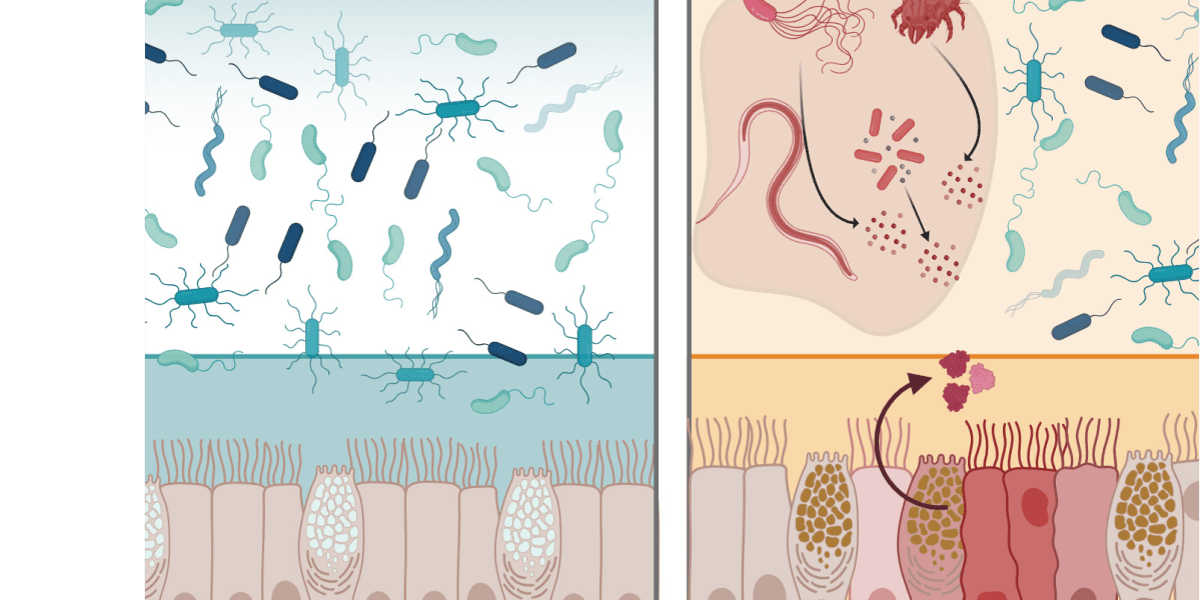
A Natural Protein May Protect the GI Tract From Infection
Why It Matters
By leveraging a native immune protein, the discovery offers a promising non‑antibiotic strategy to combat gut infections and strengthen barrier function, addressing two major clinical challenges: IBD management and rising antimicrobial resistance.
Key Takeaways
- •Intelectin‑2 binds galactose on bacterial membranes, trapping microbes.
- •Protein stabilizes mucus layer, reinforcing intestinal barrier.
- •Neutralizes antibiotic‑resistant pathogens like Staphylococcus aureus and Klebsiella pneumoniae.
- •Potential therapeutic for inflammatory bowel disease and antimicrobial resistance.
- •Researchers aim to develop lectin‑based drugs leveraging innate immunity.
Pulse Analysis
Lectins are sugar‑binding proteins that patrol mucosal surfaces, and the recent MIT study shines a spotlight on intelectin‑2, a human lectin with a unique two‑pronged defense. By recognizing galactose residues on bacterial outer membranes, intelectin‑2 physically immobilizes microbes, disrupting their membranes and leading to cell death. Simultaneously, its affinity for galactose in mucins bolsters the mucus gel that lines the gut, creating a more resilient barrier against invasion. This dual mechanism distinguishes it from conventional antibiotics, which target bacterial processes but do not reinforce host defenses.
The therapeutic implications are significant. Antibiotic‑resistant strains such as Staphylococcus aureus and Klebsiella pneumoniae are increasingly difficult to eradicate, contributing to higher morbidity and healthcare costs. Intelectin‑2’s ability to neutralize these pathogens without relying on traditional drug pathways offers a fresh avenue for antimicrobial development. Moreover, patients with inflammatory bowel disease often exhibit dysregulated mucus layers; augmenting intelectin‑2 levels could restore barrier integrity while selectively targeting harmful bacteria, potentially reducing flare‑ups and dependence on broad‑spectrum antibiotics.
Translating this discovery into a marketable treatment will require overcoming formulation and delivery challenges, as proteins must survive the harsh GI environment. Nonetheless, biotech firms are already exploring biologic‑based gut therapeutics, and a lectin‑derived drug could command premium pricing given its novel mode of action. Ongoing pre‑clinical work aims to engineer more stable variants and assess safety in animal models, setting the stage for early‑phase clinical trials. If successful, intelectin‑2 could inaugurate a new class of innate‑immunity‑inspired medicines, reshaping strategies against both chronic gut disorders and the looming threat of antimicrobial resistance.
A natural protein may protect the GI tract from infection
Comments
Want to join the conversation?
Loading comments...