A New Tool To Peer Inside The Cell
Why It Matters
By allowing live, multicolor visualization of intracellular dynamics, the technology accelerates discovery of disease mechanisms and drug targets that were previously hidden inside cells.
Key Takeaways
- •Nanobodies engineered with internal fluorescent tags remain stable inside cells
- •Multicolor probes enable simultaneous imaging of multiple intracellular processes
- •Live-cell imaging now possible in mice and zebrafish without cell lysis
- •Background fluorescence reduced as probes light up only upon target binding
- •In‑vivo delivery of fluorescent nanobodies remains a major challenge
Pulse Analysis
The emergence of intracellular nanobodies marks a turning point for cellular biology. Traditional antibodies, while indispensable for extracellular diagnostics and therapeutics, falter inside the cytoplasm due to size and instability. By shrinking the antibody scaffold to a nanobody and embedding fluorescent labels within flexible regions, scientists have created probes that retain binding affinity and emit bright, target‑specific signals. This design circumvents the denaturation and aggregation that plague conventional intracellular antibodies, opening a reliable window into the cell's interior.
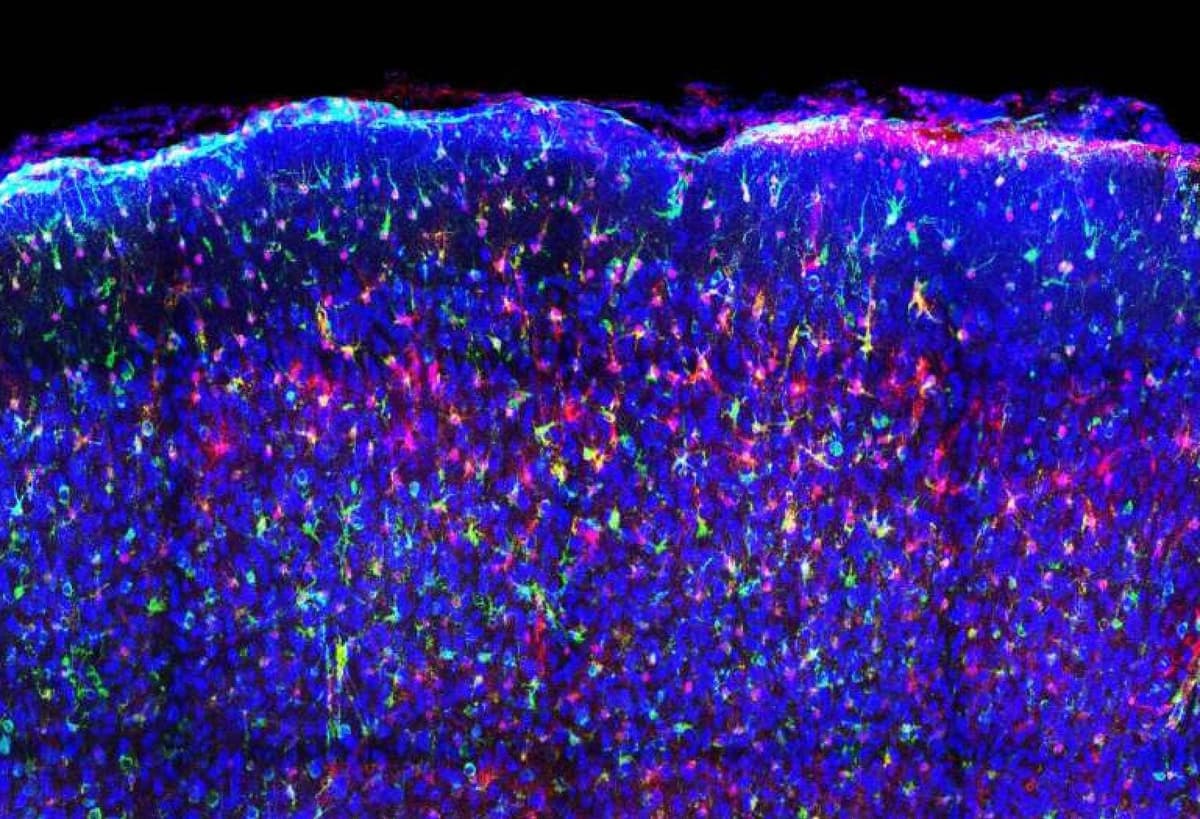
Multicolor capability amplifies the utility of these probes. Researchers can now tag distinct proteins, organelles, or signaling pathways with blue, green, orange, red, or near‑infrared fluorophores and monitor them concurrently. In neuronal studies, the system captured calcium fluxes alongside structural markers, offering a richer picture of synaptic activity. Similar experiments in mouse brain tissue and zebrafish embryos demonstrated deep‑tissue imaging without sacrificing spatial resolution, a feat that could transform studies of neurodegeneration, cancer metastasis, and developmental biology where multiple pathways intersect.
Despite the promise, delivering fluorescent nanobodies into living organisms remains a bottleneck. Current methods rely on transfection or viral vectors, which may not scale for therapeutic applications. Ongoing work in nanoparticle carriers and cell‑penetrating peptides aims to bridge this gap, potentially extending the technology from research labs to clinical diagnostics. As the platform matures, it is poised to influence biotech pipelines, offering a cost‑effective alternative to genetically encoded reporters and expanding the toolbox for precision medicine.
A New Tool To Peer Inside The Cell
Comments
Want to join the conversation?
Loading comments...