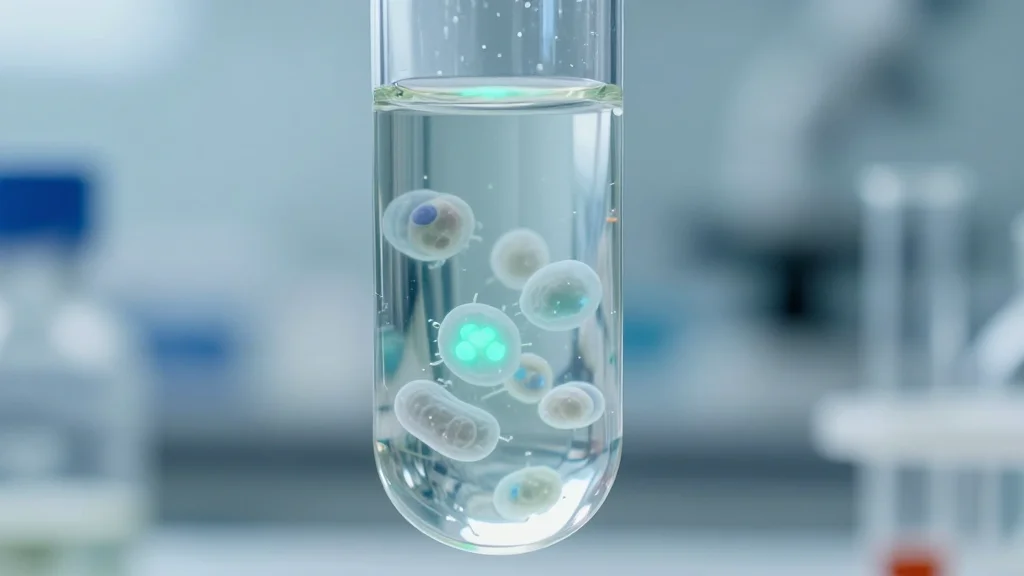
A Renewable Cell Source for Cancer Immunotherapy Could Make Off-the-Shelf Treatments Possible
Why It Matters
A scalable, engineerable progenitor platform could eliminate the manufacturing bottlenecks of macrophage therapies and allow universal, off‑the‑shelf cancer immunotherapies, expanding treatment options beyond patient‑specific T‑cell approaches.
Key Takeaways
- •GMPs can self‑renew while retaining macrophage potential
- •CAR‑engineered GMPs delay tumor growth in mice
- •Dual‑engineered GMPs add immune‑activating signal, boosting efficacy
- •Off‑the‑shelf GMP therapy avoids patient‑specific manufacturing
- •Platform restores immunity in chronic granulomatous disease mouse model
Pulse Analysis
Macrophage‑based immunotherapy has long been hampered by manufacturing challenges. Mature macrophages are difficult to expand, hard to engineer, and often lose function during storage, limiting their clinical rollout. By contrast, T‑cell therapies, while successful in hematologic cancers, struggle with solid tumors. The need for a readily producible, versatile immune cell has driven researchers to explore earlier developmental stages, where cells retain both proliferative capacity and functional plasticity.
The USC‑Stanford collaboration demonstrated that granulocyte‑monocyte progenitors (GMPs) can be kept in a self‑renewing state using a defined chemical cocktail, preserving their identity while allowing massive expansion. These progenitors were then equipped with CARs targeting tumor antigens and an additional signal to recruit endogenous immune cells. In mouse studies, CAR‑GMPs slowed disease in both blood‑derived and solid tumors, and the dual‑engineered version produced a pronounced survival benefit. Because GMPs engraft in bone‑marrow niches and continuously generate functional macrophages, they avoid the rapid clearance that plagues mature macrophage infusions, offering a durable therapeutic reservoir.
For the biotech industry, this breakthrough opens a pathway to off‑the‑shelf cellular products that can be mass‑produced, cryopreserved, and administered without HLA matching. The platform’s versatility also extends to non‑cancer applications, as shown by correction of chronic granulomatous disease in mice. Regulators may view the progenitor‑based approach favorably due to its reproducibility and safety profile, potentially accelerating clinical translation. As investors seek next‑generation immunotherapies, scalable GMP platforms could become a cornerstone of the emerging cell‑therapy market.
A renewable cell source for cancer immunotherapy could make off-the-shelf treatments possible
Comments
Want to join the conversation?
Loading comments...