ADM Research Highlights Microbial Benefits for Psychological Symptoms
Why It Matters
The findings indicate that postbiotic formulations could offer a safe, non‑pharmaceutical avenue to alleviate subclinical anxiety, a condition affecting millions and often overlooked by traditional mental‑health services.
Key Takeaways
- •Live probiotic blend showed no significant anxiety reduction
- •Heat‑inactivated strains improved vitality and social functioning scores
- •Butyrate‑producing bacteria preserved in participants receiving live blend
- •Higher B. longum levels correlated with lower perceived stress
- •Findings support further research on postbiotics for subclinical anxiety
Pulse Analysis
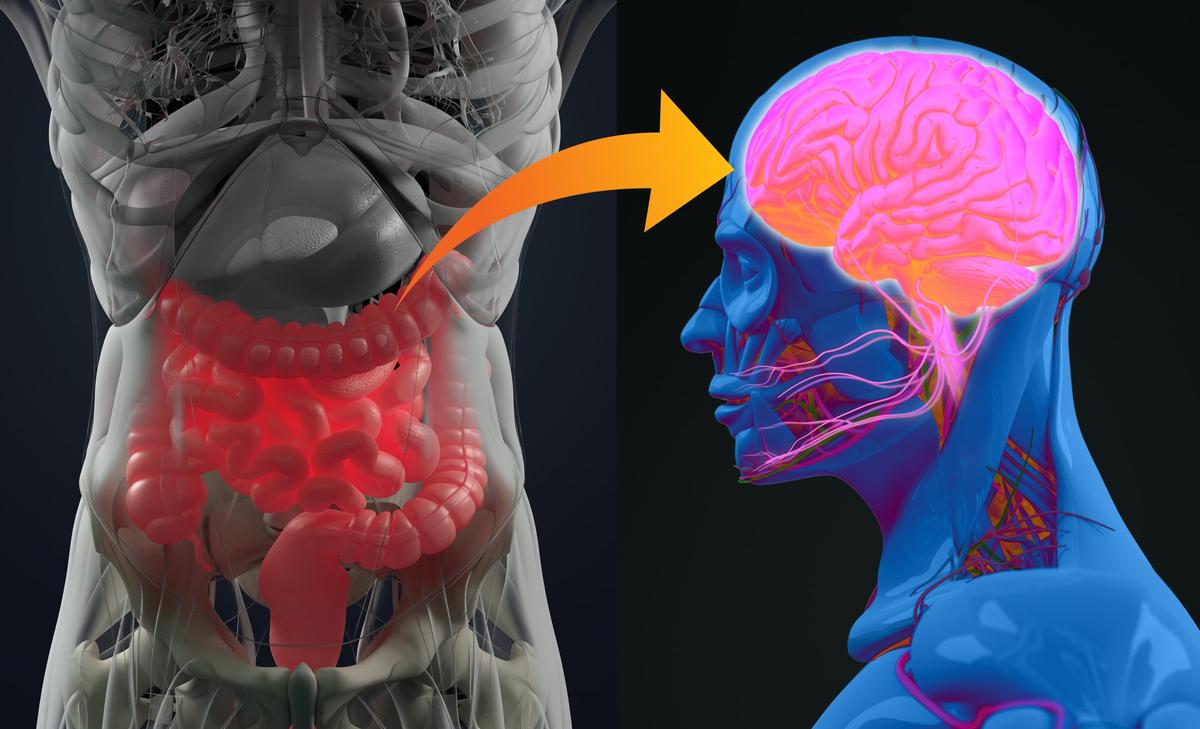
The gut‑brain axis has emerged as a promising target for mental‑health interventions, especially for subthreshold anxiety that impacts productivity yet falls outside conventional treatment thresholds. While pharmaceuticals and therapy dominate clinical care, a growing body of research highlights how specific microbial strains can influence neurotransmitter pathways and the hypothalamic‑pituitary‑adrenal (HPA) axis. This trial adds to that narrative by focusing on otherwise healthy adults reporting mild stress, a demographic that represents a sizable portion of the workforce and often seeks over‑the‑counter wellness solutions.
In the study, 100 participants received a daily live probiotic blend of B. longum CECT 7347 and L. rhamnosus CECT 8361 for 12 weeks, followed by a six‑week pilot where eight non‑responders were given a heat‑inactivated version of the same strains. The live formulation did not achieve statistically significant reductions in Hamilton Anxiety Rating Scale scores, though microbiome analysis revealed preservation of butyrate‑producing bacteria and an inverse relationship between B. longum abundance and perceived stress. Conversely, the postbiotic arm demonstrated measurable gains in vitality, social functioning, and stress perception, suggesting that inactivated microbes may retain bioactive metabolites capable of modulating mood‑related pathways without the viability constraints of live cultures.
These outcomes carry strategic implications for the burgeoning psychobiotics market. Demonstrating efficacy in subclinical populations could expand the addressable market beyond patients with diagnosed disorders, positioning postbiotic products as preventive wellness supplements. However, the modest sample size and pilot nature of the postbiotic phase underscore the need for larger, multi‑center trials to validate mechanisms and establish dosing standards. Regulatory bodies are likely to scrutinize health claims, making robust clinical evidence essential for commercial rollout. As investors watch the intersection of microbiome science and mental health, this research signals a potential shift toward evidence‑based, microbiome‑derived interventions that complement traditional therapies.
ADM research highlights microbial benefits for psychological symptoms
Comments
Want to join the conversation?
Loading comments...