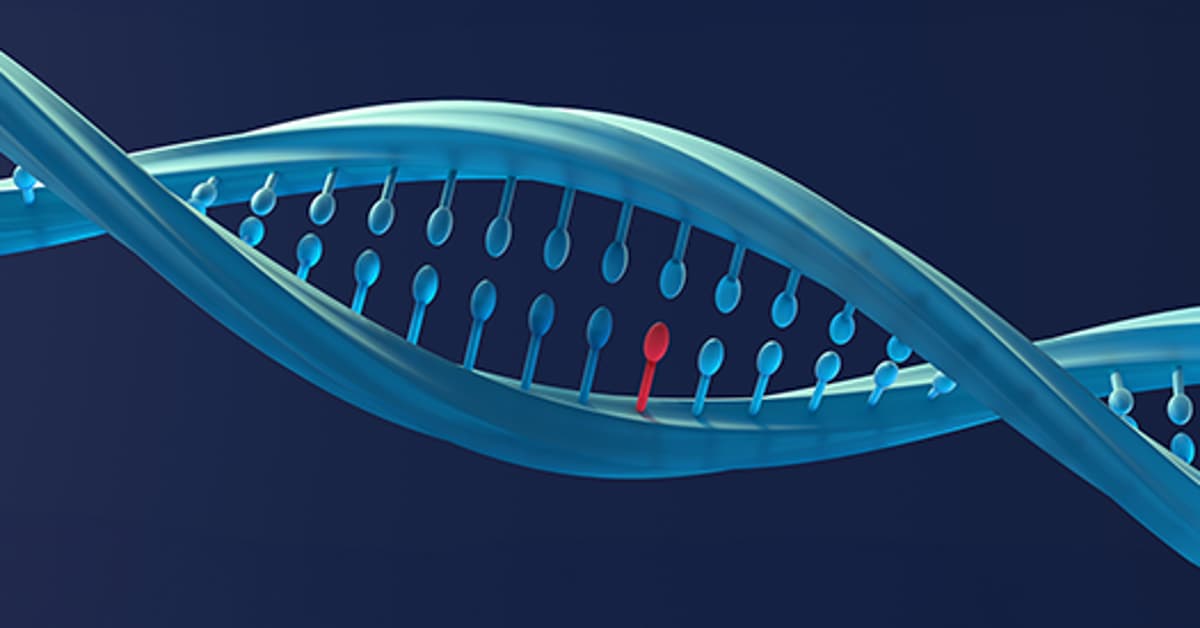
Advances in Genetic Medicine Took Center Stage at INSAR
Why It Matters
These advances could shift autism treatment from symptom management to disease‑modifying interventions, expanding therapeutic options for both rare‑gene and broader autism populations.
Key Takeaways
- •CRISPR and ASO therapies target rare autism genes like SCN2A, SHANK3
- •Angelman trials show cognitive gains and functional independence across ages
- •New viral vectors and nanoparticles improve brain delivery of gene medicines
- •FDA's Plausible Mechanism Framework speeds ultra‑rare neurodevelopmental treatments
- •Epigenome editing may eventually benefit non‑genetic autism cases
Pulse Analysis
The genetics of autism are moving from academic curiosity to actionable targets, as INSAR showcased a growing pipeline of precision medicines. While roughly 20% of autistic individuals carry identifiable monogenic variants, the therapeutic implications now extend beyond diagnosis. Researchers are leveraging CRISPR to correct pathogenic DNA edits and antisense oligonucleotides to reactivate silenced genes, offering a mechanistic route to symptom reduction rather than merely managing behavior.
Clinical data are beginning to validate these concepts. Angelman syndrome trials, which employ ASOs to unsilence the maternal UBE3A allele, have reported measurable gains in cognition, language emergence, and daily living skills across children and adults. Parallel efforts in epigenome editing aim to modulate gene networks without permanent DNA alteration, a strategy that could be adaptable to polygenic autism forms. Delivery remains a critical hurdle; however, next‑generation viral vectors and engineered nanoparticles now demonstrate the ability to cross the blood‑brain barrier and target neuronal populations with greater precision, potentially reducing dosing frequency and side‑effects.
Regulatory momentum is matching scientific progress. The FDA’s Plausible Mechanism Framework acknowledges that traditional large‑scale trials are infeasible for ultra‑rare conditions, allowing robust biomarker and natural‑history data to support approval pathways. This paradigm shift not only accelerates rare‑gene therapies but also creates a translational bridge for broader autism interventions, where gene‑regulation tools and RNA‑based medicines could address common neurodevelopmental pathways. As delivery technologies mature, the line between rare‑variant and idiopathic autism treatments is expected to blur, offering a more inclusive therapeutic horizon.
Advances in genetic medicine took center stage at INSAR
Comments
Want to join the conversation?
Loading comments...