AI Could Help Win ‘Race Against Extinction’ of Vital Plants, Say Botanists
Companies Mentioned

Why It Matters
Accelerating species loss threatens food, medicine and climate services, so AI‑enabled data can speed discovery and conservation. Broad adoption could close critical knowledge gaps while informing policy and investment.
Key Takeaways
- •Kew digitised 7.4 million specimens, 145 million digital records online
- •AI model detected 2.5‑day flowering shift per decade globally
- •Genomes extracted from 180‑year‑old fungi open new drug prospects
- •Only 16 % of herbarium collections digitised, leaving major data gaps
- •AI identifies microscopic plant species faster than human specialists
Pulse Analysis
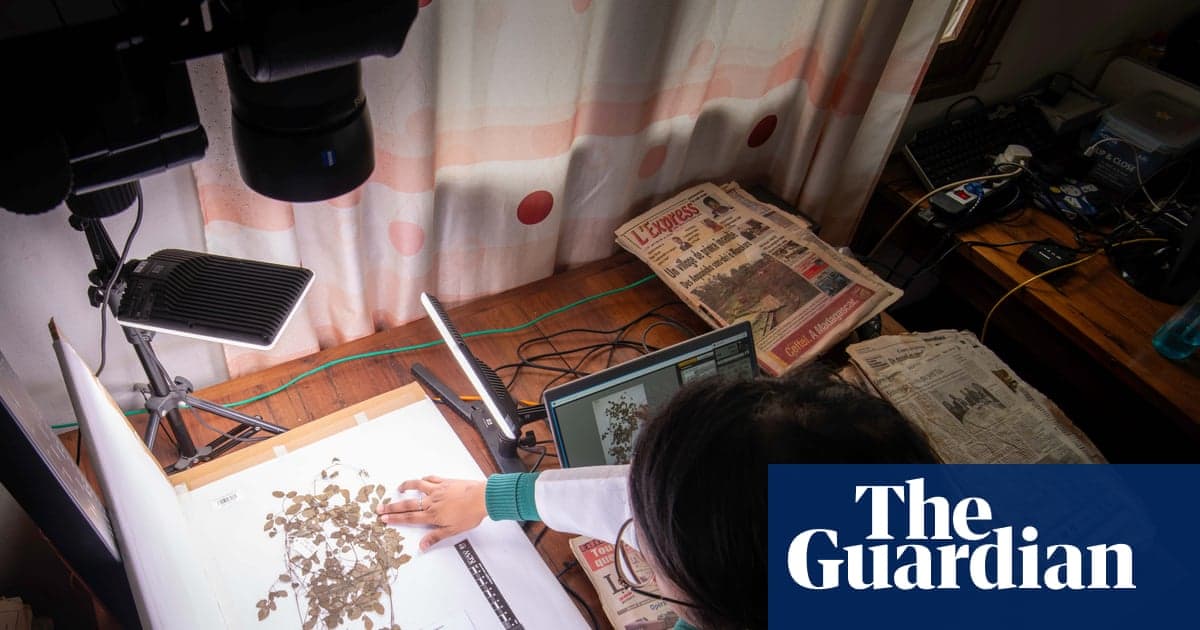
The accelerating loss of plant and fungal diversity is now a headline risk for global food security, medicine discovery, and climate regulation. Royal Botanic Gardens, Kew, has completed a massive digitisation effort, converting 7.4 million physical specimens into high‑resolution images and metadata that feed an expanding online repository of 145 million records. By making centuries‑old collections searchable worldwide, researchers in biodiversity hotspots such as Madagascar can tap into data that were previously locked behind glass cabinets, accelerating baseline assessments and conservation planning.
Artificial‑intelligence models trained on these digitised images are already reshaping botanical research. An AI system that scanned eight million specimens revealed an average flowering shift of 2.5 days per decade, a clear signal of climate‑driven phenological change that threatens pollinator synchrony. In parallel, deep‑learning classifiers now distinguish notoriously difficult groups—such as sedges and peat mosses—with accuracy that rivals or exceeds human experts, speeding the detection of rare or endangered taxa. Perhaps most striking, researchers have reconstructed high‑quality genomes from fungi collected up to 180 years ago, turning historic herbarium material into a “genomic goldmine” for new antibiotics and disease‑forecasting tools.
Despite the promise, scaling AI‑driven biodiversity science faces practical hurdles. Digitisation currently covers only about 16 % of global herbarium holdings, leaving large taxonomic and geographic blind spots that can bias model outputs. Moreover, training large neural networks consumes significant electricity and water, contributing to the 6 % share of power use now attributed to data centres in the United Kingdom and United States. To realise the full potential of this “genomic goldmine,” governments, funders, and tech firms must collaborate on expanding digitised collections, improving data equity, and investing in greener computing infrastructure, ensuring that AI becomes a catalyst rather than a cost.
AI could help win ‘race against extinction’ of vital plants, say botanists
Comments
Want to join the conversation?
Loading comments...