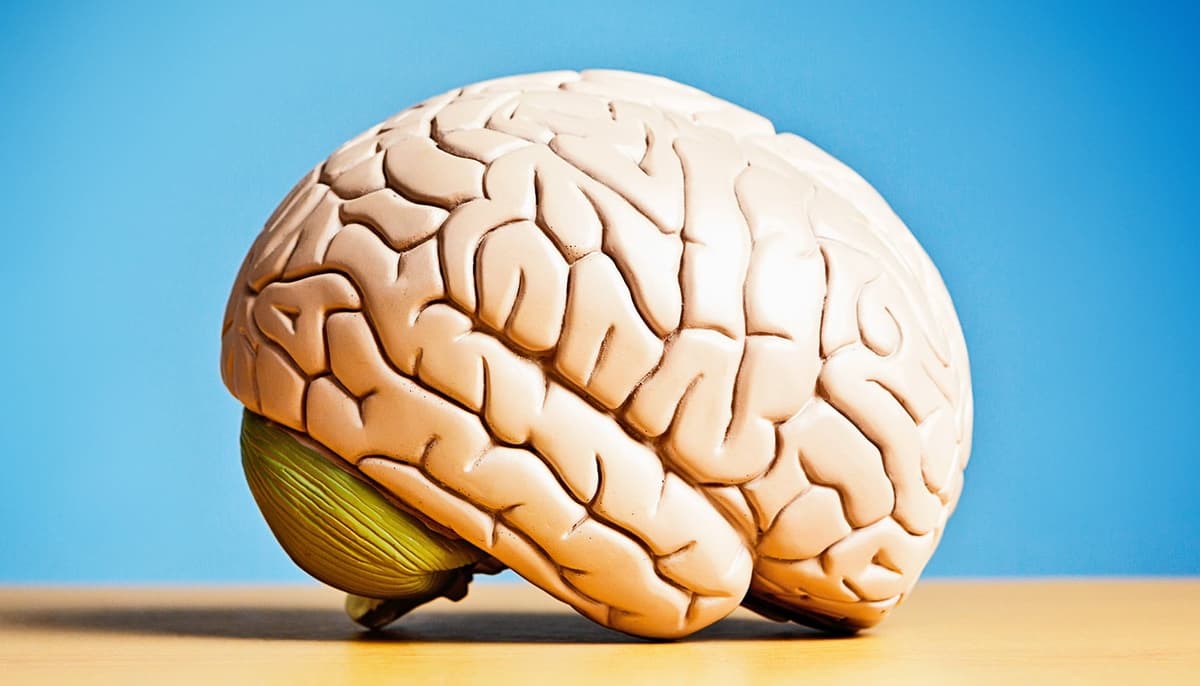
AI Shows How Your Brain Cleans Out Harmful Waste
Why It Matters
Quantifying glymphatic flow offers a potential biomarker for neurodegenerative disease and concussion, paving the way for preventive diagnostics. The AI‑enhanced MRI approach could transform how clinicians assess brain health without invasive procedures.
Key Takeaways
- •Physics-informed AI extracts fluid velocity from MRI scans
- •Fast glymphatic flow moves at a few microns per second
- •Slow flow is about 50 times slower in deep brain tissue
- •Baseline fluid metrics established in mice for AI training
- •Future aim: screen human brains for circulation deficits linked to Alzheimer’s
Pulse Analysis
The glymphatic system, a network that flushes metabolic waste from the brain during deep sleep, has long been a focus of neuroscience because its failure is linked to neurodegenerative disorders such as Alzheimer’s disease. Directly observing fluid movement inside a living brain is technically prohibitive; conventional microscopes only capture tiny regions, while magnetic resonance imaging provides whole‑brain coverage but cannot measure the ultra‑slow velocities involved. To bridge this gap, researchers at the University of Rochester combined high‑resolution MRI data with physics‑informed artificial intelligence, creating a tool that infers flow speed without invasive procedures.
The AI model was trained on time‑lapse videos of dye diffusion through mouse brain tissue, allowing the network to learn the relationship between signal intensity changes and underlying fluid dynamics. When applied to MRI scans, the system revealed two distinct transport regimes: a rapid stream along perivascular spaces moving at a few microns per second, and a markedly slower seepage through deep parenchyma roughly fifty times slower. These quantitative measurements, previously unattainable in vivo, confirm that the brain employs both fast and slow clearance pathways to remove toxic proteins like amyloid‑β. Beyond basic science, the technique opens a pathway to clinical biomarkers for early‑stage Alzheimer’s, concussion assessment, and age‑related circulation decline.
By establishing baseline flow rates in healthy mice, the team plans to compare diseased and aged models, eventually extending the methodology to human subjects under the NIH BRAIN Initiative and NCCIH sponsorship. If successful, physicians could screen patients for impaired glymphatic transport before cognitive symptoms appear, enabling preventive interventions. The convergence of neuroimaging, fluid mechanics, and AI thus promises a new frontier in brain health monitoring.
AI shows how your brain cleans out harmful waste
Comments
Want to join the conversation?
Loading comments...