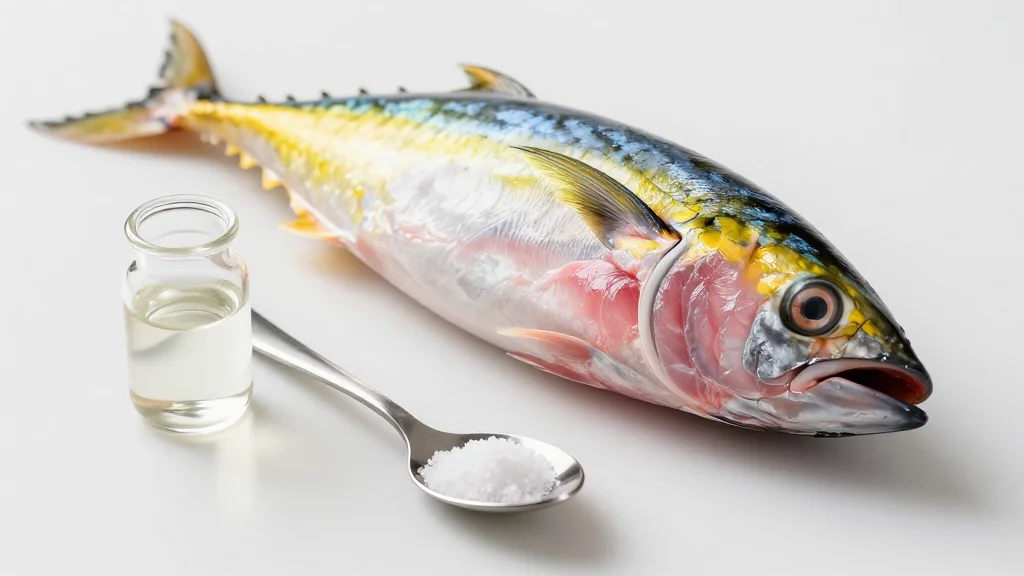
Amino Acid and Bioactive Signatures of Yellowfin Tuna Loins: Ocean-Specific Patterns Across Major Fishing Grounds
Companies Mentioned
Why It Matters
Consistent protein levels reinforce the nutritional branding of yellowfin tuna, but the modest regional amino‑acid differences and poor traceability limit the ability of processors to verify origin, a growing demand in sustainable seafood markets.
Key Takeaways
- •Yellowfin tuna loins contain ~25.3 g protein per 100 g.
- •Total protein and overall amino‑acid profile stable across oceans.
- •Eleven of 17 amino acids differ significantly among oceanic origins.
- •Anserine and creatine levels are highest in Indian Ocean tuna.
- •Geographic origin classification achieves only ~72% accuracy, limiting traceability.
Pulse Analysis
The findings underscore why yellowfin tuna continues to dominate global seafood shelves. With total protein hovering around 25 g per 100 g, the fish meets the high‑protein threshold prized by health‑conscious consumers and supports marketing claims that command premium pricing. Moreover, the essential amino‑acid index exceeds 100 % across all samples, confirming that YFT loins deliver a complete protein source comparable to beef or poultry, a point that resonates with dietitians and food service operators seeking nutrient‑dense options.
Regional nuances in amino‑acid concentrations, however, reveal subtle biochemical fingerprints tied to oceanic ecosystems. Higher histidine and glycine in Indian‑Ocean tuna, alongside elevated isoleucine and phenylalanine in Pacific specimens, reflect differences in prey composition and water temperature. These variations, while statistically significant, do not alter the overall nutritional adequacy but could influence flavor profiles and textural attributes, offering processors a potential lever for product differentiation in niche markets such as gourmet sashimi or fortified frozen meals.
The study also highlights a critical gap in seafood traceability. Despite measurable differences in bioactive compounds like anserine and creatine, discriminant analysis correctly assigned oceanic origin for only about three‑quarters of the samples. As retailers and regulators tighten provenance requirements to combat illegal, unreported, and unregulated (IUU) fishing, the limited discriminative power of amino‑acid and bioactive signatures suggests that industry must rely on complementary tools—DNA barcoding, isotopic analysis, and blockchain‑based tracking—to assure consumers of authentic, sustainably sourced tuna. This multi‑layered approach will become essential for maintaining market confidence and meeting evolving sustainability standards.
Amino acid and bioactive signatures of yellowfin tuna loins: ocean-specific patterns across major fishing grounds
Comments
Want to join the conversation?
Loading comments...