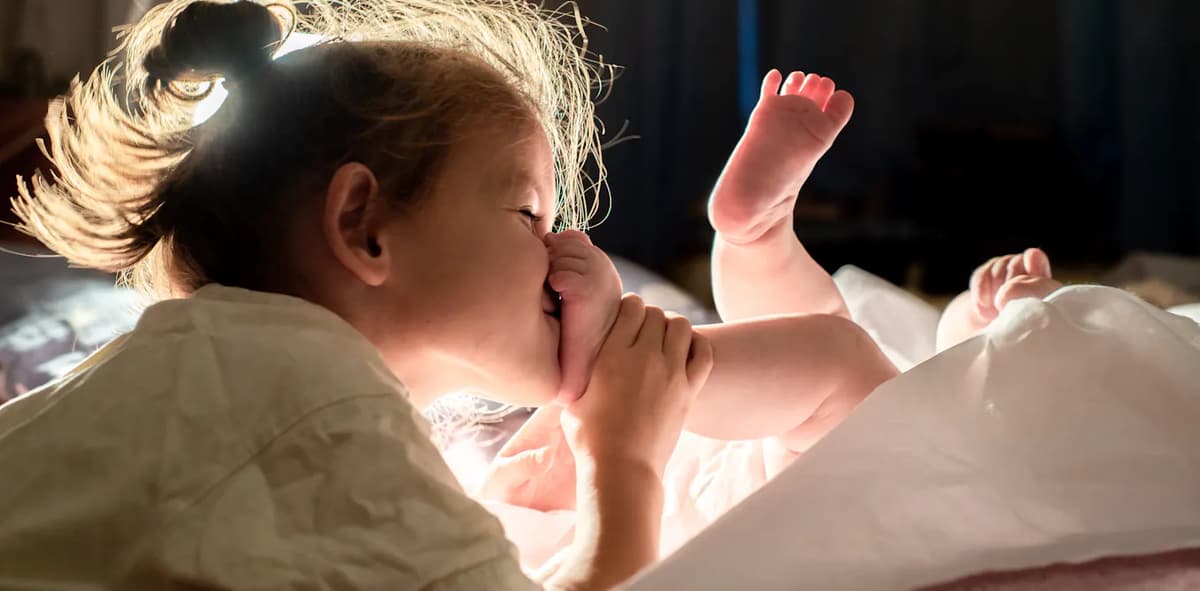
Babies with Older Siblings Have a Higher Infection Risk, but Are Less Protected Through Vaccination
Why It Matters
Reduced maternal immunisation in later pregnancies leaves a vulnerable cohort of infants at higher risk of serious respiratory disease, challenging New Zealand’s public‑health goal of protecting all newborns. Targeted interventions can close the protection gap and lower hospital burdens.
Key Takeaways
- •Pertussis vaccine uptake drops from 69% first to 38% fourth pregnancy.
- •Influenza vaccination falls from 45% first to 24% fourth pregnancy.
- •Later-born infants face higher hospitalisation for pertussis and flu.
- •Maternal immunisation gaps coincide with increased infection exposure from older siblings.
- •Pharmacy and midwife delivery models boost uptake, especially for Māori women.
Pulse Analysis
Maternal immunisation has become a cornerstone of neonatal protection in high‑income health systems, with antibodies transferred across the placenta shielding infants during the first vulnerable months. In New Zealand, pertussis and influenza vaccines are publicly funded for every pregnancy, yet overall uptake remains modest. The policy’s intent is to reduce infant morbidity and hospital admissions, but the effectiveness hinges on consistent coverage across all births, not just the first few.
The latest longitudinal analysis of the Aotearoa Immunisation Register uncovers a striking birth‑order gradient. Mothers are markedly less likely to receive pertussis and influenza shots in later pregnancies, a pattern that persists even when comparing the same woman across multiple births. Consequently, babies born later in larger families experience higher rates of hospitalisation for the very diseases the vaccines aim to prevent. This convergence of reduced protection and increased exposure—often from school‑aged siblings—creates a public‑health blind spot that traditional vaccination campaigns have overlooked.
Addressing the gap requires service redesign that meets busy families where they are. Expanding vaccination sites to pharmacies and community midwives has already shown promise, particularly among Māori women who historically face access barriers. Tailored outreach, streamlined appointment systems, and clear messaging about the benefits of maternal immunisation for each subsequent child could lift uptake across all birth orders. By closing this double disadvantage, New Zealand can improve infant health outcomes and reduce the strain on hospitals, offering a model for other nations grappling with similar disparities.
Babies with older siblings have a higher infection risk, but are less protected through vaccination
Comments
Want to join the conversation?
Loading comments...