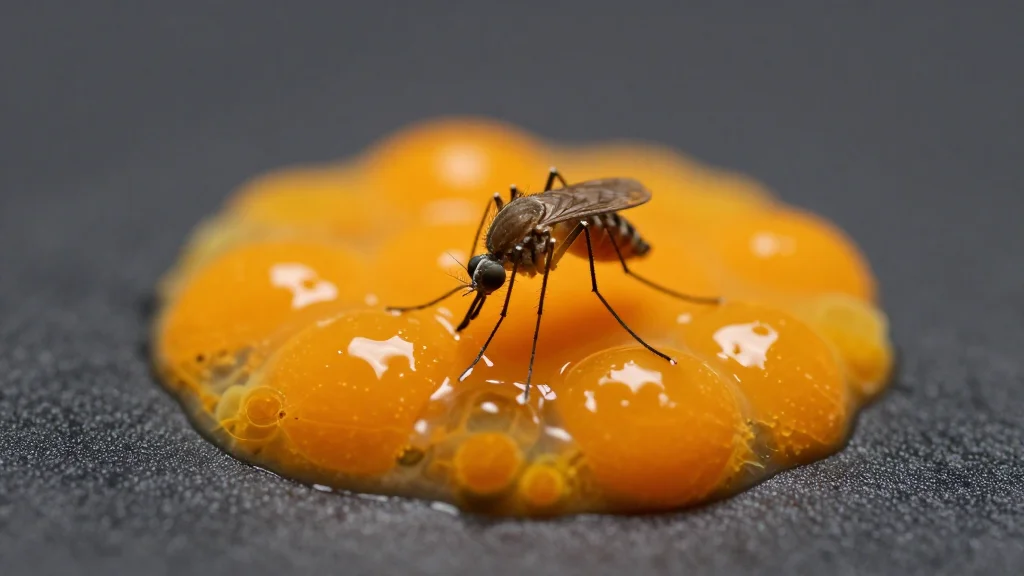
Beyond Bread and Beer, Alluring Yeast Species Could Yield New Mosquito Traps to Combat Malaria
Why It Matters
Mosquito‑borne malaria remains a leading cause of death, and insecticide‑resistant vectors limit current interventions; a cheap, eco‑friendly trap could dramatically reduce transmission. Deploying yeast‑based traps offers a scalable, sustainable complement to vaccines and insecticides.
Key Takeaways
- •Rhodotorula taiwanensis attracts and traps Anopheles gambiae mosquitoes.
- •Yeast emits acetone and 3‑methyl‑1‑butanol as primary scent cues.
- •Sticky biofilm acts like biodegradable glue for trap designs.
- •Related Rhodotorula species were isolated from wild Anopheles in Zambia.
- •Team plans low‑cost, eco‑friendly yeast traps to curb malaria transmission.
Pulse Analysis
Malaria continues to claim over 600,000 lives annually, and the rise of insecticide‑resistant Anopheles populations has strained traditional control measures such as indoor residual spraying and bed nets. Public‑health officials are therefore seeking complementary strategies that are affordable, environmentally benign, and easy to deploy in endemic regions. The discovery that a common environmental yeast can both lure and immobilize malaria‑vector mosquitoes introduces a novel vector‑control modality that aligns with these criteria.
Rhodotorula taiwanensis, isolated from a Baltimore sidewalk, produces a simple volatile blend—primarily acetone and 3‑methyl‑1‑butanol—that triggers odorant receptors in female Anopheles gambiae. Laboratory assays demonstrated that the yeast’s sticky extracellular matrix functions like a natural glue, trapping mosquitoes upon contact. Importantly, the same scent profile attracted Drosophila fruit flies, indicating a broader insect‑luring capability. Field sampling in Zambia revealed closely related Rhodotorula species on wild Anopheles, confirming ecological relevance and suggesting that the yeast‑mosquito interaction is not an artifact of the lab.
If scaled effectively, yeast‑based traps could provide a low‑cost, biodegradable alternative to chemical insecticides, reducing reliance on toxic compounds and slowing resistance development. Their production leverages existing fermentation infrastructure, facilitating rapid manufacturing in low‑resource settings. Ongoing research will assess attractiveness across diverse malaria‑vector species and refine trap designs for field durability. Beyond malaria, this approach underscores the untapped potential of fungal‑insect symbioses for sustainable pest management, opening new avenues for integrated disease‑control programs worldwide.
Beyond bread and beer, alluring yeast species could yield new mosquito traps to combat malaria
Comments
Want to join the conversation?
Loading comments...