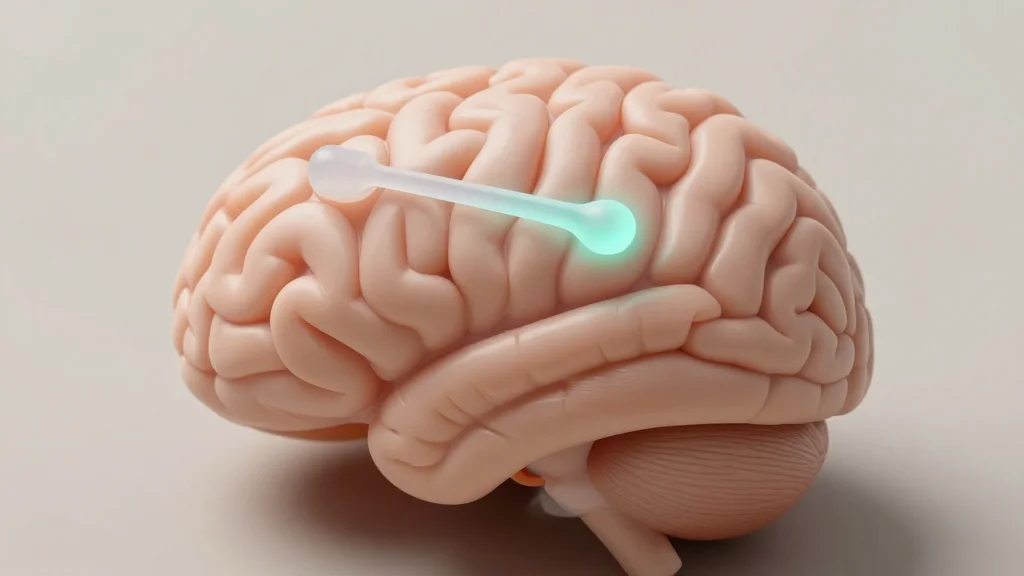
Biodegradable Brain Probes Eliminate the Need for Risky Surgical Removal
Why It Matters
These advances could open new consumer‑health markets, accelerate commercialization of TENG‑based power sources, and reshape material‑science strategies for next‑gen electronics.
Key Takeaways
- •AI headband reduces car sickness by 40% in trials
- •Device integrates mindfulness cues with real-time motion sensors
- •Industry lacks unified testing standards for triboelectric nanogenerators
- •Proposed framework aims to harmonize performance metrics across labs
- •CeB6 surface studies reveal unexpected electronic behavior affecting semiconductor design
Pulse Analysis
The wearable headband represents a convergence of artificial intelligence, wearable electronics, and behavioral health. By continuously monitoring vehicle motion and delivering timed mindfulness prompts, the device tackles motion‑induced nausea without pharmaceuticals, positioning it for rapid adoption in automotive accessories, rideshare fleets, and even cruise lines. Investors are watching the consumer‑health wearables space closely, as proven efficacy could translate into multi‑billion‑dollar revenue streams and partnerships with OEMs seeking differentiated in‑car experiences.
Triboelectric nanogenerators have attracted attention for converting ambient mechanical energy into electricity, but the lack of a common testing protocol has hampered scale‑up. The newly proposed framework outlines standardized metrics for output voltage, durability, and environmental resilience, enabling manufacturers to benchmark devices reliably. Such harmonization is expected to lower entry barriers for startups, attract venture capital, and accelerate integration of TENGs into IoT sensors, smart packaging, and wearable power modules, potentially unlocking a new niche in the renewable‑energy market.
The CeB6 surface reconstruction findings underscore how nanoscale structural changes can dominate electronic properties, challenging long‑standing assumptions in bulk semiconductor theory. By revealing that surface states can alter carrier mobility and band structure, the research prompts a reevaluation of material selection for high‑frequency and quantum devices. Companies developing next‑generation chips may need to incorporate surface‑engineering strategies to harness or mitigate these effects, influencing R&D budgets and collaborative efforts with academic labs.
Biodegradable brain probes eliminate the need for risky surgical removal
Comments
Want to join the conversation?
Loading comments...