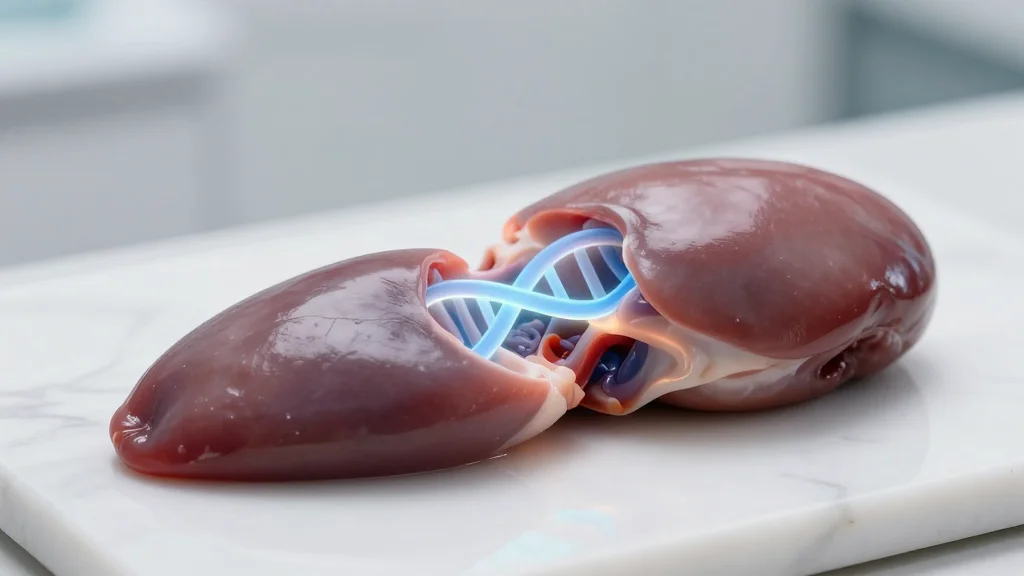
Blocking a Cellular Inflammation Process Could Result in Effective Therapy for Pancreatic Cancer
Companies Mentioned
Why It Matters
Targeting the TLR3/TRAF6‑driven inflammation could finally offer an effective treatment for pancreatic cancer, addressing a critical unmet need. The mechanism may also be exploitable in other inflammation‑driven malignancies, expanding its impact across oncology.
Key Takeaways
- •Defective mitochondria leak dsRNA, activating TLR3/TRAF6 inflammation.
- •Pancreatic cancer cells become addicted to this inflammation for survival.
- •Inhibiting TLR3/TRAF6 kills tumor cells in mouse models.
- •Researchers plan to develop TLR3/TRAF6 inhibitors as new drugs.
Pulse Analysis
Pancreatic ductal adenocarcinoma remains one of the deadliest cancers, with a five‑year survival rate below 10 percent and limited therapeutic options beyond surgery, chemotherapy, and radiation. The disease’s aggressiveness stems in part from its ability to rewire cellular metabolism, and recent studies have highlighted the role of mitochondria as more than energy factories. In many tumors, the structural protein Mic60 is depleted, leaving mitochondria structurally compromised yet still present, creating a paradoxical environment where damaged organelles become signaling hubs.
The new study from Wistar Institute and ChristianaCare uncovers how these “ghost” mitochondria leak double‑stranded RNA into the cytosol, mistakenly flagging the cell as virally infected. Sensors TLR3 and TRAF6 amplify this signal, launching a chronic inflammatory response that the cancer co‑opts for proliferation and survival. In murine models, pharmacologic blockade of TLR3/TRAF6 halted tumor growth and induced cancer cell death without harming normal tissue, demonstrating a clear therapeutic window. This inflammation addiction mirrors other oncogenic pathways where tumors become “addicted” to a specific signal, offering a strategic point of intervention.
The implications extend beyond pancreatic cancer. If the TLR3/TRAF6 axis proves druggable, it could inaugurate a new class of targeted therapies that modulate innate immune signaling rather than traditional cytotoxic approaches. Companies are already exploring small‑molecule inhibitors and biologics that disrupt TLR3 or TRAF6 interactions, and the current findings provide a compelling preclinical rationale for accelerated development. Future work will need to clarify Mic60’s exact role in membrane integrity and assess combination strategies with existing chemotherapies or immunotherapies. Success could reshape treatment paradigms for a disease that has long defied effective intervention.
Blocking a cellular inflammation process could result in effective therapy for pancreatic cancer
Comments
Want to join the conversation?
Loading comments...