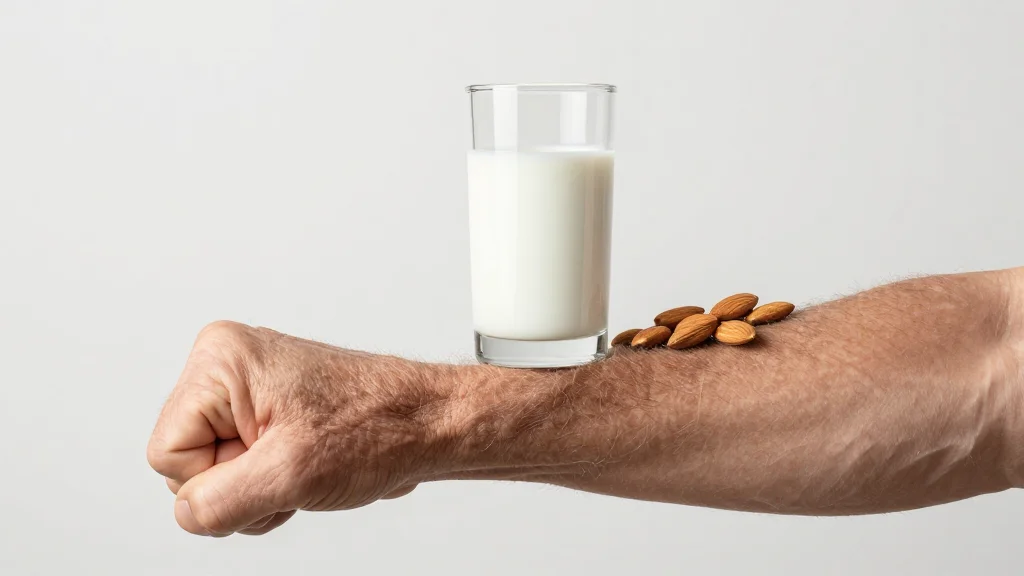
Body Mass Index and Dietary Intake as Nutritional Determinants of Sarcopenia in Older Adults
Companies Mentioned
Why It Matters
Identifying simple nutritional markers such as BMI and diet quality enables early detection and targeted interventions to curb sarcopenia, a major driver of disability and health‑care costs in aging populations.
Key Takeaways
- •Lower BMI increases sarcopenia risk (OR 0.64)
- •Each extra 100 kcal reduces sarcopenia odds by ~30%
- •Protein intake below 0.8 g/kg/day associates with higher sarcopenia prevalence
- •Higher dietary fiber intake correlates with better muscle strength and gait speed
- •Simple BMI and diet screening can flag at‑risk older adults
Pulse Analysis
Sarcopenia, the age‑related loss of muscle mass and function, affects roughly one in ten older adults and escalates the risk of falls, frailty, and mortality. While genetics and activity levels play roles, emerging evidence underscores nutrition as a pivotal, yet modifiable, determinant. This study adds weight to that narrative by linking lower body‑mass index and insufficient intake of energy, protein, and fiber directly to sarcopenia prevalence, even after controlling for key demographic and health variables.
Body‑mass index, despite its crude nature, remains a practical proxy for overall nutritional status in clinical settings. The analysis revealed a consistent inverse relationship: each unit drop in BMI raised sarcopenia odds by about 36%. However, BMI alone cannot differentiate lean from fat tissue, meaning sarcopenic obesity may slip through unnoticed. Complementary to BMI, the study quantified energy intake, showing that an additional 100 kcal per day cut sarcopenia risk by roughly one‑third, likely by averting the catabolic state that forces the body to break down muscle protein for fuel.
Protein and fiber emerged as independent protective factors. Participants consuming less than 0.8 g of protein per kilogram body weight—below the recommended 1.0‑1.2 g/kg for older adults—were markedly more prone to sarcopenia. Dietary fiber, often overlooked in muscle health, correlated with stronger grip and faster gait, suggesting benefits through gut‑muscle signaling pathways. Together, these findings advocate for routine nutritional screening in geriatric care and support interventions that prioritize adequate caloric, protein, and fiber intake to preserve muscle function and independence.
Body mass index and dietary intake as nutritional determinants of sarcopenia in older adults
Comments
Want to join the conversation?
Loading comments...