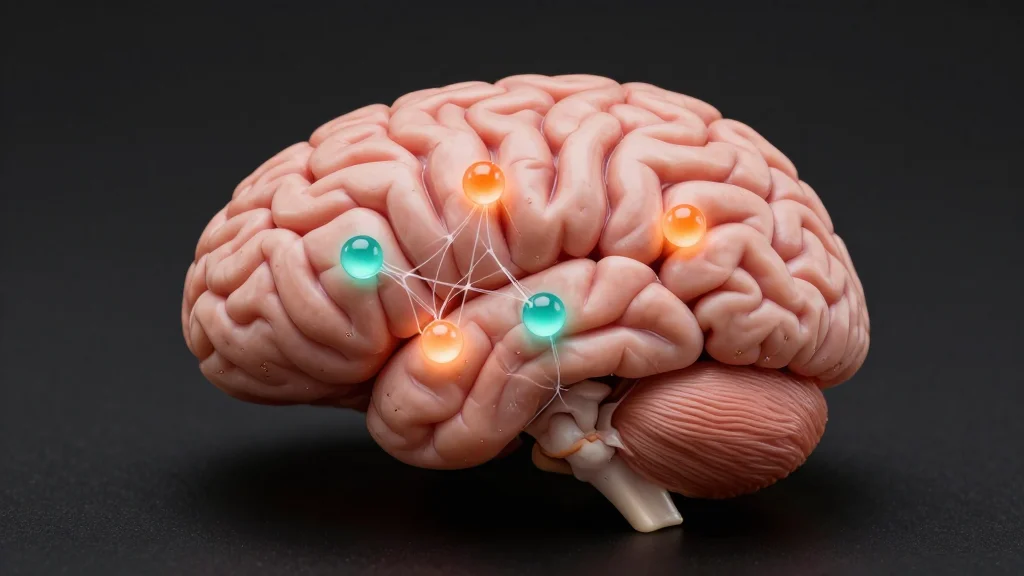
Brain Histamine Map Links Genetic Factors to Mental Health and Psychiatric Disorders
Why It Matters
By revealing how histamine signaling aligns with mental‑health phenotypes, the study provides a novel biological framework for drug discovery and personalized psychiatry, potentially expanding treatment options for disorders that current medications address only partially.
Key Takeaways
- •First multiscale map links histamine genes to cognition and psychiatric disorders
- •H1 and H2 receptors enriched in excitatory neurons; H3 in inhibitory cells
- •High histamine gene expression correlates with emotion, decision‑making, sleep, and memory
- •Regions with strong histamine signaling overlap ADHD, depression, schizophrenia, and anorexia
- •Map suggests new therapeutic targets beyond serotonin and dopamine pathways
Pulse Analysis
Histamine has long been relegated to allergy research, yet it functions as a widespread neuromodulator in the brain. The new multiscale atlas, published in Nature Mental Health, bridges a critical gap by marrying transcriptomic profiles with PET imaging and functional neuroimaging databases. This integrative approach uncovers how distinct histamine receptors distribute across excitatory and inhibitory neuronal populations, offering a granular view of the neurotransmitter’s role in maintaining the excitation‑inhibition balance essential for healthy cognition.
The atlas highlights that brain regions rich in histamine‑related gene expression are tightly coupled with emotional regulation, stress response, decision‑making, reward processing, sleep, and memory. Moreover, these regions overlap with neural circuits implicated in attention‑deficit/hyperactivity disorder, major depressive disorder, schizophrenia and anorexia nervosa. By mapping these associations, the study generates testable hypotheses about histamine’s contribution to the pathophysiology of diverse psychiatric conditions, positioning the molecule as a potential biomarker for disease subtyping and risk stratification.
For the pharmaceutical sector, the findings suggest untapped therapeutic opportunities. Current psychotropic drugs primarily target serotonin, dopamine or norepinephrine, leaving histamine pathways largely unexplored. The detailed receptor‑specific map points to H3 antagonists or H1/H2 modulators as candidates for addressing cognitive deficits, fatigue and motivational impairments that are poorly managed by existing treatments. As precision psychiatry gains momentum, integrating histamine‑focused diagnostics and interventions could reshape drug pipelines and offer clinicians a broader toolkit for personalized care.
Brain Histamine Map Links Genetic Factors to Mental Health and Psychiatric Disorders
Comments
Want to join the conversation?
Loading comments...