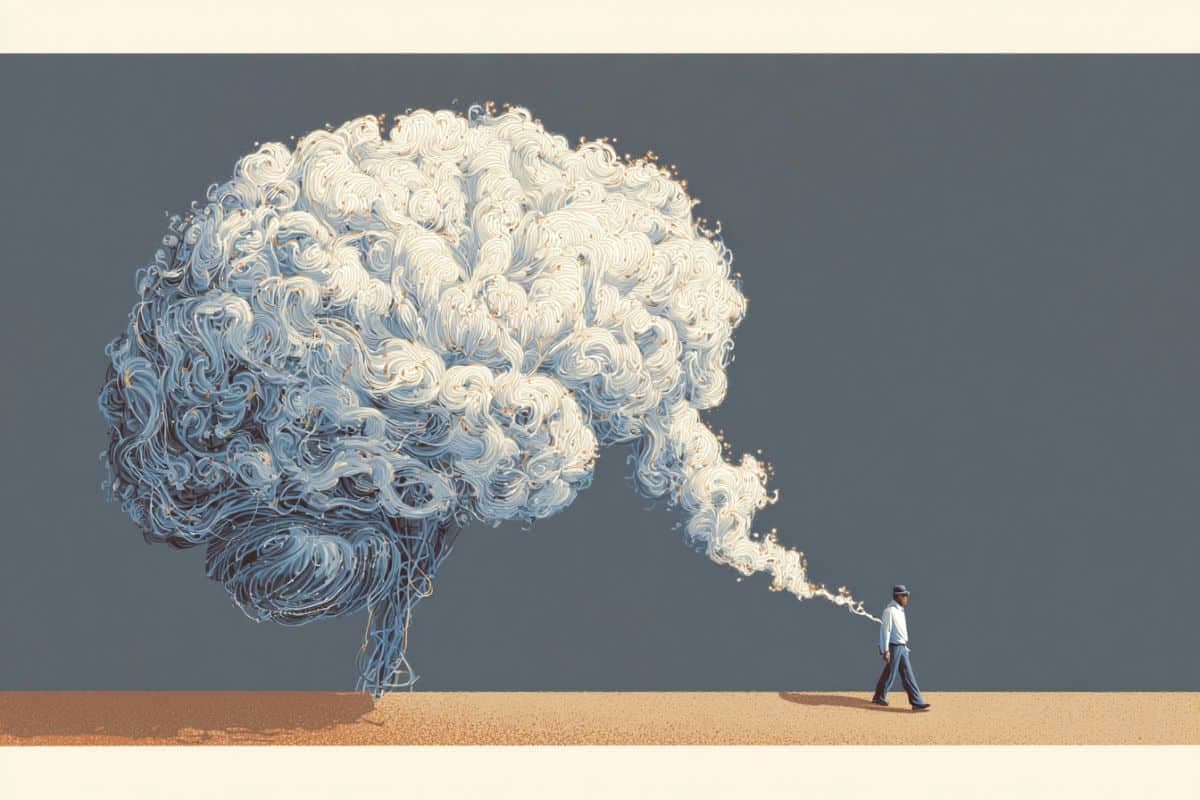
Brain Stimulation Boosts Willpower to Quit Smoking
Why It Matters
The finding offers a non‑pharmacologic, precision‑medicine option for smokers who struggle with existing therapies, potentially expanding the toolkit for tobacco‑use disorder treatment.
Key Takeaways
- •DLPFC rTMS reduced cigarettes by ~11 per day versus sham
- •Prefrontal activation increased, orbitofrontal activity decreased after treatment
- •Cravings and carbon‑monoxide levels fell alongside neural changes
- •Personalized fMRI‑guided targeting improved stimulation efficacy
- •Larger trials will assess durability and broader clinical adoption
Pulse Analysis
Cigarette smoking remains the leading preventable cause of death in the United States, and fewer than one in ten smokers achieve lasting abstinence despite counseling, nicotine replacement, and prescription drugs. The disorder’s biology—overactive reward circuits and weakened executive control—has spurred interest in neuromodulation as a complementary therapy. Repetitive transcranial magnetic stimulation (rTMS), already FDA‑cleared for depression, delivers brief magnetic pulses that can up‑ or down‑regulate specific cortical regions without surgery or anesthesia. Researchers view rTMS as a way to rebalance the brain networks driving cravings.
In a double‑blind, sham‑controlled trial at the Medical University of South Carolina, 46 smokers were randomized to 15 sessions of fMRI‑guided rTMS: high‑frequency 10 Hz stimulation of the left dorsolateral prefrontal cortex (L‑DLPFC), low‑frequency 1 Hz stimulation of the left medial orbitofrontal cortex (L‑mOFC), or sham. The L‑DLPFC group cut daily cigarettes by an average of 11.1, far exceeding the mOFC reduction (‑4.9) and sham (‑6.4). Imaging showed increased prefrontal activity and suppressed orbitofrontal signaling, changes that matched lower cravings and reduced carbon‑monoxide breath levels, persisting for at least a month.
These findings position rTMS as a promising, non‑pharmacologic addition to cessation programs, especially for patients who cannot tolerate nicotine‑replacement drugs or who have relapsed repeatedly. Because the device is already FDA‑approved for other neurological uses, manufacturers can leverage existing pathways to expand indications, potentially creating a multi‑billion‑dollar market as insurers consider coverage for brain‑based addiction therapy. Ongoing larger trials will test longer courses and sustained quit rates, while clinics will need to integrate fMRI‑guided targeting and reimbursement models. If efficacy holds, rTMS could reshape the competitive landscape, prompting pharma to partner with neuro‑technology firms and driving investment in precision‑medicine approaches to addiction.
Brain Stimulation Boosts Willpower to Quit Smoking
Comments
Want to join the conversation?
Loading comments...