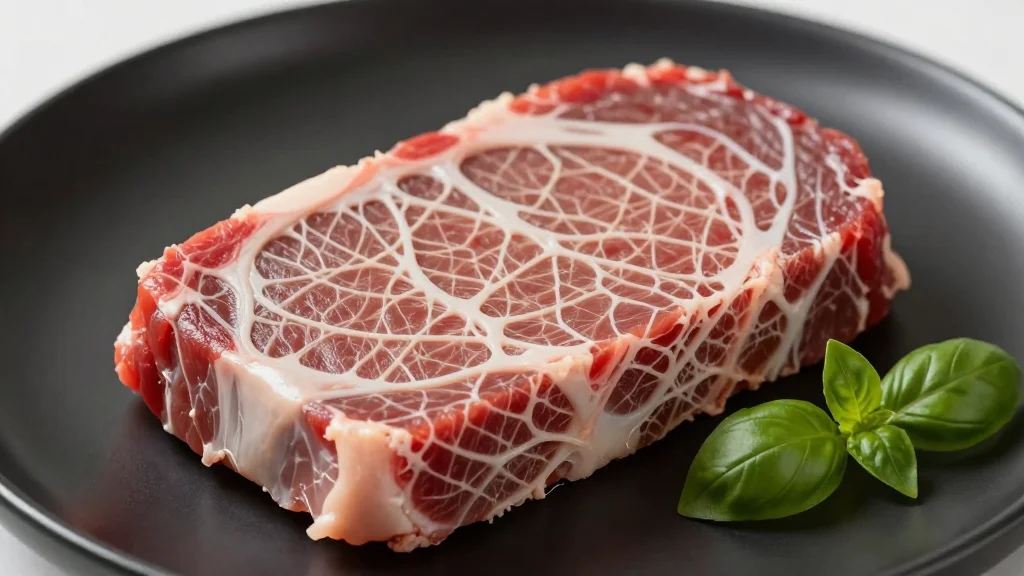
Budget-Friendly, Lab-Grown Steak with Realistic Texture
Why It Matters
By cutting the dominant growth‑factor expense, the breakthrough brings cultivated steak closer to price parity with conventional beef, accelerating commercial rollout and broader consumer adoption.
Key Takeaways
- •Scaffold binds growth factors, using up to 90% less media cost
- •Bovine stem cells form steak‑like texture and compressive strength
- •Directional freezing creates aligned cellulose tunnels mimicking muscle extracellular matrix
- •Fried cultured cuts brown like real sirloin, confirming sensory similarity
Pulse Analysis
The cultivated‑meat sector has long been hampered by the high cost of growth factors, which can represent more than 95% of media expenses. Traditional approaches dissolve these proteins throughout liquid culture, leading to waste and inflated prices that keep lab‑grown beef out of reach for most consumers. By immobilizing the factors on a porous, plant‑based scaffold, the Israeli team eliminates most of that waste, delivering a leaner, more economical production model that could reshape the economics of cellular agriculture.
The breakthrough hinges on a directional‑freezing technique that fashions nano‑ and micro‑crystalline cellulose into aligned, tunnel‑like microstructures. These anisotropic pathways act like a synthetic extracellular matrix, encouraging bovine mesenchymal stem cells to adhere, proliferate, and orient themselves in muscle‑like fibers. Over several weeks the cells differentiate, depositing structural proteins such as titin and accumulating lipids, resulting in a construct whose stiffness and compressive strength approach that of raw sirloin. Cooking tests confirm that the engineered steak browns via the Maillard reaction and retains a fibrous texture comparable to conventional beef, demonstrating that the scaffold does not compromise sensory qualities.
If the method can be transferred to serum‑free media and scaled to industrial volumes, it could lower cultivated‑meat prices dramatically, making whole‑cut alternatives viable for grocery shelves. The use of abundant, low‑cost cellulose—often derived from agricultural waste—adds a sustainability angle that aligns with consumer demand for eco‑friendly protein. Investors and major food companies are watching closely, as the technology promises to accelerate regulatory approvals and market entry, potentially reshaping the protein landscape within the next decade.
Budget-friendly, lab-grown steak with realistic texture
Comments
Want to join the conversation?
Loading comments...