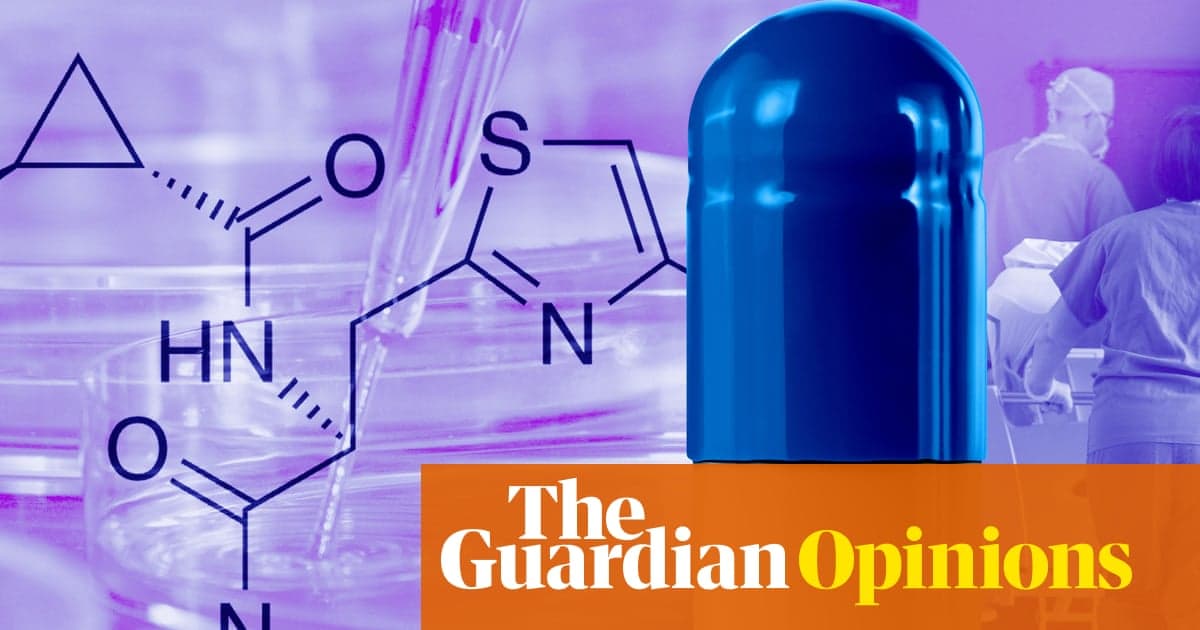
Cancer Is Now a Story of the Good, the Bad and the Ugly – but Also Hope | Devi Sridhar
Why It Matters
These therapeutic advances could reshape treatment standards for hard‑to‑treat cancers, but without addressing workforce shortages and early‑onset disease, overall progress may stall.
Key Takeaways
- •Daraxonrasib halves pancreatic cancer mortality, doubling median survival
- •Amivantamab vaccine shrinks tumors in one‑third of head‑neck patients
- •Global cancer workforce shortfall projected at 100 million by 2050
- •Cancer incidence rising 22% among 25‑29‑year‑olds since 1990
Pulse Analysis
The debut of daraxonrasib marks a pivotal moment in pancreatic oncology. By targeting the KRAS protein that drives tumor growth, the once‑fatal disease saw median survival double in a robust 500‑patient trial, with fewer side effects than conventional chemotherapy. This oral, once‑daily pill exemplifies the shift toward precision medicines that align molecular pathways with patient‑specific therapies, raising expectations for other KRAS‑mutated cancers and encouraging investors to fund similar targeted pipelines.
Beyond drug innovation, systemic pressures threaten to blunt gains. A recent World Economic Forum analysis warns of a 100 million shortfall in cancer‑care staff by 2050, encompassing nurses, lab technicians, and oncologists. Diagnostic delays are already evident: only about 69% of urgent UK referrals start treatment within the NHS’s 62‑day target, and each four‑week postponement can cut survival by roughly 10%. Coupled with a 22% rise in cancer rates among 25‑29‑year‑olds, driven by processed foods, obesity, alcohol and stress, the workforce gap could exacerbate late‑stage diagnoses and limit access to emerging therapies.
Nevertheless, optimism endures. Immunotherapies like amivantamab, which activates the immune system while blocking tumor‑growth proteins, demonstrate that novel vaccines can achieve meaningful tumor regression across multiple cancer types. Continued public and private investment in research, combined with policies that expand training pipelines for oncology professionals, will be essential to translate scientific breakthroughs into population‑wide health gains. As precision oncology matures, the balance of good, bad and ugly in cancer care will increasingly tilt toward hope.
Cancer is now a story of the good, the bad and the ugly – but also hope | Devi Sridhar
Comments
Want to join the conversation?
Loading comments...