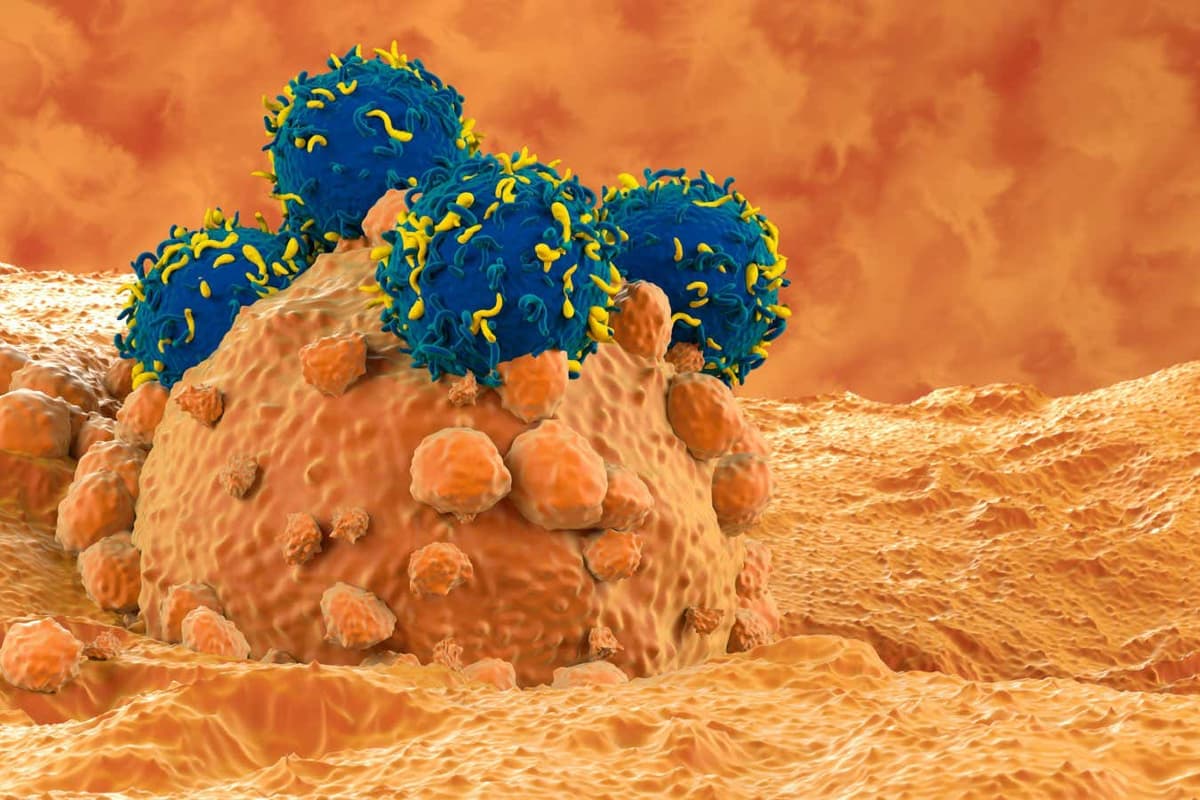
CAR T-Cell Therapy Bolstered by Stiffening up Cancer Cells First
Why It Matters
By addressing the physical barriers of solid tumors, this strategy could expand CAR T‑cell therapy beyond blood cancers, unlocking larger market opportunities and improving patient outcomes. It also promises cost efficiencies by potentially lowering the required cell dose.
Key Takeaways
- •Stiffening cancer cells enhances CAR‑T efficacy in mouse melanoma models
- •Physical alteration of tumor mechanics is a novel immunotherapy strategy
- •Approach could boost response rates for solid‑tumor CAR‑T trials
- •Pre‑treatment may reduce required CAR‑T cell doses, lowering costs
- •Researchers aim to translate findings into human clinical studies soon
Pulse Analysis
CAR T‑cell therapy has transformed treatment for hematologic malignancies, yet its impact on solid tumors remains limited by the dense, pliable extracellular matrix that blocks immune cell access. The recent study from a UK research team introduces a physical‑based solution: chemically stiffening tumor cells before infusion. In murine melanoma, this pre‑conditioning amplified CAR T‑cell infiltration and tumor eradication, suggesting that mechanical properties of cancer cells are as critical as molecular targets. By reshaping the tumor microenvironment, the approach tackles a root cause of therapeutic resistance, offering a complementary tool to existing genetic engineering techniques.
The mechanistic insight hinges on increased cellular rigidity, which appears to reduce the ability of cancer cells to evade immune synapse formation. Stiffer cells present more stable antigens and facilitate stronger immunological synapses, allowing CAR‑T cells to deliver cytotoxic hits more efficiently. Pre‑clinical data show up to a 40% improvement in tumor regression and a notable decrease in the number of CAR‑T cells needed for a therapeutic effect. This dose‑sparing effect could lower manufacturing costs—a major expense in autologous cell therapies—making treatments more affordable and scalable for broader patient populations.
For investors and biotech firms, the breakthrough signals a potential expansion of the CAR T market into high‑value solid‑tumor indications such as melanoma, lung, and pancreatic cancers. Translating the stiffening protocol into human trials will require safety validation and regulatory alignment, but the concept aligns with current trends toward combination immunotherapies. Companies that can integrate mechanical modulation with existing CAR platforms may capture a competitive edge, driving pipeline diversification and attracting capital seeking next‑generation immuno‑oncology solutions.
CAR T-cell therapy bolstered by stiffening up cancer cells first
Comments
Want to join the conversation?
Loading comments...