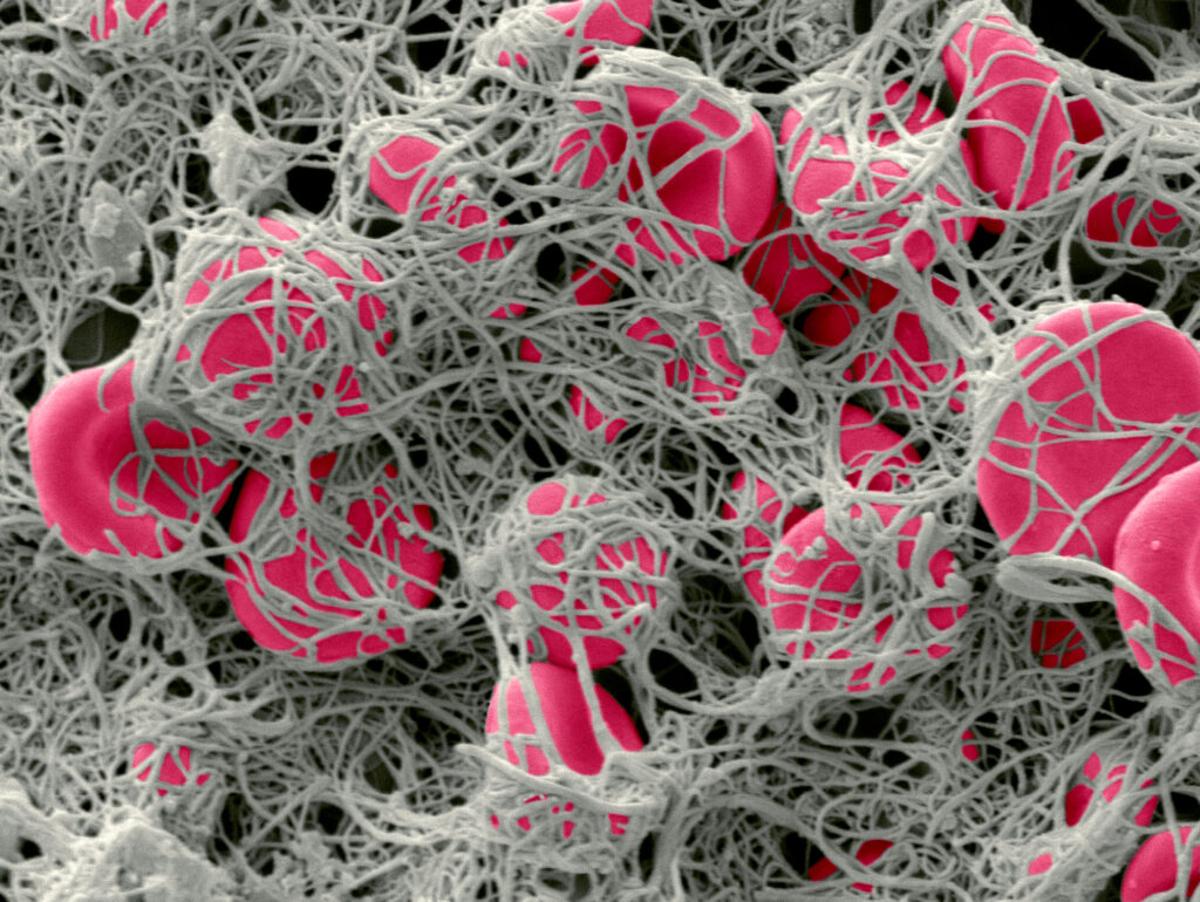
“Click Clotting” Technique Rapidly Creates Stronger Blood Clots
Why It Matters
The technology offers a fast, mechanically robust hemostatic solution that could reduce mortality from traumatic hemorrhage and improve outcomes in wound‑care and regenerative medicine. Its compatibility with the body’s own clotting cascade eases regulatory pathways and broadens clinical applicability.
Key Takeaways
- •Click clotting creates cytogels 13× tougher than natural clots
- •Engineered clots form in 5 seconds via surface protein reaction
- •Autologous clots prepared in ~20 min; allogeneic in ~10 min
- •In rodent liver injury, engineered clots outperformed standard product
- •Technique preserves bioactivity, minimizing inflammation and organ toxicity
Pulse Analysis
The "click clotting" breakthrough builds on decades of research into biomimetic hemostats, but it sidesteps the brittleness that plagued earlier red‑blood‑cell crosslinking attempts. By employing a rapid, bio‑safe click chemistry reaction, the method creates a solid gel—dubbed a cytogel—without disrupting the cascade of clotting factors that naturally seal wounds. This dual action, where the engineered scaffold integrates seamlessly with fibrin, delivers unprecedented mechanical strength while retaining the clot’s intrinsic signaling functions that drive tissue repair.
From a clinical perspective, speed and reliability are paramount. Traditional hemostatic agents often require minutes to minutes to achieve adequate adhesion, and many are limited to external use. Click clotting can be mixed with whole blood at the bedside, solidifying in seconds and offering a 13‑fold increase in fracture toughness. The ability to produce autologous clots in roughly 20 minutes—or allogeneic versions in half that time—fits neatly within emergency department workflows, potentially transforming trauma care, battlefield medicine, and high‑risk surgeries where rapid bleeding control can be lifesaving.
Beyond immediate hemorrhage control, the engineered clots act as a cellular scaffold that promotes regeneration. In vivo studies demonstrated superior liver healing, reduced inflammatory markers, and minimal foreign‑body response compared with a market‑approved product. This suggests a broader role for click‑engineered cytogels in regenerative medicine, from organ‑specific repair to chronic wound management. As the technology moves toward human trials, its combination of mechanical robustness, biocompatibility, and ease of preparation could set a new standard for next‑generation hemostatic biomaterials.
“Click Clotting” Technique Rapidly Creates Stronger Blood Clots
Comments
Want to join the conversation?
Loading comments...