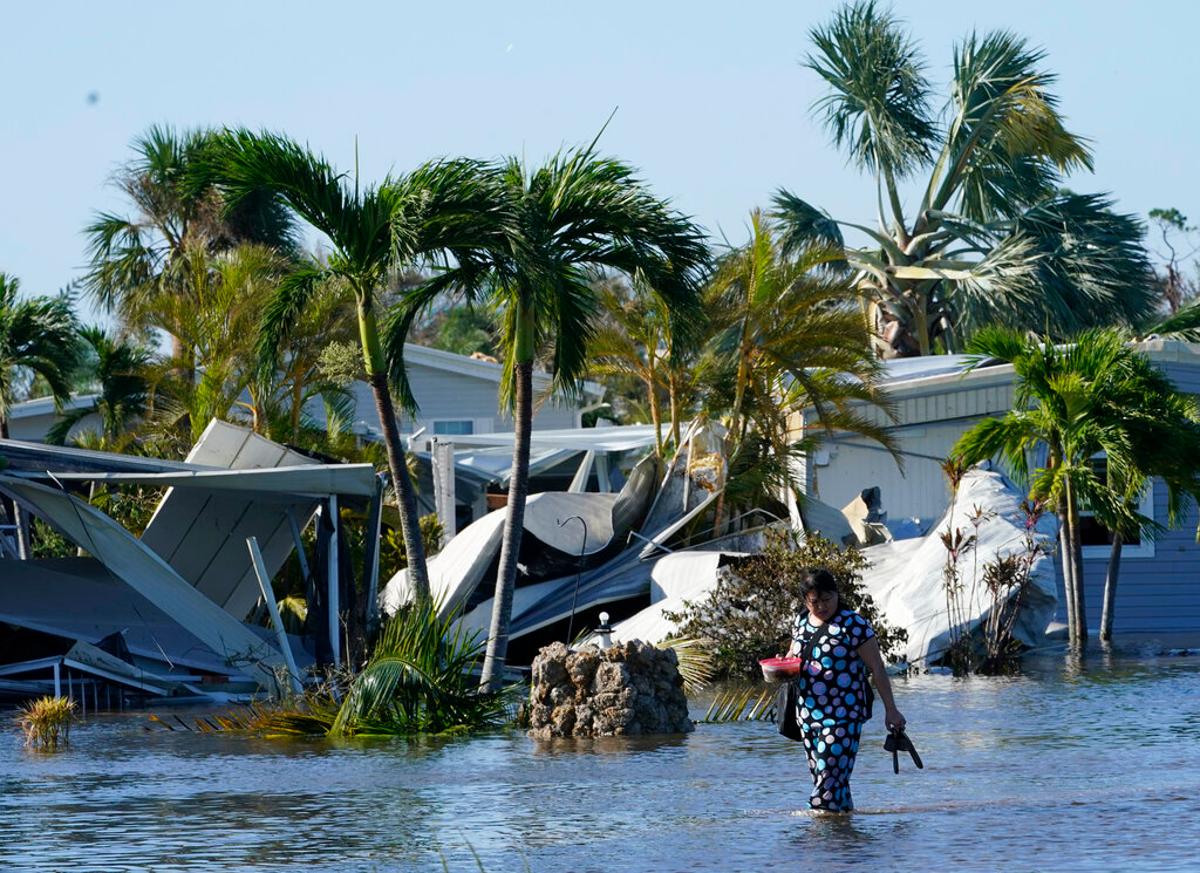
Climate Change Making Coastal Floods More Likely, Study Finds
Why It Matters
Accelerating flood risk threatens hundreds of millions of coastal residents and billions in property, forcing governments and insurers to reassess adaptation budgets.
Key Takeaways
- •1% annual flood risk now ~12× more likely, study shows.
- •Human‑driven warming dominates sea‑level rise since the 1960s.
- •58% of major flood days (2000‑2018) linked to climate change.
- •Risk likely understated; post‑2005 data missing from models.
- •Coastal protection costs must rise; funding mechanisms under scrutiny.
Pulse Analysis
The latest research published in Nature Climate Change quantifies a dramatic shift in the frequency of extreme coastal flooding. By stitching together more than a century of tide‑gauge observations from over 100 stations and calibrating them against state‑of‑the‑art climate simulations, the authors demonstrate that events once deemed a 1‑in‑100‑year occurrence are now roughly twelve times more common. The analysis isolates the post‑1960 era as the turning point when anthropogenic greenhouse‑gas emissions eclipsed natural variability as the primary driver of sea‑level rise, suggesting that the historical baseline for flood risk is no longer reliable.
These findings have immediate ramifications for municipal planners, insurers, and investors. Existing flood defenses—such as levees around New Orleans or sea walls in the Netherlands—were designed under assumptions that vastly underestimate present exposure. Upgrading or retrofitting this infrastructure will require billions of dollars, raising questions about cost allocation between federal, state, and private stakeholders. Moreover, actuarial models used by the reinsurance industry must incorporate the heightened probability to avoid underpricing risk, while public‑private partnerships could become the norm for financing resilient coastal projects.
The study also dovetails with a parallel paper in Science Advances, which attributes 58 percent of large‑scale flood days between 2000 and 2018 to climate change. Together they reinforce the narrative that every extreme surge now carries a human fingerprint. While the trajectory of sea‑level rise can be slowed by aggressive decarbonization—accelerating the global shift toward solar, wind, and other renewables—the window for meaningful mitigation is narrowing. Policymakers therefore face a dual challenge: curb emissions to limit future rise and simultaneously invest in adaptive measures to protect vulnerable shorelines today.
Climate Change Making Coastal Floods More Likely, Study Finds
Comments
Want to join the conversation?
Loading comments...