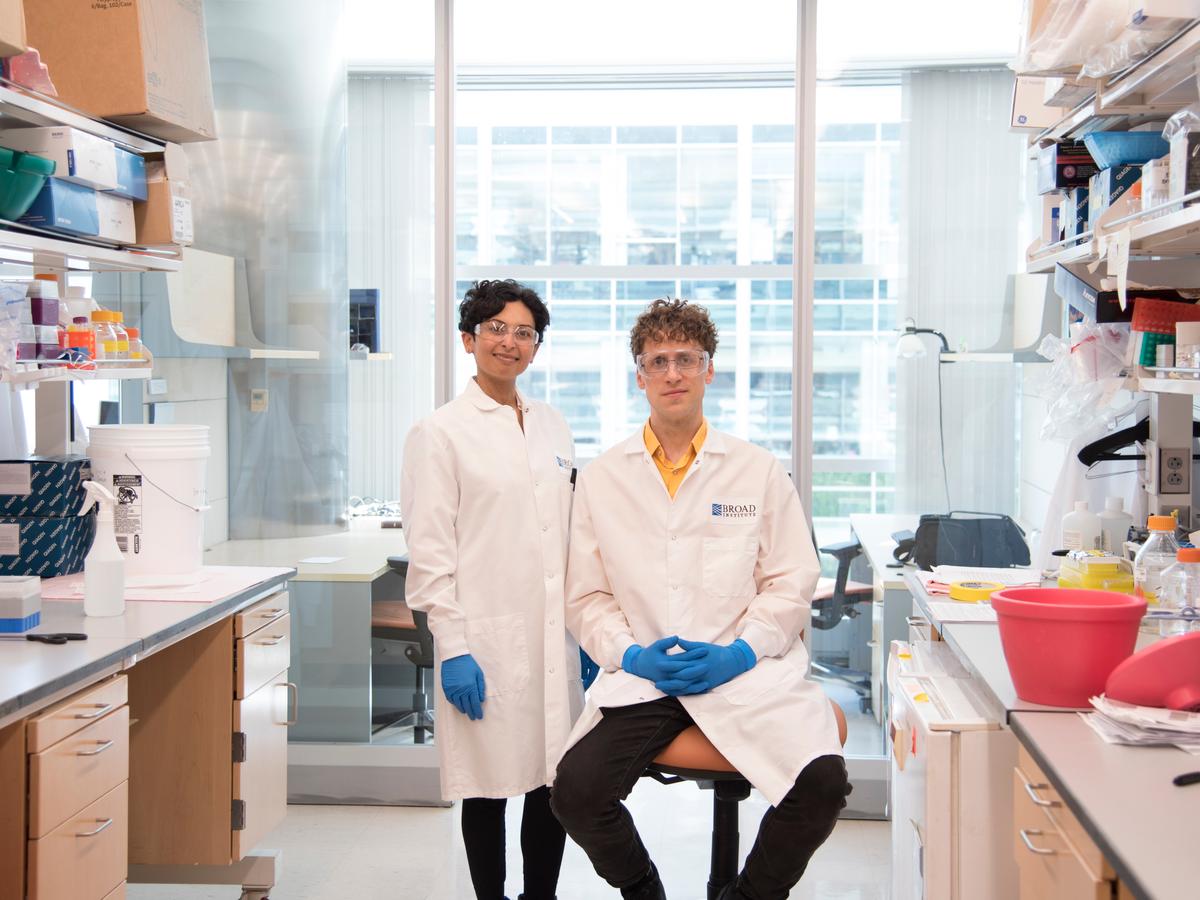
Clinical Trial of a Prion Disease Drug Candidate Begins Enrolling Participants
Why It Matters
This trial marks the inaugural human test of an RNA‑based approach for fatal prion disorders, offering a potential disease‑modifying therapy and a transparent data model that could accelerate development across rare neurodegenerative diseases.
Key Takeaways
- •Phase 1 trial enrolls 15 symptomatic prion disease patients.
- •Drug is a divalent siRNA reducing prion protein expression.
- •FDA cleared IND in March 2025; investigators published filing publicly.
- •Preclinical mouse study showed 49% protein knockdown, 64% longer survival.
- •NeuroNEXT funds trial infrastructure, supporting rare neurodegenerative research.
Pulse Analysis
Prion diseases, including Creutzfeldt‑Jakob and fatal familial insomnia, are rapidly progressive neurodegenerative disorders caused by misfolded prion protein accumulating in the brain. With no approved therapies and survival measured in months to a few years after symptom onset, they represent a stark unmet medical need. Traditional drug discovery has struggled to target the intracellular prion protein, prompting researchers to explore gene‑silencing technologies. RNA interference, particularly small interfering RNA (siRNA), offers a way to reduce the production of the pathogenic protein at its source, a strategy that has only recently become feasible in humans.
The investigational therapy entering phase 1, dubbed PRiSM, is a divalent siRNA engineered by the Broad Institute and UMass Chan to bind prion protein mRNA and trigger its degradation. In mouse models the molecule cut prion protein levels by roughly 49 % and extended survival by 64 % after a single dose given at symptom onset. The U.S. FDA granted IND clearance in March 2025, and the trial’s sponsors have published the IND dossier publicly—a rare move that underscores a commitment to open science. The study will enroll 15 patients to evaluate safety, tolerability, and target engagement.
Beyond its therapeutic promise, the trial illustrates how public‑private partnerships can de‑risk rare‑disease drug development. Funding and operational support from NeuroNEXT, the NIH‑run network for neuroscience trials, provides a ready-made infrastructure that accelerates patient recruitment and data collection. If the siRNA demonstrates a favorable safety profile, it could pave the way for larger efficacy studies and potentially a first‑in‑class disease‑modifying treatment for prion disorders. The open‑data approach also offers a template for other biotech firms seeking to foster collaboration and speed translation in the broader neurodegenerative space.
Clinical trial of a prion disease drug candidate begins enrolling participants
Comments
Want to join the conversation?
Loading comments...