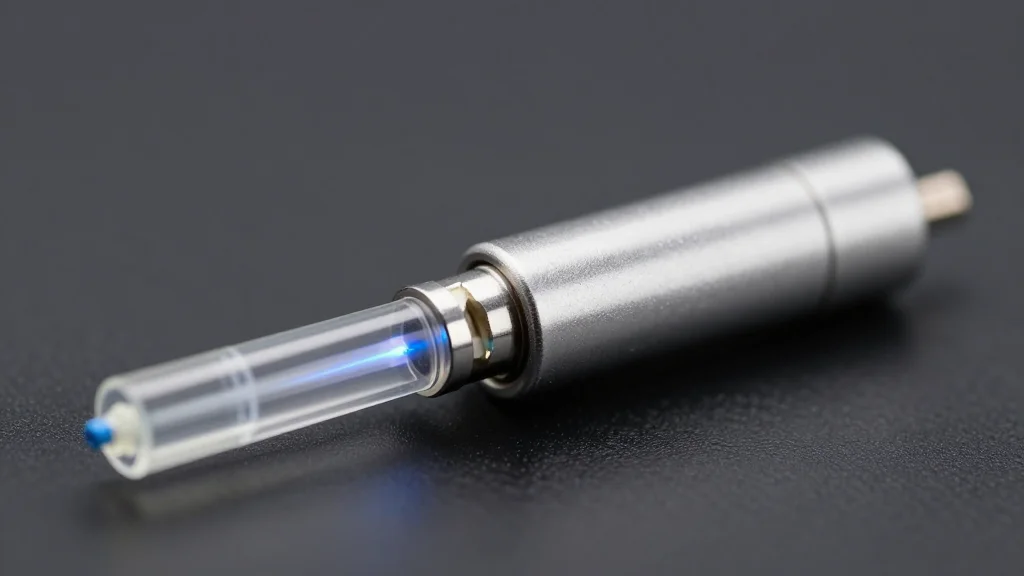
Combining Ion Pumps and Click Chemistry Enables Precise Drug Release in the Body
Why It Matters
By allowing electronic control of drug activation at the exact site and time of need, the platform could dramatically reduce systemic side effects and open implantable delivery to high‑value biologics, reshaping precision medicine and creating new revenue streams for pharma and med‑tech firms.
Key Takeaways
- •Ion pumps now deliver trigger molecules, not the drug itself.
- •Click‑to‑release chemistry activates immobilized drugs at target sites.
- •Technology expands electronic drug delivery to large biomolecules.
- •Precise timing reduces dosage and side effects in cancer therapy.
- •Patents filed; study appears in Nature Communications.
Pulse Analysis
The quest for site‑specific drug delivery has long been hampered by the fact that conventional oral or intravenous dosing distributes the active compound throughout the body, with only a minuscule fraction reaching the intended lesion. Electronic ion pumps, first demonstrated at Linköping University, offered a way to push charged molecules directly from an implanted device, but their membranes only accept small, electrically charged agents. This size and charge restriction excluded many high‑value therapeutics such as monoclonal antibodies, peptides, and other biologics, limiting the technology’s commercial relevance.
The Vienna team solved this bottleneck by pairing ion pumps with bio‑orthogonal click‑to‑release chemistry. Instead of ferrying the drug, the pump releases a tiny “chemical scissors” molecule that cleaves a pre‑installed linker, liberating the drug only where the implant sits. Laboratory tests with cultured cells showed millisecond‑scale control over trigger release and dose titration, while the immobilized drug remained inert elsewhere. By decoupling transport from activation, the approach widens the therapeutic envelope to include large biomolecules and enables chronotherapy—delivering drugs at optimal circadian windows.
From a business perspective, the hybrid platform opens a new market segment for implantable, programmable drug‑delivery systems that can command premium pricing and generate recurring revenue through refill cartridges of trigger molecules. Early‑stage patents and a Nature Communications paper give the researchers a defensible IP foothold, while the involvement of Linköping University and the Medical University of Graz signals a broad European collaboration that could accelerate clinical trials. If safety and long‑term reliability are demonstrated, oncology, endocrinology and neurology could see a wave of localized therapies that dramatically cut systemic toxicity and improve patient adherence.
Combining ion pumps and click chemistry enables precise drug release in the body
Comments
Want to join the conversation?
Loading comments...