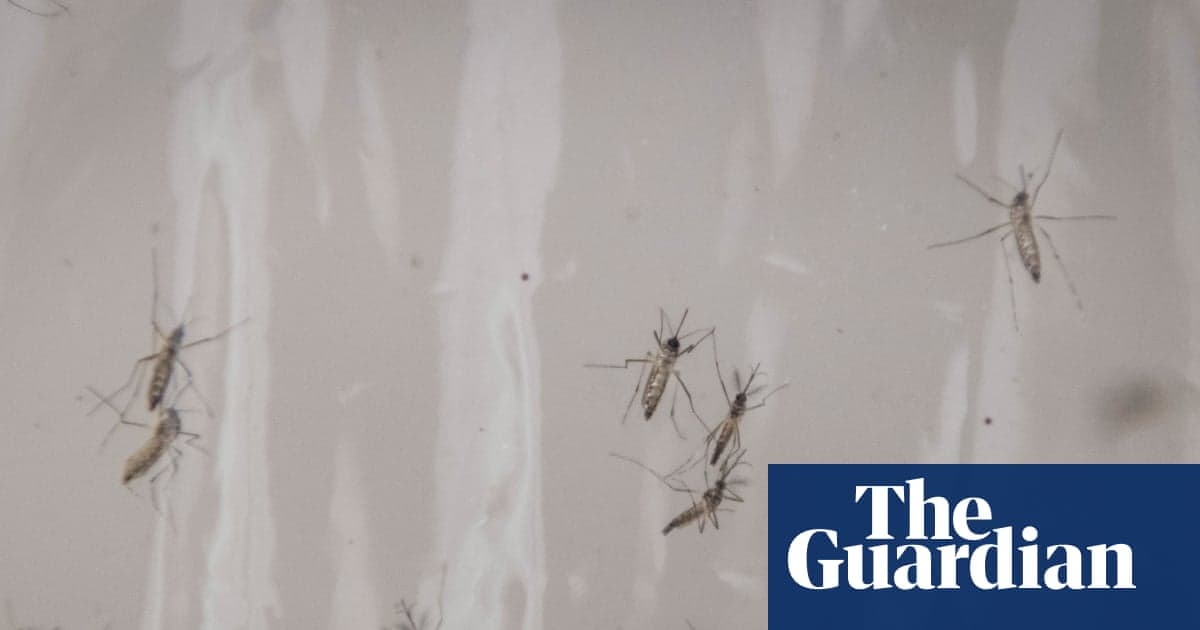
Debugging: Google Requests Permission to Release 32m Mosquitoes in California and Florida
Companies Mentioned
Why It Matters
If approved, the release could dramatically lower disease‑carrying mosquito populations in two high‑risk U.S. states, offering a pesticide‑free alternative to traditional vector control. The initiative also signals a new frontier where big‑tech data and biotech converge on public‑health challenges.
Key Takeaways
- •Google seeks EPA permit for 32 million sterile mosquitoes
- •Wolbachia‑infected males block mosquito reproduction
- •Singapore trials cut Aedes aegypti by up to 90%
- •AI‑driven rearing aims to scale mosquito production efficiently
Pulse Analysis
The sterile insect technique, first deployed against agricultural pests, is now being repurposed for public‑health use. Google’s Debug program, spun out of Verily Health, combines biotech with automation to mass‑produce Wolbachia‑infected male Aedes aegypti. By engineering an automated rearing line that uses computer‑vision to separate sexes, the company hopes to overcome the labor‑intensive bottlenecks that have limited past releases. The recent acquisition of Debug from Verily underscores Alphabet’s commitment to scaling the technology beyond research labs.
Regulatory scrutiny is central to the U.S. rollout. The EPA’s experimental‑use permit process includes a public comment window that closes on June 5, after which the agency will assess ecological safety, non‑target impacts, and the efficacy data from Singapore and other pilot sites. If granted, the permits would allow up to 16 million sterile males per year in each state, a scale unprecedented in American vector control. Compared with chemical insecticides, the biological approach promises reduced environmental toxicity and longer‑lasting population suppression, but it also raises questions about monitoring, community acceptance, and potential resistance.
Google’s foray into mosquito control illustrates a broader trend of technology firms tackling health challenges traditionally handled by governments and NGOs. Leveraging AI, sensor networks, and cloud‑based analytics, the company can map breeding hotspots, optimize release timing, and rapidly iterate on production methods. Success could catalyze similar biotech‑tech collaborations, accelerating the deployment of data‑driven, environmentally friendly solutions worldwide. However, scaling from controlled trials to diverse U.S. ecosystems will require robust partnerships with local health agencies, transparent communication, and ongoing evaluation of public‑health outcomes.
Debugging: Google requests permission to release 32m mosquitoes in California and Florida
Comments
Want to join the conversation?
Loading comments...