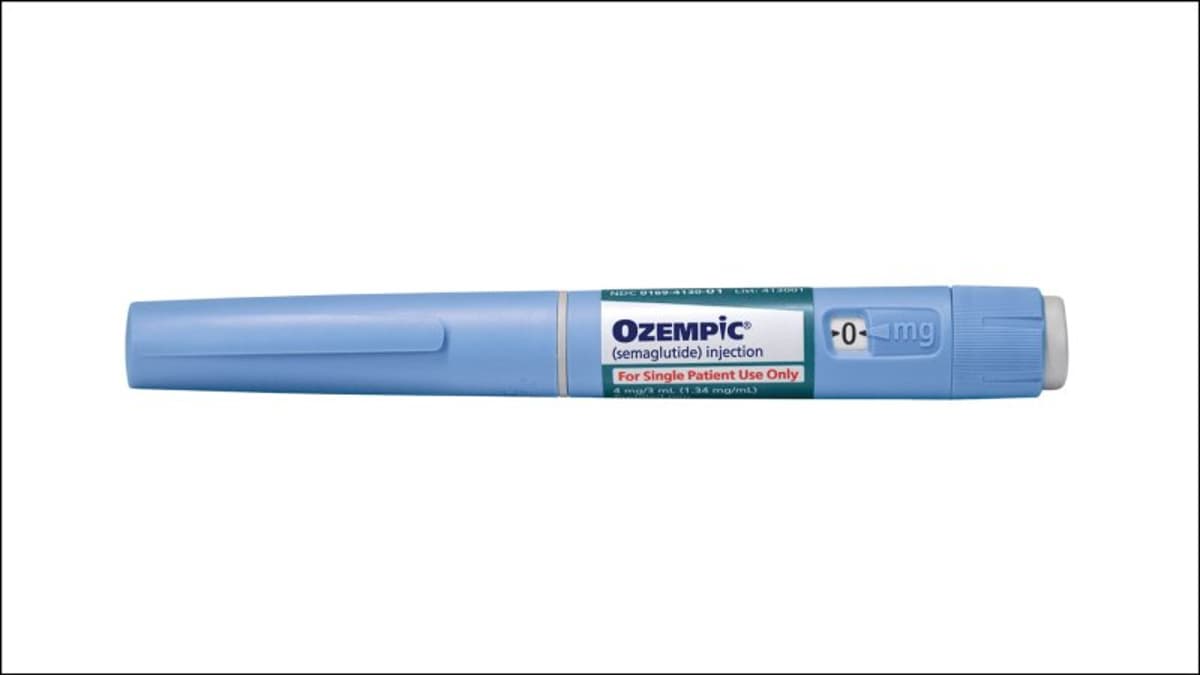
Do GLP-1 Drugs Like Ozempic Prevent Cancer?
Why It Matters
If GLP‑1 drugs prove to lower cancer risk, their therapeutic value would expand beyond weight loss and diabetes, shaping prescribing practices for millions of patients.
Key Takeaways
- •Observational studies suggest reduced obesity‑related cancer risk with GLP‑1 drugs
- •Some data indicate no cancer benefit and a possible kidney cancer signal
- •Newer agents like tirzepatide lack long‑term cancer outcome data
- •Researchers call for randomized trials and real‑world evidence to clarify effects
Pulse Analysis
The rapid adoption of GLP‑1 receptor agonists—originally approved for type 2 diabetes and now widely used for weight management—has sparked a broader inquiry into their systemic effects. With drugs like semaglutide (Ozempic, Wegovy, Rybelsus) and tirzepatide (Mounjaro, Zepbound) now accounting for billions in annual sales, clinicians and investors alike are keen to understand any ancillary benefits, including potential cancer prevention. The oral formulation Foundayo further lowers barriers to long‑term use, amplifying the urgency for robust safety data across diverse patient populations.
Evidence to date is fragmented. Large cohort studies have reported modest reductions in obesity‑related cancers, plausibly tied to weight loss‑driven hormonal shifts that lower insulin, leptin, and chronic inflammation—known drivers of tumorigenesis. Conversely, other analyses find no statistically significant cancer risk reduction and flag a modest rise in kidney‑cancer incidence among GLP‑1 users. Animal models have raised theoretical concerns about thyroid C‑cell hyperplasia, though human data remain reassuring. This heterogeneity reflects differences in study design, drug exposure duration, and the inclusion of newer agents that lack long‑term follow‑up.
Looking ahead, the field hinges on a blend of randomized controlled trials and high‑quality real‑world evidence. Trials must balance cancer endpoints with feasible follow‑up periods, perhaps leveraging surrogate biomarkers or nested case‑control designs within existing weight‑loss studies. Real‑world registries can capture diverse demographics and off‑label use, offering complementary insights. For clinicians, the current takeaway is cautious optimism: GLP‑1 drugs are powerful metabolic tools, but definitive cancer‑preventive claims await stronger data. Patients should discuss individual risk profiles with their physicians, maintaining healthy lifestyle habits alongside pharmacotherapy.
Do GLP-1 drugs like Ozempic prevent cancer?
Comments
Want to join the conversation?
Loading comments...