Eating For Immune Health? Don't Forget About This Key Nutrient
Why It Matters
The research uncovers a direct diet‑microbiome‑immune axis, suggesting that everyday food choices can modulate gut immunity through microbial metabolism. For the health‑tech and functional‑food sectors, it highlights a tangible target for products that boost choline intake or support ACh‑producing microbes.
Key Takeaways
- •Gut bacteria turn dietary choline into acetylcholine.
- •Bacterial acetylcholine raises intestinal IgA levels.
- •Higher IgA improves resistance to gut infections in mice.
- •Choline‑rich foods like eggs and salmon feed ACh‑producing microbes.
- •Fermented foods supply probiotic strains that support this pathway.
Pulse Analysis
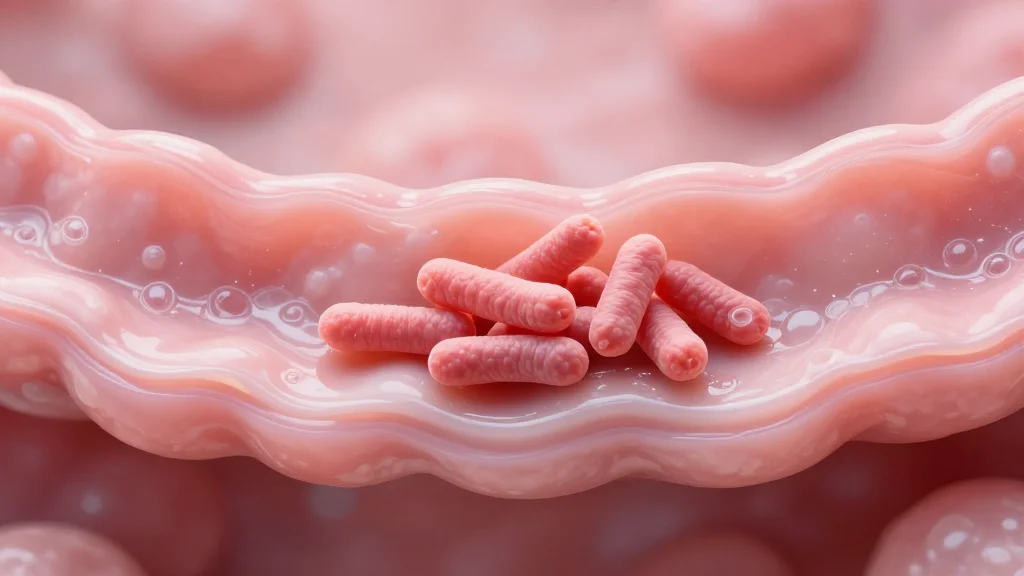
The study’s strength lies in its in‑vivo approach, using a high‑throughput receptor‑screening platform to monitor how 100 gut strains interact with host chemistry. By comparing bacteria grown in petri dishes with those colonizing live mice, researchers discovered that only when choline is present in the diet do specific microbes synthesize acetylcholine. This metabolic shortcut bypasses the host’s own nerve‑signaling pathways, directly feeding the gut’s immune machinery and reshaping the broader microbial ecosystem.
Acetylcholine’s impact on IgA production is especially noteworthy. IgA coats the intestinal epithelium, neutralizing pathogens while preserving beneficial microbes. The mouse experiments demonstrated that ACh‑producing B. breve boosted IgA levels and conferred measurable protection against bacterial challenges. For nutritionists and biotech firms, the data suggest that choline‑rich foods—eggs, liver, legumes, salmon—could be leveraged as functional ingredients to nurture ACh‑producing strains. Likewise, fermented products containing Pediococcus spp. may act as natural delivery vehicles for these probiotic enzymes, opening avenues for next‑generation gut‑health supplements.
Translating these findings to humans will require clinical trials, but the mechanistic clarity offers a roadmap. Future research may explore whether choline supplementation or targeted probiotic formulations can elevate intestinal IgA in people, potentially reducing infection risk and supporting vaccine efficacy. Meanwhile, consumers can adopt practical steps: prioritize choline‑dense foods, maintain dietary fiber to sustain microbial diversity, and incorporate fermented foods to seed beneficial strains. As the microbiome field matures, such diet‑driven strategies could become mainstream tools for bolstering immune resilience.
Eating For Immune Health? Don't Forget About This Key Nutrient
Comments
Want to join the conversation?
Loading comments...