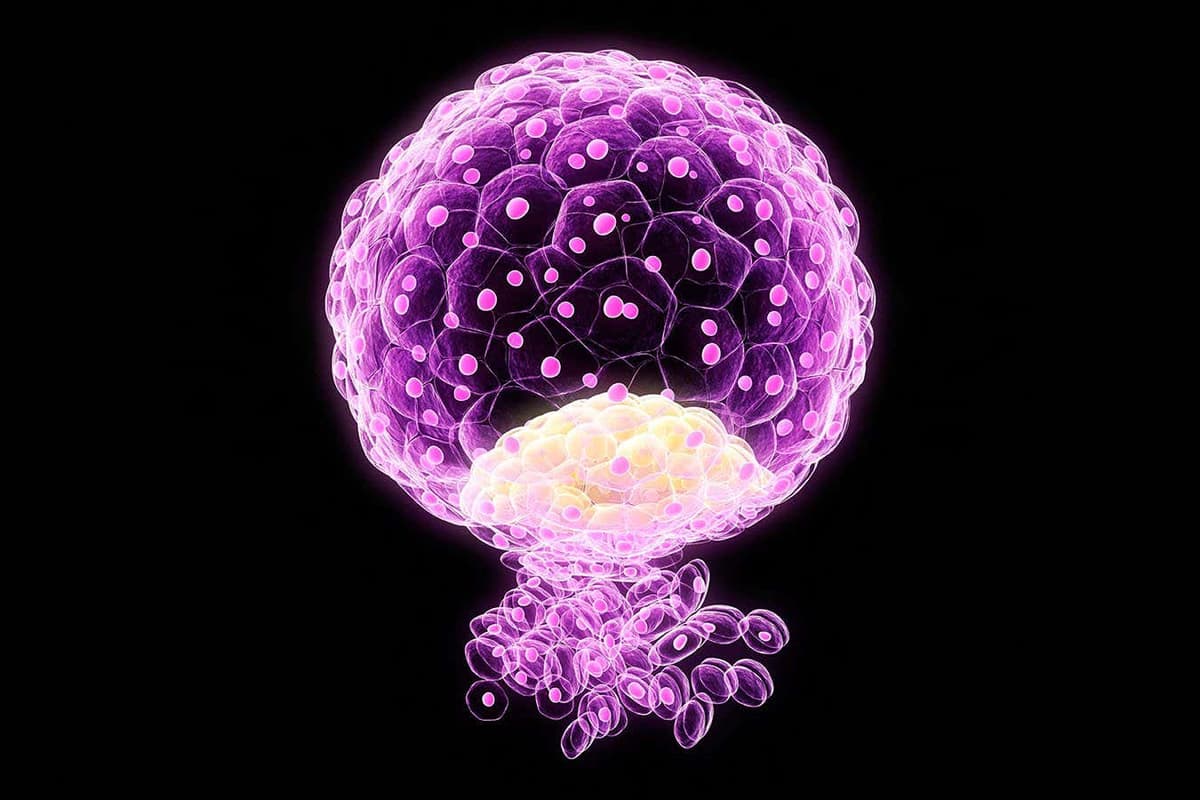
Embryos Made without Sperm or Eggs Reveal Why Many Pregnancies Fail
Why It Matters
Blastoids give clinicians a tool to pinpoint implantation failures, potentially boosting IVF success rates and accelerating drug development for pregnancy complications.
Key Takeaways
- •Stem‑cell blastoids mimic early human embryos without sperm or eggs
- •Only ~33% of embryos implant; IVF failure rate ~60%
- •Blastoids enable drug testing for miscarriage and pre‑eclampsia
- •Researchers can perturb models to study implantation mechanisms
- •Ethical debate grows as models approach later developmental stages
Pulse Analysis
The past five years have seen a rapid emergence of stem‑cell‑derived embryo models, known as blastoids, that recapitulate the structure and gene‑expression profile of a natural blastocyst. Unlike conventional embryos, blastoids are assembled from induced pluripotent stem cells without fertilisation, sidestepping the need for donor eggs or sperm. This technical breakthrough gives scientists a transparent, manipulable platform to observe the first week of human development—particularly the critical implantation window that has remained hidden inside the uterus. Early studies already reveal cellular cues that dictate whether a embryo successfully attaches.
From a commercial perspective, blastoids promise to reshape the assisted‑reproductive‑technology (ART) market. Current IVF cycles suffer a 60 % failure rate, largely because implantation defects are invisible until pregnancy is confirmed. By exposing these defects in vitro, pharmaceutical firms can screen compounds that enhance uterine receptivity or rescue compromised embryos, potentially lowering cycle costs and improving success odds for patients. Moreover, the models provide a humane alternative for testing therapies aimed at miscarriage prevention and pre‑eclampsia, accelerating drug pipelines that have long been hampered by a lack of relevant human tissue.
The rapid scientific progress also raises profound ethical and regulatory questions. While blastoids are not classified as embryos under many jurisdictions, their increasing fidelity to natural development blurs legal boundaries and may trigger stricter oversight. Stakeholders—from biotech investors to fertility clinics—must navigate a landscape where public perception, patent law, and bioethics intersect. Nonetheless, the ability to model early pregnancy in a dish positions blastoids as a strategic asset for companies seeking to differentiate their IVF offerings and for governments aiming to reduce the societal burden of infertility.
Embryos made without sperm or eggs reveal why many pregnancies fail
Comments
Want to join the conversation?
Loading comments...