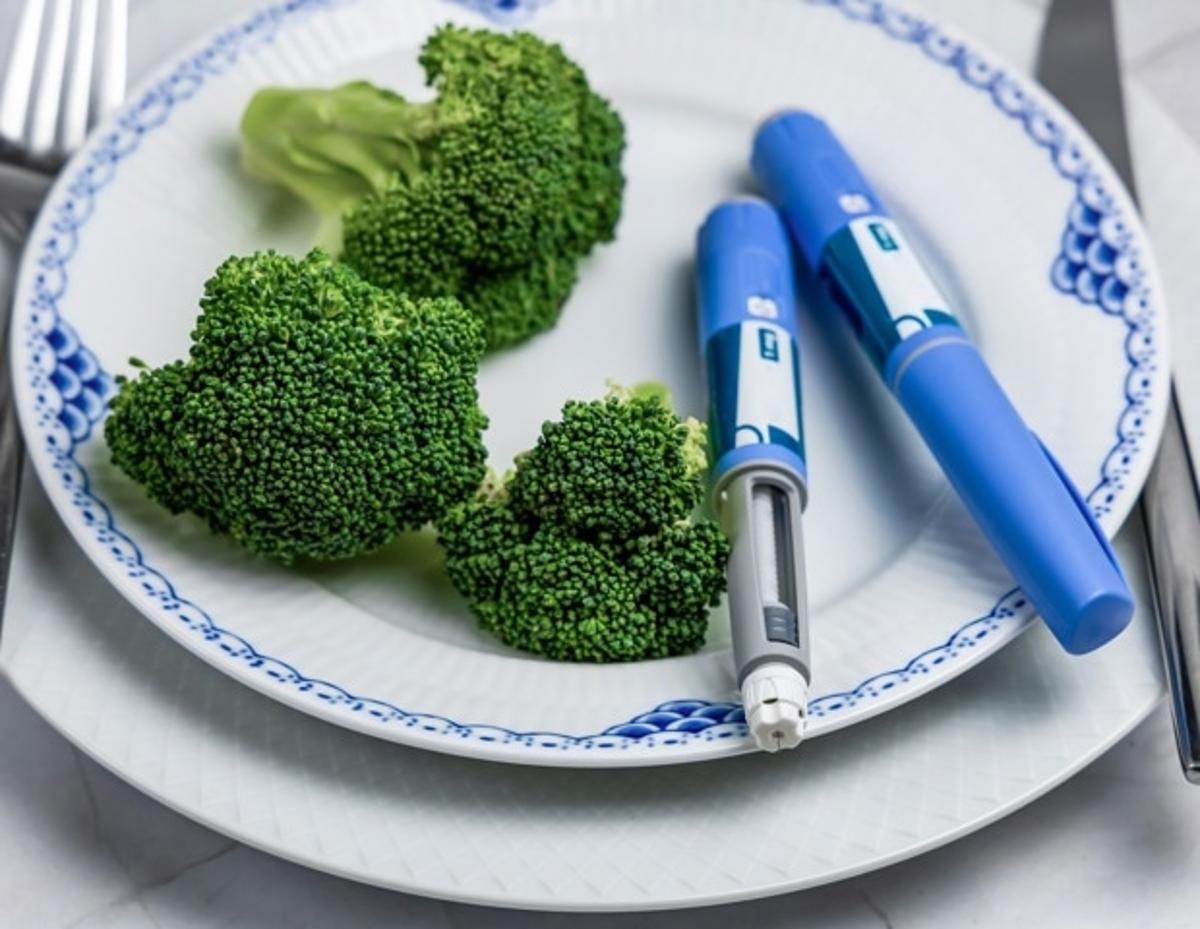
Endoscopic Sleeve Gastroplasty Outperforms Oral Semaglutide in Short-Term Weight Loss
Why It Matters
The findings position ESG as a viable, possibly superior alternative to oral GLP‑1 therapy for rapid obesity reduction, influencing treatment algorithms, payer coverage decisions, and patient choice.
Key Takeaways
- •ESG achieved 12.7% average weight loss at six months.
- •Oral semaglutide showed 8.7% average loss, 4% less than ESG.
- •70% of ESG patients hit ≥10% loss vs 43% with semaglutide.
- •36% of ESG patients reached ≥15% loss versus 7% on semaglutide.
- •Adverse events were mild and similar across both treatments.
Pulse Analysis
The six‑month results presented at ESGE Days 2026 add a decisive data point to the evolving obesity toolkit. Endoscopic sleeve gastroplasty, a single‑session endoluminal suturing technique that reduces gastric capacity, delivered an average 12.7 % total body weight loss—roughly four percentage points more than the 14 mg oral semaglutide regimen. While GLP‑1 receptor agonists have dominated headlines for their pharmacologic efficacy, the real‑world cohort of 150 patients demonstrates that a procedural approach can achieve faster, more pronounced reductions without increasing safety concerns. These findings narrow the evidence gap between device‑based and drug‑based therapies.
For health systems and insurers, the comparative performance raises questions about cost‑effectiveness and resource allocation. ESG incurs a one‑time procedural expense, but eliminates the recurring pharmacy costs and adherence challenges that accompany daily oral medication. Moreover, the higher proportion of patients reaching clinically meaningful thresholds—70 % achieving ≥10 % loss—suggests potential downstream savings in diabetes, cardiovascular, and hepatic complications. Providers, however, must weigh procedural availability, operator expertise, and patient suitability, especially in regions where endoscopic bariatric services remain limited.
The study’s limitations—retrospective design and lack of long‑term outcomes—underscore the need for prospective, head‑to‑head trials that track durability, metabolic markers, and quality‑of‑life metrics beyond six months. A hybrid model, pairing ESG with GLP‑1 agonists, could amplify weight‑loss trajectories while mitigating the rebound risk seen with monotherapy. As pharmaceutical pipelines continue to expand and endoscopic platforms gain FDA clearance, market dynamics are likely to shift toward personalized obesity care, where clinicians match procedural intensity and drug potency to individual patient profiles.
Endoscopic sleeve gastroplasty outperforms oral semaglutide in short-term weight loss
Comments
Want to join the conversation?
Loading comments...