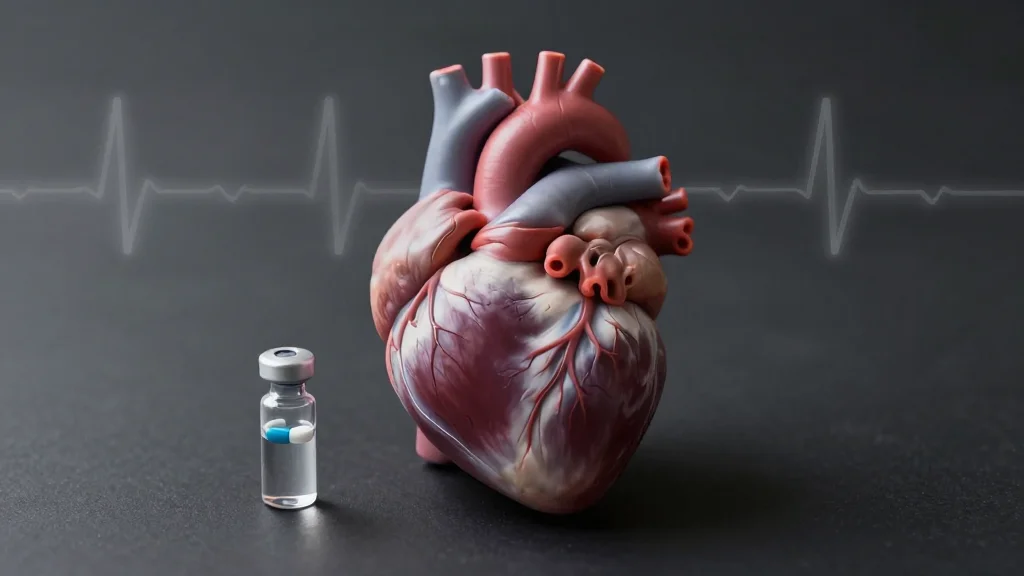
Examining the Cardioprotective Effects of Heart Failure Treatments in Patients with Cancer
Why It Matters
The findings show that established heart‑failure medications can preserve heart function in patients undergoing cancer treatment, reducing therapy interruptions and improving overall outcomes. They also expose a critical evidence gap for newer cardioprotective drugs in oncology settings.
Key Takeaways
- •RAAS inhibitors raise LVEF ~2.9% in cancer patients
- •Combined RAAS + beta‑blockers improve LVEF nearly 3%
- •MRAs show largest LVEF gain (~4.7%) but limited data
- •SGLT2 and statins also yield modest LVEF improvements
- •More randomized trials needed for newer cardio‑oncology therapies
Pulse Analysis
Cardio‑oncology has emerged as a pivotal field as oncologists grapple with the cardiotoxic side effects of chemotherapy and targeted agents. While the European Society of Cardiology’s 2021 and 2023 guidelines recommend repurposing heart‑failure drugs for patients showing early signs of cardiac dysfunction, the evidence base has largely rested on small trials and expert opinion. This meta‑analysis, presented at ESC Cardio‑Oncology 2026, aggregates data from 49 studies, offering the most comprehensive quantitative assessment to date of how these therapies influence left ventricular ejection fraction, a key marker of cardiac health.
The pooled results reveal that renin‑angiotensin‑aldosterone system (RAAS) inhibitors improve LVEF by nearly 3 percentage points, while beta‑blockers contribute a modest 1.2‑point gain. Notably, the combination of RAAS inhibition and beta‑blockade yields the strongest effect, approaching a 3‑point increase, underscoring a synergistic benefit. Mineralocorticoid receptor antagonists, though studied in only two trials, produced the largest single‑study improvement at 4.68%, while SGLT2 inhibitors and statins each delivered gains above 2.5%. These improvements translate into better tolerance of cancer regimens, potentially lowering dose reductions or discontinuations caused by cardiac decline.
Despite the encouraging signals, the analysis highlights a stark paucity of robust data for newer agents such as SGLT2 inhibitors and emerging cardioprotective drugs. The authors call for large‑scale, randomized trials to validate these findings and to explore optimal dosing strategies in the oncology context. For clinicians, the current evidence supports integrating RAAS inhibitors and beta‑blockers into cardio‑oncology protocols, while remaining vigilant for emerging research that could broaden the therapeutic arsenal. This evolving evidence base promises to enhance survivorship by safeguarding heart health without compromising cancer efficacy.
Examining the cardioprotective effects of heart failure treatments in patients with cancer
Comments
Want to join the conversation?
Loading comments...