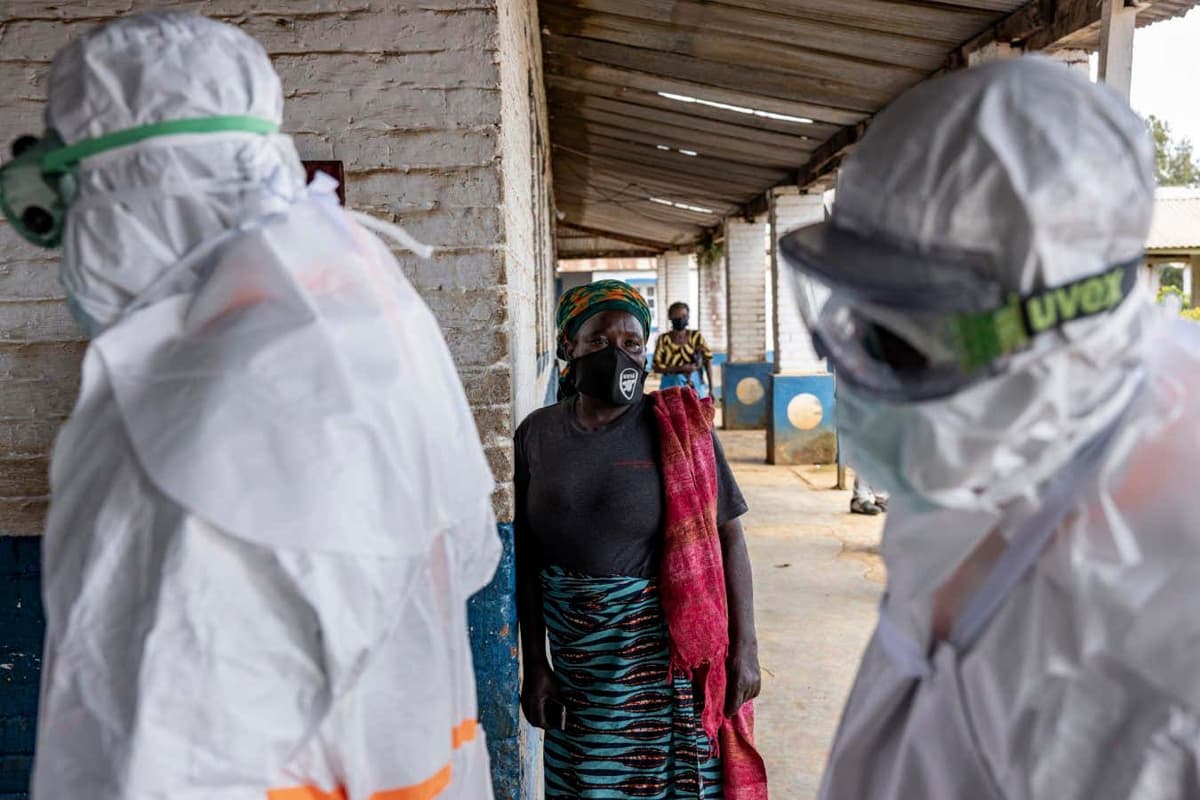
Experimental mRNA Vaccine May Protect Against Multiple Ebola Viruses
Why It Matters
A pan‑ebolavirus vaccine would streamline outbreak response, reduce vaccine stockpiling costs, and improve global health security against a deadly, rapidly mutating pathogen.
Key Takeaways
- •mRNA vaccine protects rodents from Zaire, Sudan, Bundibugyo strains
- •Bundibugyo outbreak exceeds 600 infections, WHO declares emergency
- •Broad protection could replace strain‑specific Ebola vaccines
- •Platform promises faster development for future filovirus threats
Pulse Analysis
The resurgence of Bundibugyo virus in Central Africa has reignited concerns about the limited scope of existing Ebola vaccines, which are typically tailored to a single strain. Traditional approaches require separate manufacturing runs for Zaire, Sudan, or other variants, creating logistical bottlenecks during fast‑moving outbreaks. By targeting conserved regions across orthoebolaviruses, the new mRNA candidate offers a strategic shift toward a universal solution, potentially curbing the spread before it reaches pandemic levels.
Preclinical trials in mice and guinea pigs demonstrated that a single dose of the mRNA construct generated neutralizing antibodies against Zaire, Sudan, and Bundibugyo viruses, with survival rates approaching 100 percent after lethal challenge. The mRNA platform’s modular design allows rapid sequence updates, meaning emerging strains can be incorporated without overhauling the manufacturing process. Moreover, the vaccine’s stability profile suggests easier cold‑chain requirements compared with viral‑vector alternatives, a critical advantage for deployment in remote African regions.
If human trials confirm these findings, the vaccine could reshape the global health architecture for filovirus preparedness. Regulators may fast‑track approval under emergency use pathways, while manufacturers could consolidate production lines, lowering costs and simplifying distribution. However, challenges remain, including scaling up mRNA synthesis, ensuring long‑term immunity, and navigating intellectual‑property landscapes. Successful commercialization would not only protect vulnerable populations but also set a precedent for multivalent mRNA vaccines against other high‑risk pathogens.
Experimental mRNA vaccine may protect against multiple Ebola viruses
Comments
Want to join the conversation?
Loading comments...