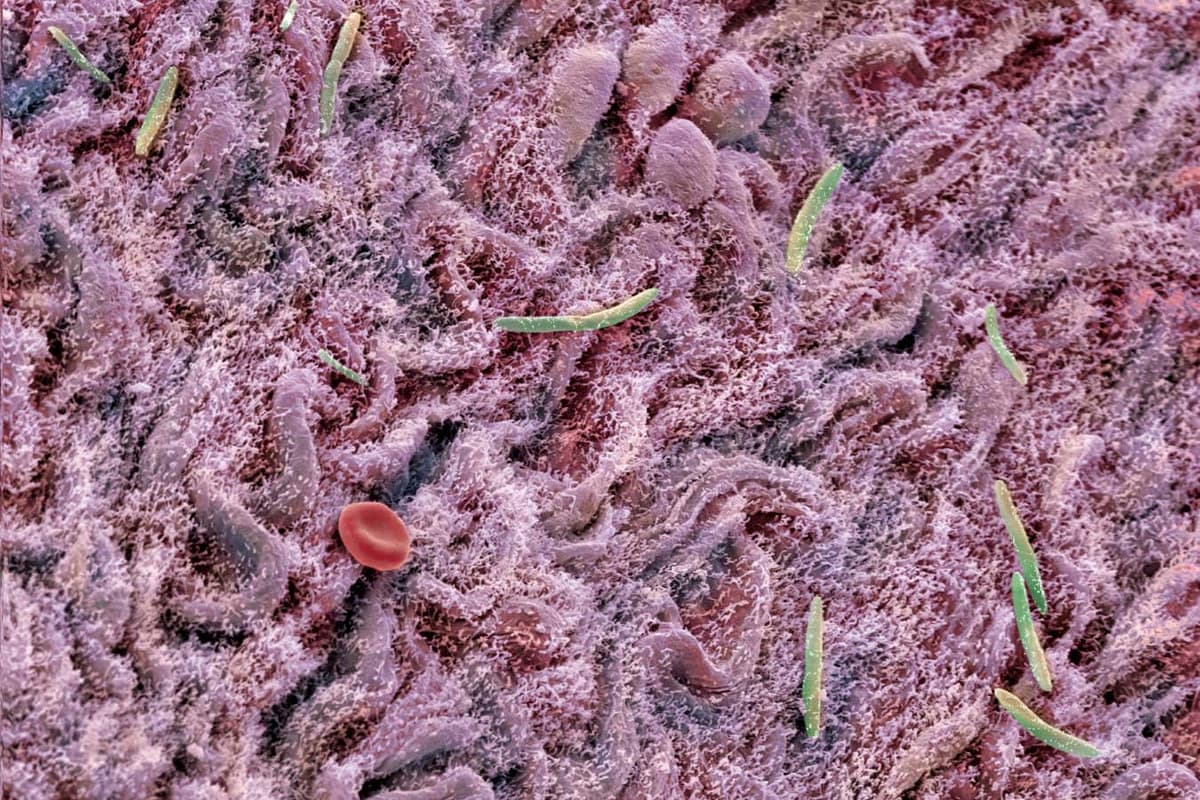
Faecal Transplant Makes the Brains of Old Mice Act Young Again
Companies Mentioned
Why It Matters
If gut microbes can reset brain plasticity, FMT could become a low‑risk therapy for age‑related neurodegeneration and vision disorders, reshaping geriatric medicine.
Key Takeaways
- •Young microbiome restores plasticity in aged mouse brains
- •FMT enables recovery from amblyopia‑like deficits in seniors
- •Gut‑brain axis emerges as target for neuro‑aging interventions
- •Study paves way for human trials of microbiome‑based brain rejuvenation
Pulse Analysis
The gut‑brain axis has moved from a curiosity to a central pillar of neuroscience, with microbial metabolites influencing mood, cognition, and immune signaling. Fecal microbiome transplantation, long used to treat recurrent Clostridioides difficile infections, is now being explored for metabolic and neuropsychiatric disorders. By swapping the intestinal communities of young and old mice, researchers can isolate the causal role of gut bacteria in brain health, bypassing genetic or environmental confounders that often blur human studies.
In the recent experiment, aged mice receiving a young donor microbiome showed a 35% increase in synaptic remodeling markers and regained visual acuity after a period of induced amblyopia. Electrophysiological recordings revealed restored long‑term potentiation, a hallmark of learning capacity. The transplanted microbes produced higher levels of short‑chain fatty acids and tryptophan metabolites, which cross the blood‑brain barrier and modulate neuroinflammation. These biochemical shifts appear to reactivate dormant neural circuits, effectively making the old brain behave like a youthful one.
The implications extend beyond rodent vision. If similar mechanisms operate in humans, FMT could become a scalable, non‑pharmacological strategy to combat age‑related cognitive decline, Alzheimer’s disease, and even psychiatric conditions linked to dysbiosis. However, translating mouse findings to patients requires rigorous safety profiling, donor screening, and standardized delivery methods. Ongoing clinical trials are beginning to test microbiome‑based interventions for mild cognitive impairment, positioning the gut as a therapeutic frontier for the aging population.
Faecal transplant makes the brains of old mice act young again
Comments
Want to join the conversation?
Loading comments...