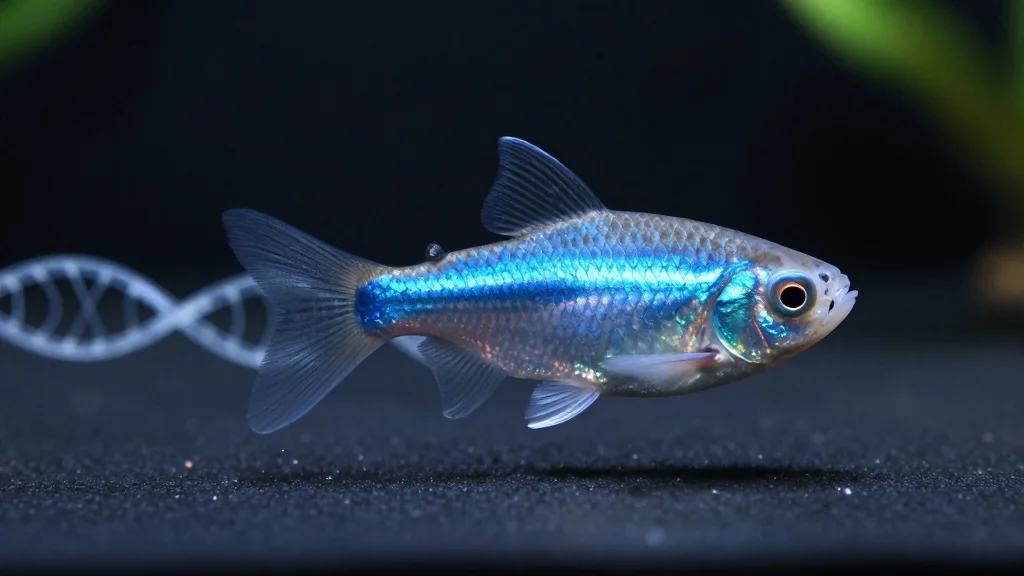
Genetic Trade-Off Linking Early Reproduction to Aging and Cancer Uncovered
Why It Matters
The discovery validates a key evolutionary hypothesis and opens a pathway to separate growth benefits from aging‑related disease, potentially guiding future anti‑cancer and longevity interventions. Its relevance to human biology could reshape strategies for early‑life health management and age‑related disease prevention.
Key Takeaways
- •vgll3 drives faster growth and earlier maturity in killifish
- •Edited fish show shorter lifespans and higher tumor rates
- •Findings support antagonistic pleiotropy theory in vertebrates
- •Human‑conserved gene may inform aging and cancer therapies
Pulse Analysis
The new Nature Communications paper provides the first functional evidence that a single gene can create a trade‑off between early reproductive success and later health decline. By leveraging the short lifespan and genetic tractability of the African turquoise killifish, the team showed that CRISPR‑mediated disruption of vgll3 accelerates growth and puberty but also compromises DNA repair and stem‑cell regulation, leading to premature mortality and melanoma‑like cancers. This experimental validation of antagonistic pleiotropy, a cornerstone of evolutionary biology, bridges a gap that has persisted for decades.
Beyond confirming theory, the research has practical implications for human health. Vgll3 variants have been linked to puberty timing and hormone levels in genome‑wide studies, but functional data were lacking. The conserved nature of the gene suggests that similar mechanisms may operate in humans, where early‑life growth signals could predispose individuals to age‑related cancers. Understanding how vgll3 orchestrates cell‑division pathways offers a target for interventions that could decouple rapid development from oncogenic risk, a prospect that excites both geroscience and oncology fields.
The study also expands the methodological toolkit for aging research. The newly created immunodeficient killifish model enables tumor cell transplantation, allowing scientists to study cancer progression in a vertebrate with a compressed lifespan. This platform could accelerate pre‑clinical testing of anti‑cancer drugs and longevity therapeutics, providing a faster, cost‑effective alternative to traditional mammalian models. As the field moves toward precision interventions that extend healthspan, insights from vgll3 may become a cornerstone for designing strategies that promote youthful vigor without the hidden cost of later‑life disease.
Genetic Trade-Off Linking Early Reproduction to Aging and Cancer Uncovered
Comments
Want to join the conversation?
Loading comments...