GLP-1s May Help Prevent Metastatic Progression of Cancer
Companies Mentioned

Why It Matters
If validated, GLP‑1 agonists could become a dual‑purpose therapy, improving metabolic health while reducing cancer metastasis, reshaping oncology‑endocrinology treatment strategies.
Key Takeaways
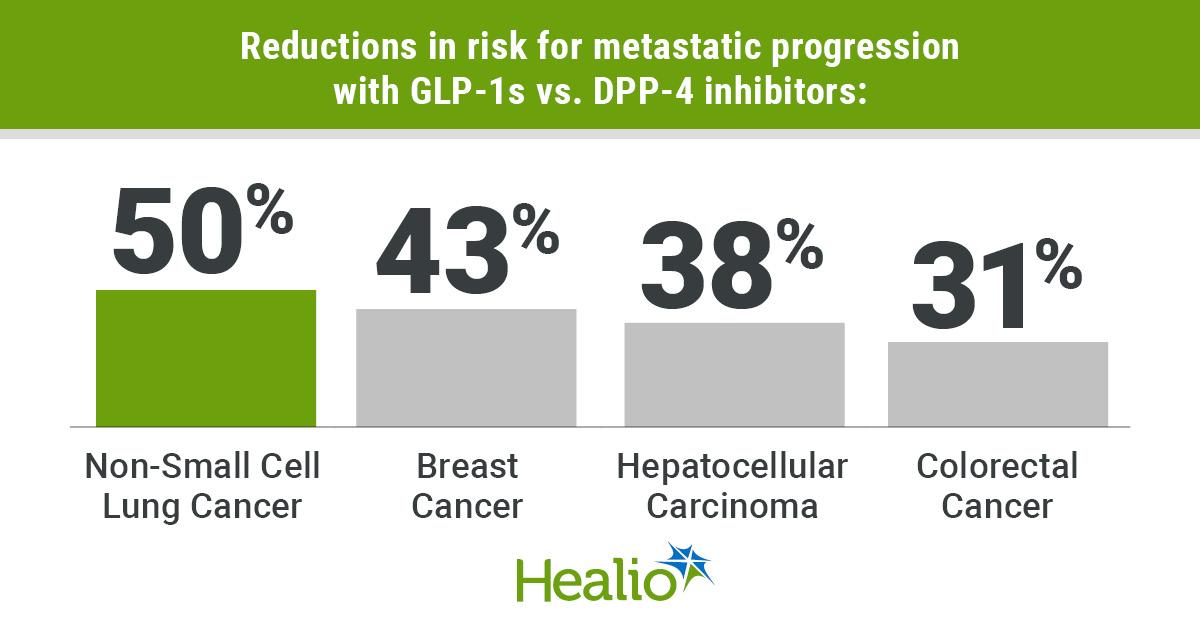
- •GLP‑1 users cut metastasis risk 31‑50% vs DPP‑4.
- •Significant hazard reductions in breast, colorectal, liver, lung cancers.
- •Study analyzed 10,225 GLP‑1 patients, 12,112 DPP‑4 controls.
- •No increase in pancreatitis or other adverse events observed.
- •High tumor GLP‑1 expression linked to 33% lower mortality.
Pulse Analysis
The ASCO‑presented retrospective cohort leveraged the TriNetX platform, which aggregates de‑identified records from over 150 million patients worldwide, to compare metastatic outcomes in early‑stage cancer patients receiving GLP‑1 receptor agonists versus DPP‑4 inhibitors. By applying propensity‑score matching and adjusting for age, BMI, comorbidities and cancer therapies, the analysis revealed consistent hazard reductions across four major tumor types—breast, colorectal, hepatocellular and non‑small cell lung cancer—suggesting a potentially class‑wide protective effect against disease spread.
Biological plausibility for these observations stems from the anti‑inflammatory and immune‑modulatory properties of GLP‑1 agents, which have been shown to lower chronic systemic inflammation—a known driver of tumor progression. Moreover, higher GLP‑1 receptor expression within tumor tissue correlated with a 33 % lower mortality risk, hinting at a direct tumor‑cell interaction. Prior retrospective work linked GLP‑1 use to improved outcomes in specific malignancies, but this study is the first to demonstrate a broad, statistically significant association with reduced metastatic conversion across multiple cancer sites.
The findings arrive as GLP‑1 agonists become mainstream for obesity and type 2 diabetes, with roughly 12 % of U.S. adults currently on therapy. Should prospective, ideally randomized, trials confirm these benefits, clinicians may consider GLP‑1 agents as adjuncts in oncology protocols for patients with metabolic risk factors. Such a shift could expand the market for these drugs, influence prescribing guidelines, and spark new research funding aimed at elucidating the mechanistic pathways linking metabolic control to cancer metastasis.
GLP-1s may help prevent metastatic progression of cancer
Comments
Want to join the conversation?
Loading comments...