GLP-1s May Not Raise DKA, Pancreatitis Risk in Type 1 Diabetes
Companies Mentioned
Why It Matters
If GLP‑1 agonists can be used safely in type 1 diabetes, clinicians gain a potent tool for weight management without adding DKA risk, potentially improving metabolic outcomes and reducing overall hospital utilization.
Key Takeaways
- •Study of 7,377 type 1 diabetics found no DKA admissions among GLP‑1 users
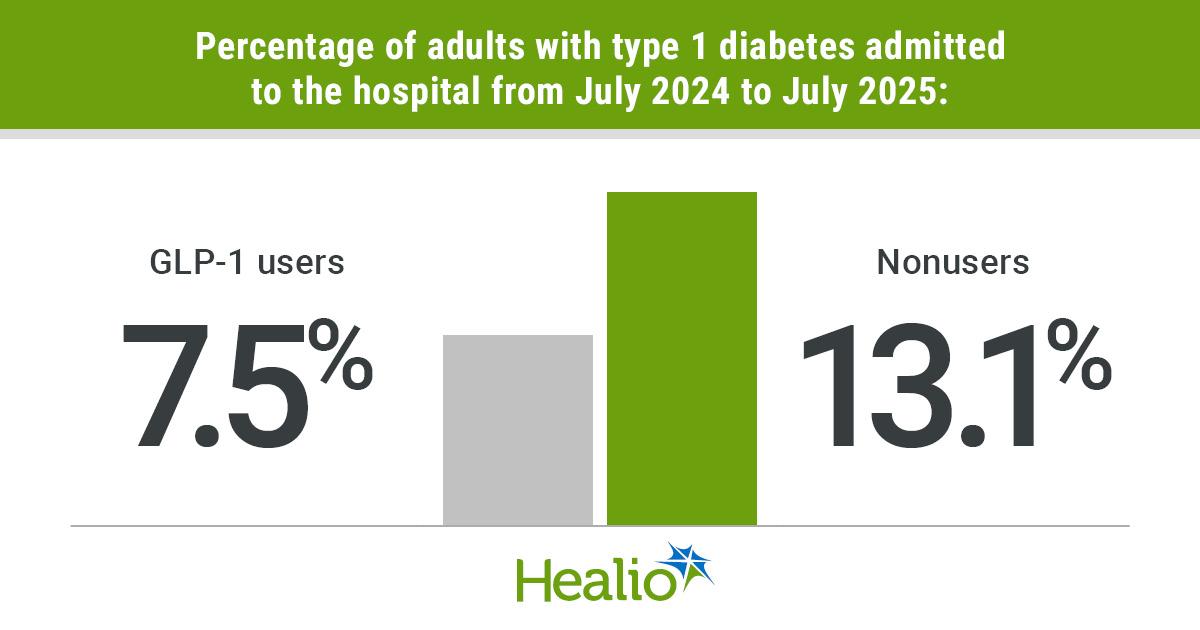
- •Hospitalization rate was 7.5% for GLP‑1 users vs 13.1% for non‑users
- •Majority of GLP‑1 users received semaglutide, an FDA‑approved obesity drug
- •Study limited to single center, one‑year follow‑up, no dose data
Pulse Analysis
The off‑label use of GLP‑1 receptor agonists in type 1 diabetes has surged as clinicians seek effective obesity treatments for a population historically burdened by weight gain from intensive insulin therapy. While regulatory bodies have not approved these agents for type 1 patients, the theoretical risk of precipitating DKA—stemming from reduced caloric intake and potential insulin dose cuts—has kept many providers cautious. Recent data from a large observational cohort now offers a real‑world safety signal that could reshape prescribing habits.
In the Loma Linda University cohort, 255 GLP‑1 users experienced zero DKA or pancreatitis admissions over 12 months, contrasting with modest event rates among 7,122 non‑users. Moreover, the overall hospitalization rate for GLP‑1 recipients was nearly half that of their counterparts, echoing trends observed in type 2 diabetes where GLP‑1 therapy reduces cardiovascular and renal complications. These outcomes suggest that, at least in the short term, GLP‑1 agents may confer metabolic benefits without compromising acute safety, reinforcing their role in comprehensive diabetes care.
Nevertheless, the study’s single‑center design, brief follow‑up, and lack of detailed dosing information limit definitive conclusions. Long‑term, multicenter trials are needed to assess durability of safety, optimal dosing strategies, and potential impacts on glycemic control and insulin requirements. Until such evidence emerges, clinicians must balance the promising early data against regulatory guidance, tailoring GLP‑1 therapy to patients with robust monitoring and clear weight‑management goals.
GLP-1s may not raise DKA, pancreatitis risk in type 1 diabetes
Comments
Want to join the conversation?
Loading comments...