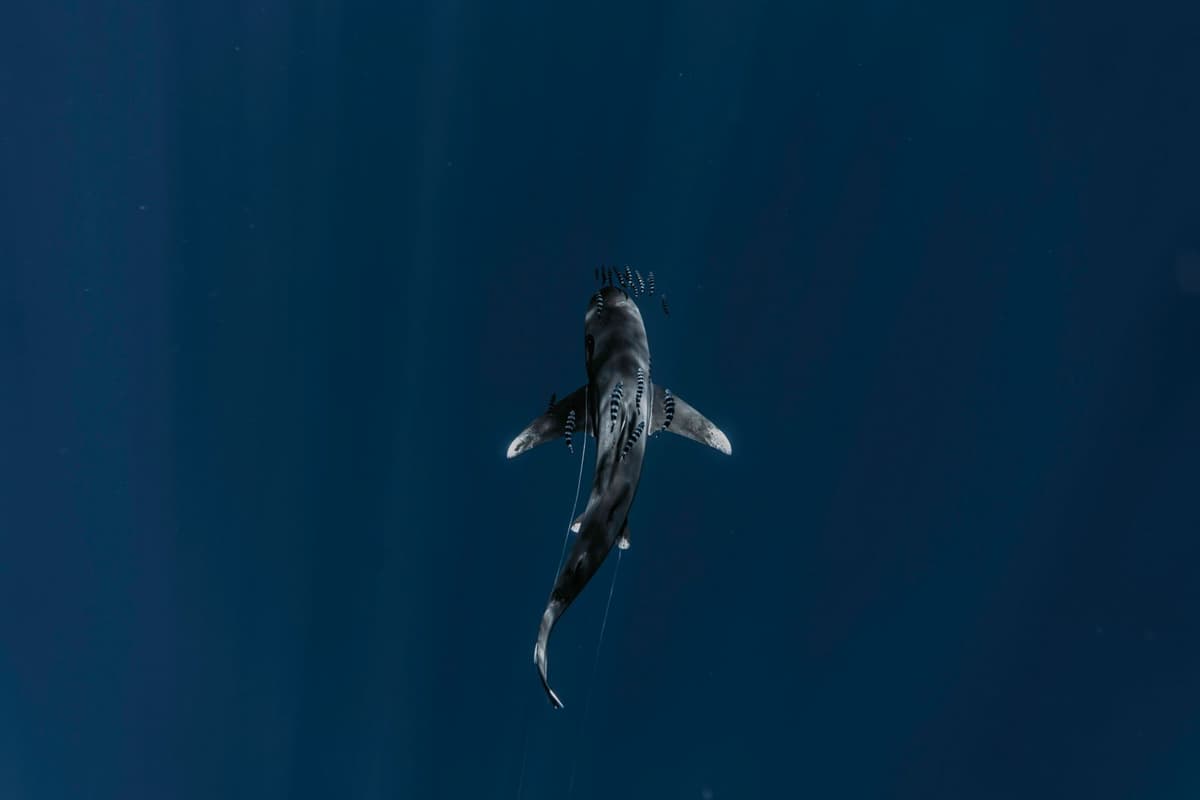
Greenland Sharks Can Live More than 400 Years, Meaning some Swimming the North Atlantic Today May Have Been Alive when Isaac Newton Was, While Parasites Cloud Their Corneas without Destroying the Retina Behind Them
Why It Matters
Understanding how these sharks avoid age‑related degeneration offers clues for human aging and DNA‑repair therapies, while highlighting the fragility of a species still recovering from historic over‑exploitation.
Key Takeaways
- •Greenland sharks can live up to 400 years, longest-lived vertebrate
- •Eye‑lens radiocarbon dating reveals ages; youngest mature adults >100 years
- •Parasite Ommatokoita elongata clouds corneas but retina remains functional
- •Elevated DNA‑repair genes (ERCC4) help maintain retinal health over centuries
- •Whole‑genome sequencing shows stable chromatin, expanded ferritin and immune genes
Pulse Analysis
The discovery that Greenland sharks can survive for four centuries reshapes our understanding of vertebrate aging. By analyzing the immutable proteins at the core of the eye lens, scientists bypassed traditional aging markers and uncovered a lifespan that eclipses recorded human history. This method not only confirms the sharks' extraordinary longevity but also provides a novel template for studying age in other slow‑growing marine species, offering a rare natural model for longevity research that could inform biomedical approaches to human aging.
Despite a conspicuous parasitic copepod that drapes over their corneas, recent Basel‑UCI research shows the sharks retain functional retinas. The parasites obscure vision but do not degrade the light‑sensing cells, a resilience linked to heightened expression of DNA‑repair genes such as ERCC4. This molecular safeguard appears to preserve retinal integrity over centuries, suggesting that robust DNA‑repair pathways may be a key factor in the sharks' ability to maintain basic sensory function despite extreme age.
The 2026 whole‑genome sequence added a genetic dimension to the longevity puzzle, revealing unique linker‑histone variants, amplified ferritin genes, and expanded immune‑response families. These adaptations collectively enhance genome stability, iron regulation, and stress resistance, creating a biological architecture that slows cellular decay. For conservationists, the findings underscore the species' vulnerability: slow growth and late maturity mean populations recover sluggishly from historic over‑fishing for liver oil. Protecting deep‑water habitats and reducing bycatch are now critical to ensure these living fossils persist for future scientific insight.
Greenland sharks can live more than 400 years, meaning some swimming the North Atlantic today may have been alive when Isaac Newton was, while parasites cloud their corneas without destroying the retina behind them
Comments
Want to join the conversation?
Loading comments...