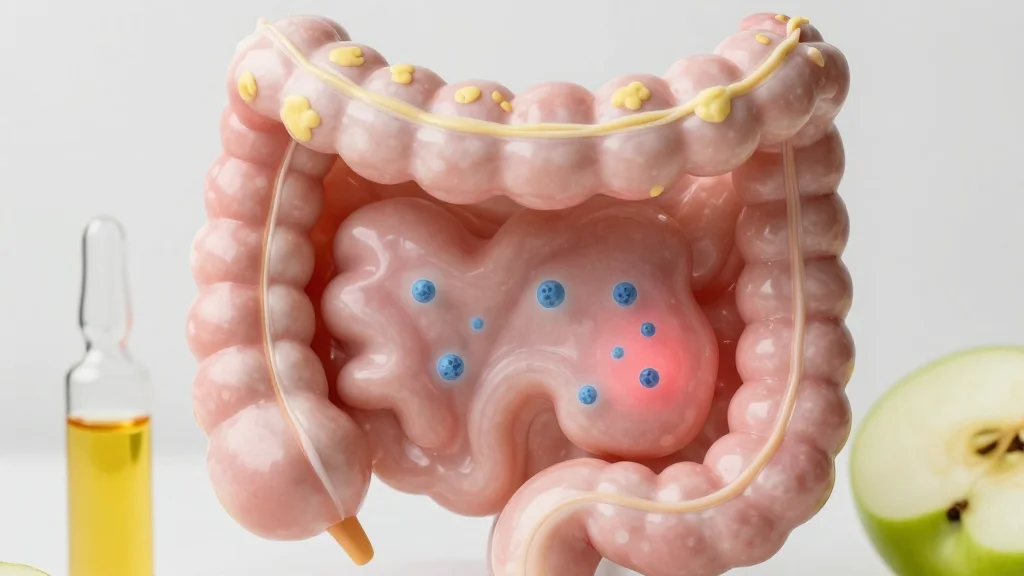
High‑fat Diets Linked to Rapid Decline in Protective Gut Immune Cells
Companies Mentioned
Why It Matters
Rapid ILC3 depletion links everyday dietary choices to early gut barrier failure, a precursor to obesity, IBD and systemic inflammation, underscoring the need for immediate nutritional strategies and metabolic‑targeted therapies.
Key Takeaways
- •High‑fat diet depletes gut ILC3 cells within days
- •ILC3 loss increases intestinal permeability and inflammation
- •Microbiota‑driven inflammation impairs ILC3 lipid metabolism
- •Dietary reversal can restore ILC3 populations and barrier function
- •Th17 cells remain largely unaffected by short‑term fat intake
Pulse Analysis
The gut houses roughly 70 % of the body’s immune cells, with group 3 innate lymphoid cells (ILC3s) acting as frontline defenders of the intestinal barrier. Recent research from Mass General Brigham shows that even a few days of a Western‑style high‑fat diet can dramatically erode this protective layer. By depleting ILC3s, the diet compromises the production of IL‑22, a cytokine essential for maintaining tight junctions and preventing bacterial translocation. This rapid immune remodeling challenges the conventional view that diet‑induced gut damage requires months of exposure.
The investigators combined mouse models, germ‑free experiments, and human tissue analyses to pinpoint the underlying mechanism. Excess dietary fat reshapes the gut microbiota, triggering inflammatory signals that overload ILC3s’ lipid‑processing pathways. Mitochondrial dysfunction follows, leading to programmed cell death, while neighboring Th17 cells remain largely intact. The selective vulnerability underscores a metabolic bottleneck unique to ILC3s, linking dietary lipids directly to barrier breakdown and systemic inflammation. These findings illuminate a previously hidden early driver of obesity‑related disorders, inflammatory bowel disease, and even neuroinflammatory conditions.
Importantly, the study demonstrates that reverting to a lower‑fat diet can replenish ILC3 numbers and restore barrier integrity, suggesting a practical intervention point. Targeting immune‑cell metabolism or modulating the microbiome may amplify this effect, opening avenues for novel therapeutics in the burgeoning gut‑health market. For clinicians and biotech firms, the work highlights the value of early dietary counseling and the potential of metabolic‑focused drug candidates. As consumer demand for personalized nutrition grows, integrating these insights could shape next‑generation strategies to curb chronic inflammation and its costly sequelae.
High‑fat diets linked to rapid decline in protective gut immune cells
Comments
Want to join the conversation?
Loading comments...