How an ‘Impossible’ Idea Led to a Pancreatic Cancer Breakthrough
Why It Matters
The approval of daraxonrasib could transform outcomes for a disease with a 5‑year survival under 10%, while opening a therapeutic avenue for other KRAS‑mutant cancers. Its success validates a new drug‑design paradigm that may accelerate cures for historically intractable targets.
Key Takeaways
- •Daraxonrasib targets KRAS protein, extending pancreatic cancer survival.
- •First KRAS inhibitor nearing FDA approval after decades of failure.
- •Drug also shows activity against KRAS‑driven lung and colon tumors.
- •Public‑private partnership accelerated development and clinical testing.
- •Success may revitalize research into previously 'undruggable' targets.
Pulse Analysis
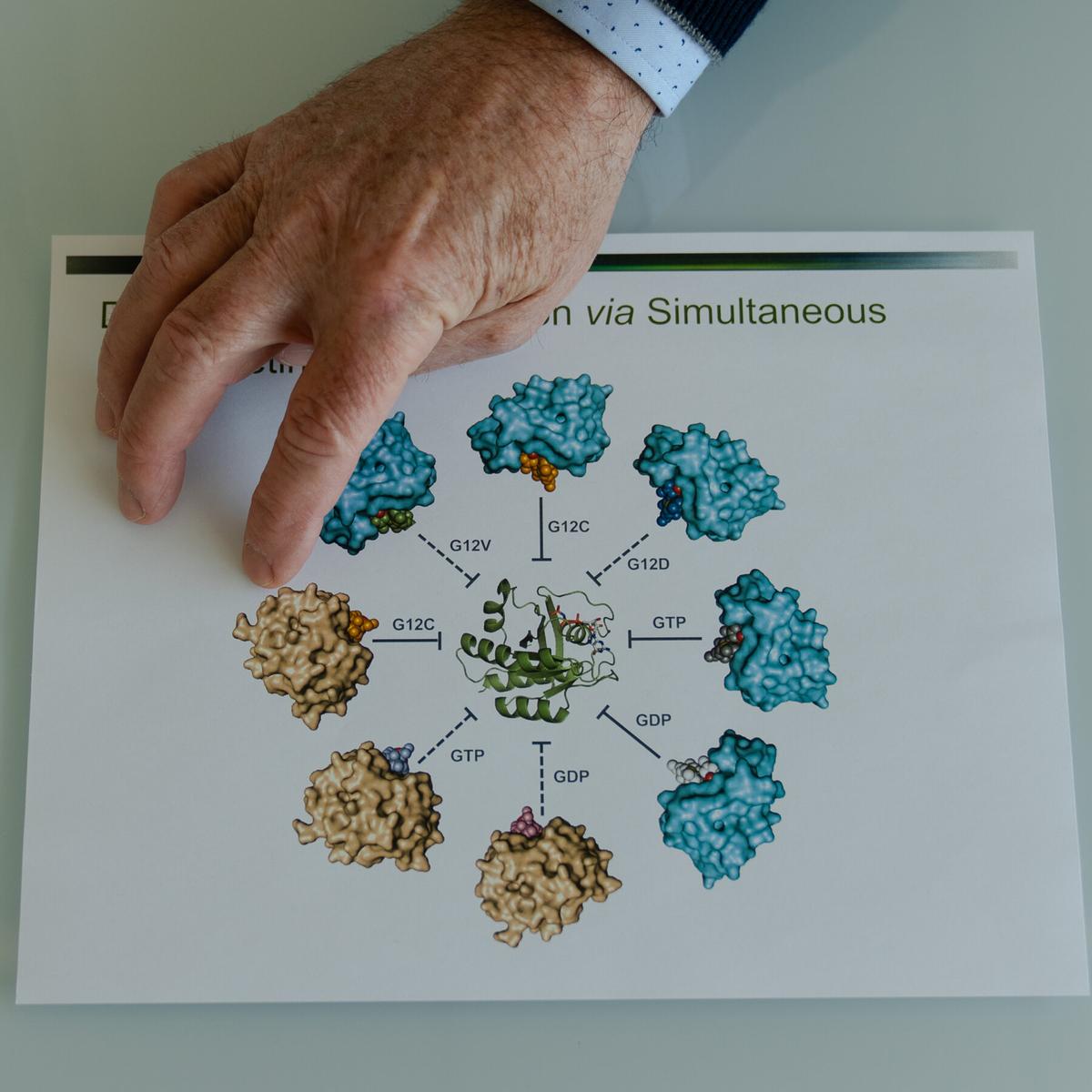
For years, KRAS was the poster child of an "undruggable" oncogene. The protein’s smooth surface and high affinity for GTP made it resistant to traditional small‑molecule inhibition, leading researchers to label it a greasy ball that could not be hit. Breakthroughs in covalent chemistry and structure‑based design, first demonstrated with KRAS G12C inhibitors in lung cancer, paved the way for next‑generation agents that can lock down other KRAS variants. Daraxonrasib, engineered to bind the G12D mutation prevalent in pancreatic tumors, leverages these insights to achieve durable target engagement and downstream signaling shutdown.
In pivotal Phase III trials, daraxonrasib added a median overall‑survival gain of roughly 4.5 months compared with standard chemotherapy, a statistically significant improvement in a disease where median survival hovers around 11 months. The drug’s safety profile, characterized by manageable gastrointestinal and hematologic events, has satisfied regulators, prompting a fast‑track review by the FDA. Its efficacy across KRAS‑mutant lung and colon cancers suggests a broader market potential, positioning the compound as a first‑in‑class therapy that could reshape treatment algorithms and drive multimillion‑dollar revenues.
Beyond the immediate clinical impact, daraxonrasib’s journey underscores the power of collaborative funding models that blend NIH grants, academic expertise, and biotech investment. The success story is likely to inspire renewed attempts at other historically intractable targets, such as mutant p53 or MYC, by demonstrating that strategic chemistry and deep biological insight can overcome long‑standing dogma. Investors and drug developers will watch closely as the KRAS inhibitor pipeline expands, anticipating a wave of precision medicines that could redefine oncology in the next decade.
How an ‘Impossible’ Idea Led to a Pancreatic Cancer Breakthrough
Comments
Want to join the conversation?
Loading comments...