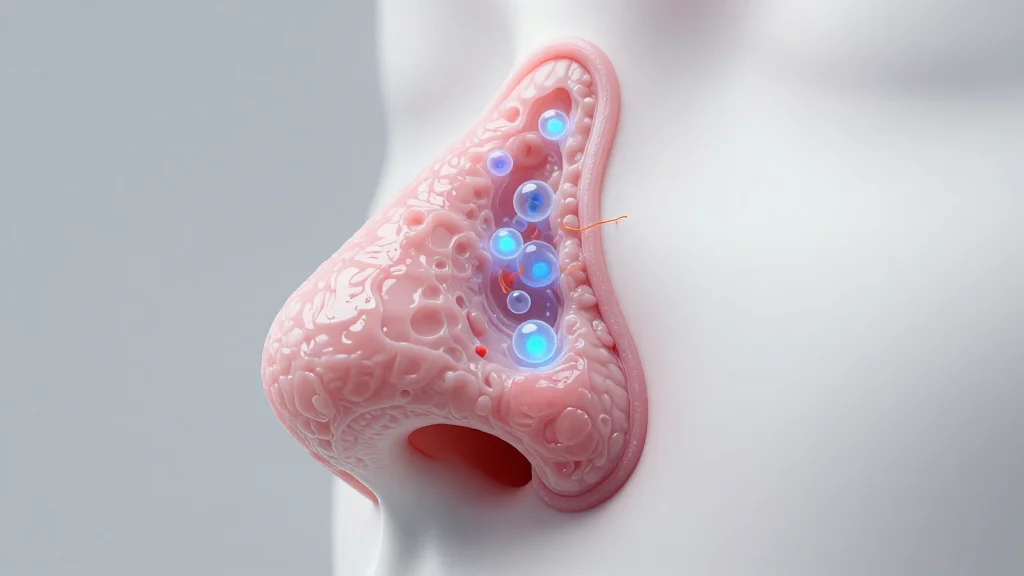
Immune Cells in the Nose Slow Influenza Virus, Study Finds
Why It Matters
Targeting nasal‑resident memory T cells could boost vaccine efficacy by stopping flu viruses at the portal of entry, reducing illness severity and transmission. This insight reshapes how biotech firms design and position intranasal influenza vaccines in a competitive market.
Key Takeaways
- •CD4 memory T cells reside permanently in nasal tissue.
- •These cells rapidly reactivate upon influenza re‑exposure, limiting replication.
- •Mouse studies show reduced viral load and tissue damage in the nose.
- •Human nasal samples contain similar influenza‑specific memory T cells.
- •Findings guide design of intranasal vaccines targeting local immunity.
Pulse Analysis
The discovery that CD4 memory T cells establish a permanent foothold in the nasal mucosa adds a crucial layer to our understanding of mucosal immunity. Unlike systemic responses generated by intramuscular shots, these resident cells sit at the frontline, ready to recognize and neutralize influenza viruses the moment they breach the airway barrier. Their rapid reactivation not only suppresses viral replication but also mitigates local inflammation, a dual benefit that could translate into milder symptoms and lower hospitalization rates.
For vaccine developers, the study offers a clear biological target: formulations that prime or expand these nasal‑resident T cells. Intranasal vaccines, already in early clinical stages, could be engineered to deliver antigens directly to the nasal epithelium, fostering a robust local memory pool. This approach promises broader, cross‑strain protection because T‑cell responses often recognize conserved viral components that antibodies miss. Moreover, needle‑free delivery aligns with consumer preferences for convenience and may improve vaccination rates, especially among children and vaccine‑averse populations.
Beyond flu, the implications extend to other respiratory pathogens, including emerging coronaviruses and RSV. By leveraging the same principle—stimulating tissue‑resident memory cells—future platforms could achieve rapid, on‑site immunity against a range of viruses. Public health agencies may therefore prioritize funding for mucosal vaccine research, anticipating a shift in immunization strategies that emphasizes early interception over systemic defense. The commercial upside is significant, as biotech firms that master nasal‑targeted immunity could capture a sizable share of the seasonal vaccine market while addressing unmet needs for pandemic preparedness.
Immune cells in the nose slow influenza virus, study finds
Comments
Want to join the conversation?
Loading comments...