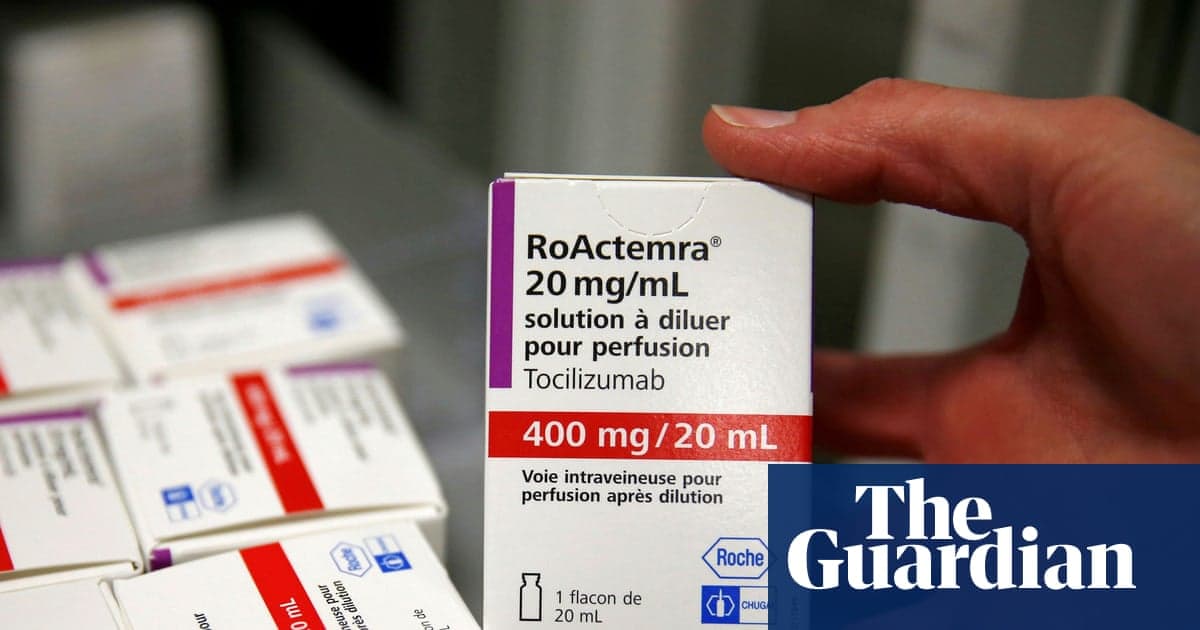
Immunotherapy Could Be Used to Treat Depression, Early Trial Suggests
Why It Matters
If larger trials confirm these results, immunotherapy could offer a more effective option for patients who fail conventional drugs, reshaping psychiatric treatment paradigms and reducing the societal burden of chronic depression.
Key Takeaways
- •Tocilizumab reduced depression severity more than placebo in 30‑patient trial
- •Remission rate reached 54% with tocilizumab vs 31% placebo
- •Number needed to treat of 5 beats SSRIs' NNT of ~7
- •IL‑6R blockade targets inflammation linked to treatment‑resistant depression
- •Early results suggest immunotherapy could personalize psychiatric care
Pulse Analysis
Depression remains a leading cause of disability worldwide, with roughly one‑in‑three patients not achieving remission on first‑line antidepressants. Growing evidence links systemic inflammation, particularly elevated interleukin‑6, to mood disorders, prompting researchers to explore immune‑modulating therapies. By targeting the IL‑6 receptor, tocilizumab offers a mechanistic departure from traditional monoamine‑focused drugs, positioning it at the forefront of a new therapeutic class that addresses the biological underpinnings of treatment‑resistant depression.
The Bristol study enrolled 30 adults with moderate to severe, medication‑refractory depression and randomly assigned them to receive either a single dose of tocilizumab or a placebo. Over a four‑week follow‑up, the tocilizumab arm demonstrated consistent gains across multiple clinical scales, culminating in a 54% remission rate versus 31% for placebo. Notably, the number needed to treat (NNT) of five outperforms the average NNT of about seven for selective serotonin reuptake inhibitors, suggesting a potentially higher efficacy signal despite the trial’s limited size. Safety data aligned with the drug’s established profile in rheumatology, easing concerns about acute adverse events.
If subsequent phase‑II and phase‑III trials replicate these findings, immunotherapy could become a cornerstone of precision psychiatry, allowing clinicians to match patients to treatments based on inflammatory biomarkers. Such a shift would open sizable market opportunities for biotech firms and pharmaceutical giants alike, while also prompting regulatory bodies to develop new pathways for psychiatric indications of existing immunomodulators. Ultimately, integrating immune‑targeted drugs into depression care could reduce chronic disease burden, improve quality of life, and lower healthcare costs associated with long‑term, ineffective medication regimens.
Immunotherapy could be used to treat depression, early trial suggests
Comments
Want to join the conversation?
Loading comments...