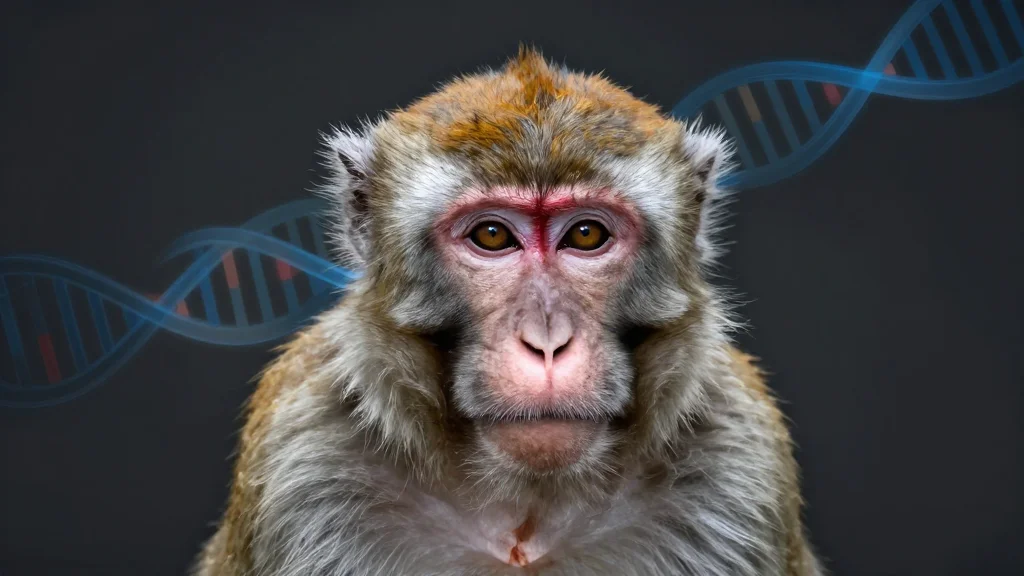
Impact of Early Life Adversity on Epigenome at Molecular Level Mapped in Macaques
Why It Matters
The findings reveal a molecular pathway through which early stress can shape disease risk, urging a shift toward multi‑tissue biomarkers for precision health and aging interventions.
Key Takeaways
- •Study mapped DNA methylation in 12 macaque tissues.
- •Early adversity creates coordinated, tissue‑wide epigenetic signatures.
- •Epigenetic clocks predict age within ~1 year across tissues.
- •Aging effects differ by tissue; pituitary ages fastest.
- •Findings challenge notion that stress simply speeds biological aging.
Pulse Analysis
Early‑life adversity has long been linked to poorer health outcomes, but the biological mechanisms remained elusive. The new macaque study leverages a rare, longitudinal dataset that combines lifelong social histories with multi‑tissue DNA‑methylation profiles. By focusing on rhesus macaques—animals that share complex social structures with humans—the researchers capture natural variation in stressors such as maternal loss or crowding, offering a more realistic window into how childhood environments imprint on the genome.
A key innovation of the work is the creation of tissue‑specific epigenetic clocks that can predict an individual’s chronological age within roughly one year. These clocks expose stark heterogeneity: while the pituitary and thymus display pronounced age‑related methylation shifts, blood—commonly used in human studies—captures only a fragment of the aging signal. Moreover, early adversity does not simply add years to the biological clock; it reshapes methylation patterns in a coordinated yet tissue‑dependent manner, sometimes mimicking accelerated aging and other times moving in the opposite direction. This nuanced picture challenges the prevailing narrative that stress uniformly hastens aging.
For the biotech and pharmaceutical sectors, the implications are profound. Multi‑tissue epigenetic signatures could become next‑generation biomarkers for early disease detection, enabling interventions before clinical symptoms emerge. Companies developing epigenetic therapeutics or age‑reversal technologies may need to broaden assay panels beyond blood to capture organ‑specific effects. Additionally, the dataset provides a valuable resource for AI‑driven models that predict health trajectories based on early‑life exposures, opening new avenues for personalized preventive care and potentially reshaping insurance risk assessments.
Impact of Early Life Adversity on Epigenome at Molecular Level Mapped in Macaques
Comments
Want to join the conversation?
Loading comments...