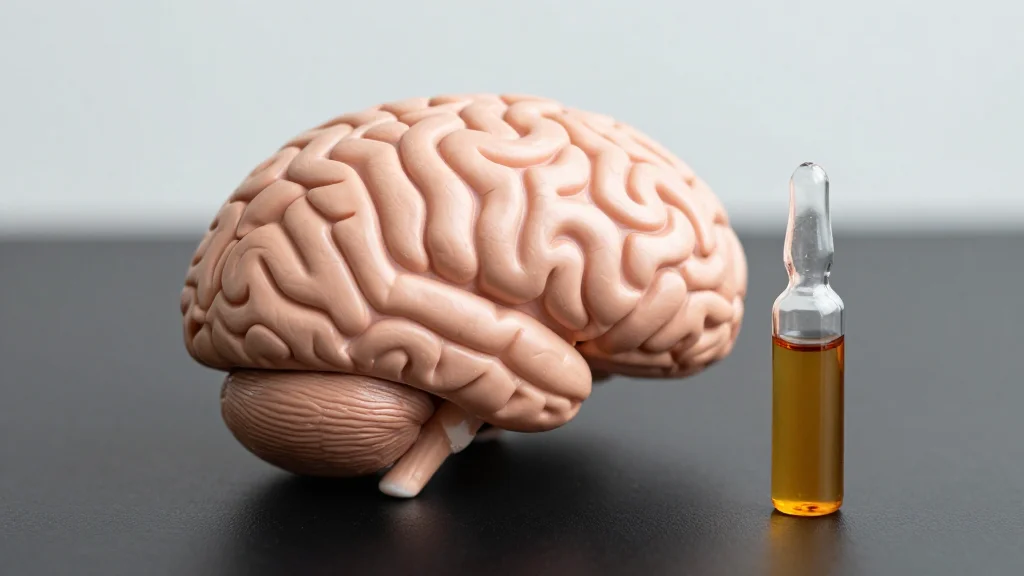
Intermittent Fasting and Neuroprotection in Alzheimer’s Disease: Metabolic Mechanisms, Cellular Signaling, and Brain-Peripheral Crosstalk
Why It Matters
By addressing both metabolic deficits and inflammatory pathways, IF offers a multi‑targeted strategy that could slow AD progression and complement existing therapies.
Key Takeaways
- •Alternate‑day fasting raises β‑hydroxybutyrate, improves cognition in AD mice
- •Ketone signaling up‑regulates BDNF, enhancing synaptic plasticity
- •IF suppresses mTOR, activating autophagy to clear toxic proteins
- •Reduced microglial lipid droplets boost Aβ phagocytosis
Pulse Analysis
Intermittent fasting reshapes brain energy metabolism by shifting reliance from glucose to ketones. Elevated β‑hydroxybutyrate not only fuels neurons but also acts as a signaling molecule that induces brain‑derived neurotrophic factor, supporting synaptic resilience. Studies in 3xTg‑AD mice show that alternate‑day fasting raises circulating ketones, up‑regulates monocarboxylate transporter‑1 at the blood‑brain barrier, and restores the astrocyte‑neuron lactate shuttle, directly counteracting the glucose hypometabolism that characterizes early Alzheimer’s pathology.
Beyond bioenergetics, IF engages cellular housekeeping mechanisms crucial for neuroprotection. Caloric restriction and fasting inhibit mTORC1, thereby unleashing autophagy pathways that degrade misfolded proteins and damaged organelles. Concurrent activation of AMPK further dampens mTOR signaling, enhancing clearance of amyloid‑β and hyperphosphorylated tau. In parallel, IF modulates microglial phenotype, reducing lipid‑droplet accumulation and restoring TREM2‑mediated phagocytosis, which curtails chronic neuroinflammation and supports neuronal survival.
The systemic benefits of IF amplify its brain‑centric effects. Improved adipose‑derived leptin sensitivity and skeletal‑muscle myokine release create a favorable peripheral environment that attenuates inflammatory mediators crossing the blood‑brain barrier. Early human trials indicate that ketogenic diets, which mimic fasting‑induced ketosis, raise cerebral ketone uptake to roughly 17% of total brain energy, offering a practical translational avenue. As clinical evidence accumulates, IF may emerge as a low‑cost, lifestyle‑based adjunct to disease‑modifying therapies for Alzheimer’s, warranting larger, controlled studies to define optimal fasting protocols and patient selection criteria.
Intermittent fasting and neuroprotection in Alzheimer’s disease: metabolic mechanisms, cellular signaling, and brain-peripheral crosstalk
Comments
Want to join the conversation?
Loading comments...