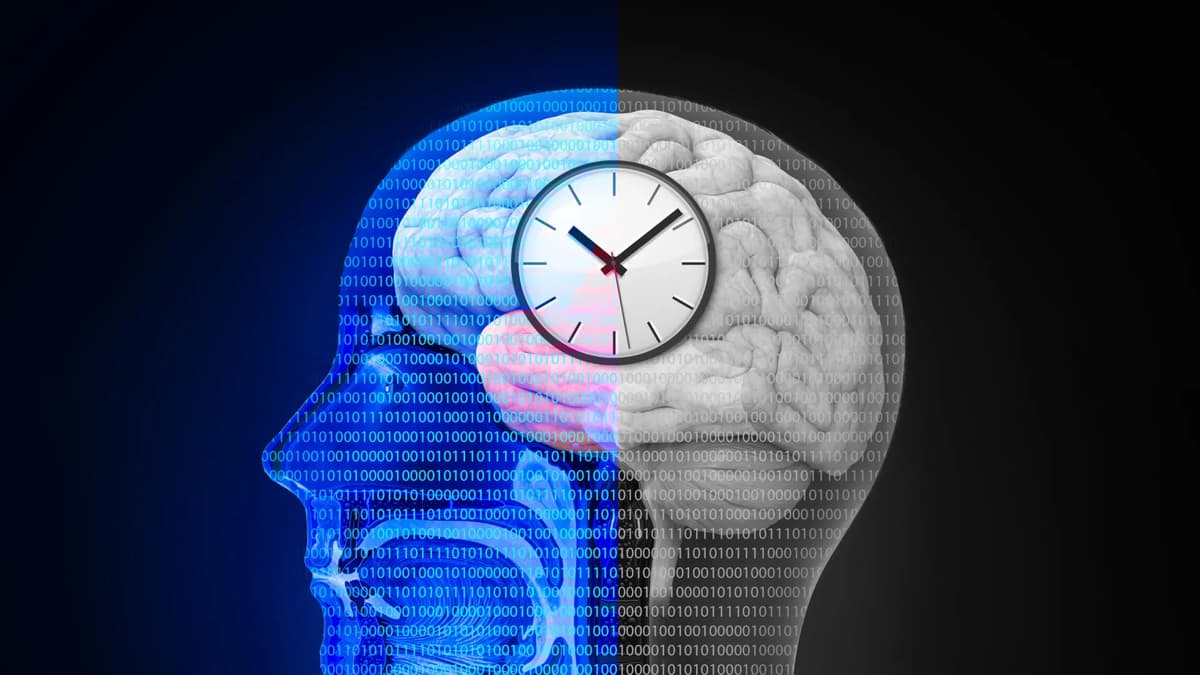
Intermittent Fasting Triggers Surprising Changes in the Brain
Why It Matters
The findings link intermittent fasting to coordinated alterations in the gut microbiome and brain circuits, offering a biological explanation for why some diets curb cravings and improve metabolic health, which could reshape obesity treatment strategies.
Key Takeaways
- •25 obese Chinese adults lost 7.6 kg (7.8% body weight) on IER
- •fMRI showed reduced activity in appetite‑related brain regions after fasting
- •Gut microbes Faecalibacterium, Parabacteroides, Bacteroides increased; E. coli decreased
- •Microbe shifts correlated with brain activity, suggesting a gut‑brain communication loop
Pulse Analysis
Intermittent fasting has moved from a niche diet trend to a mainstream weight‑loss tool, but its benefits extend far beyond calorie restriction. Recent research highlights how periodic energy deficits can rewire the gut‑brain axis, a bidirectional network where microbial metabolites influence neural pathways that govern hunger, reward and self‑control. By modulating this axis, fasting may dampen cravings and improve metabolic markers, offering a mechanistic rationale for the sustained weight loss observed in many participants.
In a controlled 62‑day IER trial, 25 Chinese adults with obesity followed a stepwise calorie cutdown to roughly 500‑600 kcal per day. Participants shed an average of 7.6 kg and experienced notable drops in blood pressure, fasting glucose, cholesterol and liver enzymes. Functional MRI scans revealed diminished activation in the orbital inferior frontal gyrus and other appetite‑related regions, while metagenomic sequencing showed a surge in beneficial bacteria such as Faecalibacterium prausnitzii and a decline in Escherichia coli. Statistical links between specific microbes and brain activity suggest that the gut microbiome may help steer neural circuits that control eating behavior.
The broader literature reinforces these insights. A 2024 systematic review confirmed that various fasting protocols alter microbial diversity, and a parallel clinical trial demonstrated that combining intermittent fasting with protein pacing amplifies both weight loss and microbiome shifts. While causality remains unresolved, the convergence of neuroimaging and microbiome data points to a coordinated physiological response. Future large‑scale, longitudinal studies could identify microbial or neural biomarkers that predict diet success, paving the way for personalized fasting regimens that target both gut health and brain function.
Intermittent fasting triggers surprising changes in the brain
Comments
Want to join the conversation?
Loading comments...