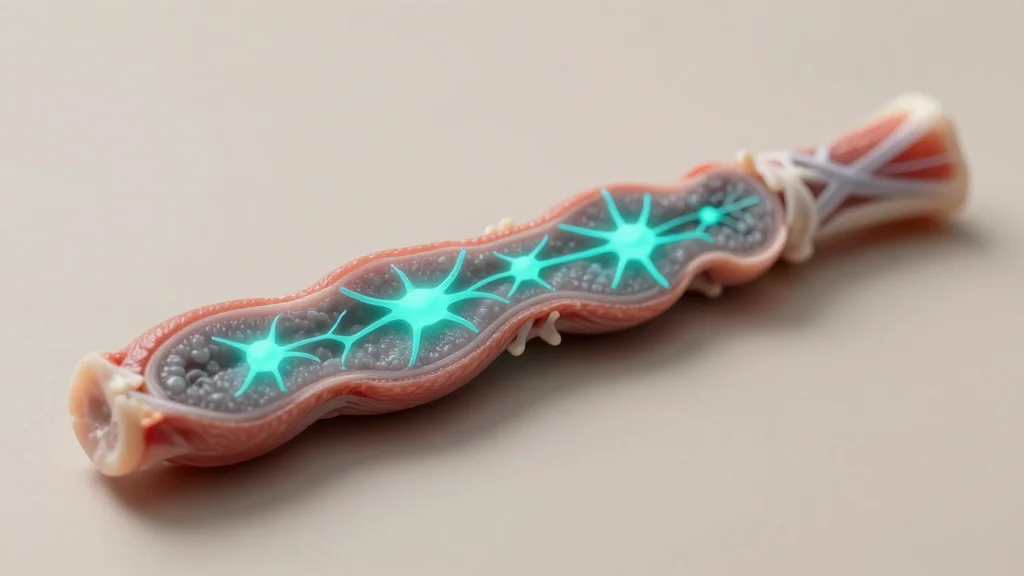
Key Neurons Can Jumpstart Leg Movement After Spinal Injury
Why It Matters
Pinpointing the exact neuron subtype that restores motor function provides a roadmap for designing effective stem‑cell therapies and informs rehabilitation protocols, accelerating progress toward viable treatments for spinal cord injury.
Key Takeaways
- •Rare graft-derived interneurons rewire motor circuits
- •Activation induced leg muscle responses in 20‑30% animals
- •Neurons are scarce within transplanted cell populations
- •Rehabilitation may enhance transplanted neuron integration
- •Findings direct next‑gen stem‑cell therapy design
Pulse Analysis
Spinal cord injury remains one of the most challenging neurological disorders, with millions facing permanent paralysis and no FDA‑approved options to restore lost function. Over the past decades, researchers have pursued neural stem‑cell transplantation, hoping new cells could replace damaged neurons and reestablish communication pathways. However, the field has struggled to determine which grafted cells actually integrate into the host’s motor circuits, limiting the translational impact of preclinical studies.
The recent Nature Communications paper sheds light on this gap by tracking how transplanted neural progenitors connect to hind‑limb motor networks in animal models. A small, previously underappreciated group of interneurons formed synaptic links with the spinal cord’s locomotor circuitry, and targeted activation of these cells produced leg muscle contractions in roughly one‑quarter of the subjects. Although the responsive cohort was modest, the result proves that functional reconnection is achievable and that specific neuronal phenotypes are the key drivers of recovery.
Looking ahead, the discovery equips developers of regenerative therapies with a precise cellular target: enrich grafts for the identified interneuron subtype and combine transplantation with structured, activity‑based rehabilitation to promote maturation and circuit integration. This dual approach could shorten the gap between experimental success and clinical application, offering a realistic pathway toward restoring mobility for patients with spinal cord injuries.
Key neurons can jumpstart leg movement after spinal injury
Comments
Want to join the conversation?
Loading comments...