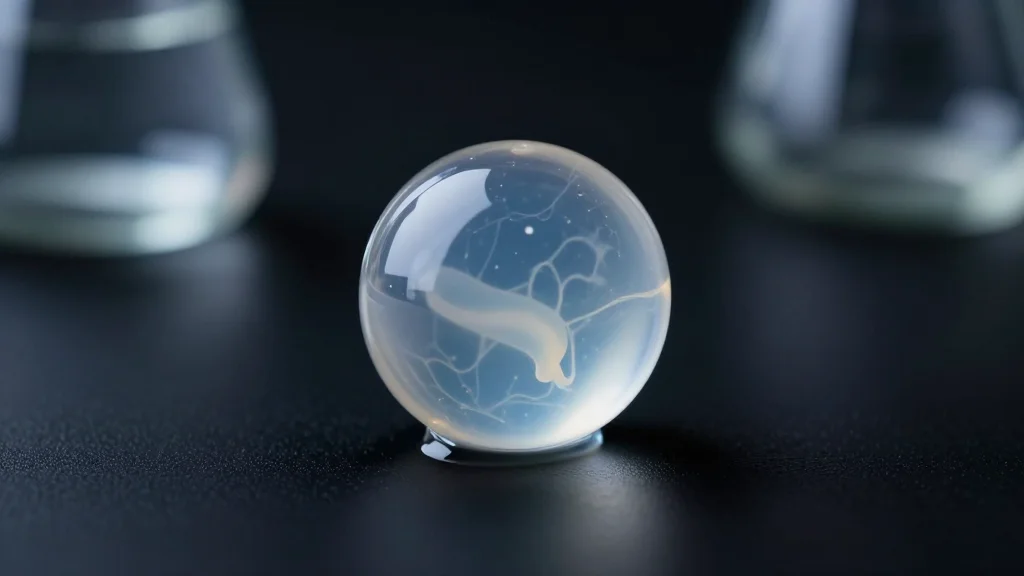
Lab-Grown Pineal Gland Organoids Produce Melatonin, Offering a New Sleep Model
Why It Matters
The breakthrough provides a scalable human model for sleep‑related neuropsychiatric conditions, accelerating drug discovery and potential regenerative treatments. It also suggests organoid transplantation could address melatonin deficiencies in aging or disease.
Key Takeaways
- •Yale team creates functional pineal gland organoids releasing melatonin.
- •Assembloid linking nerve and pineal organoids triggers hormone secretion.
- •Angelman syndrome organoids show choroid plexus-like shift, reduced melatonin.
- •Mice transplanted with organoids maintain circulating melatonin levels.
- •Platform enables disease modeling and potential cell‑based sleep therapies.
Pulse Analysis
Organoid technology has transformed biomedical research by providing three‑dimensional, patient‑specific tissue models that recapitulate key organ functions. The pineal gland, a tiny brain structure that governs circadian rhythms through melatonin secretion, has long eluded in‑vitro replication. Yale’s stem‑cell derived pineal organoids fill this gap, offering a human‑relevant platform to probe the molecular circuitry of sleep regulation, a field traditionally limited to animal studies and post‑mortem analysis.
In the recent Cell Stem Cell paper, the investigators engineered an assembloid that pairs pineal organoids with a sympathetic‑nerve organoid, mimicking the superior cervical ganglion’s natural stimulus. This configuration not only triggered melatonin release on demand but also proved functional when transplanted into pineal‑deficient mice, restoring circulating hormone levels. Crucially, disease‑specific organoids derived from Angelman syndrome patients revealed a striking shift toward choroid‑plexus‑like tissue and silencing of melatonin‑synthetic genes, mirroring pathological changes observed in animal models. Such insights underscore the platform’s capacity to dissect sleep disturbances across neurodevelopmental and neurodegenerative disorders.
Looking ahead, the ability to generate patient‑tailored pineal organoids could accelerate screening of chronobiology‑targeted therapeutics and pave the way for cell‑based interventions. Transplantation of organoid‑derived pineal cells may eventually supplement deficient melatonin production in elderly populations or individuals with severe sleep disorders. As regulatory frameworks evolve to accommodate complex tissue therapies, biotech firms are likely to invest in scaling organoid manufacturing, positioning this technology at the intersection of neuroscience, regenerative medicine, and precision sleep health.
Lab-grown pineal gland organoids produce melatonin, offering a new sleep model
Comments
Want to join the conversation?
Loading comments...