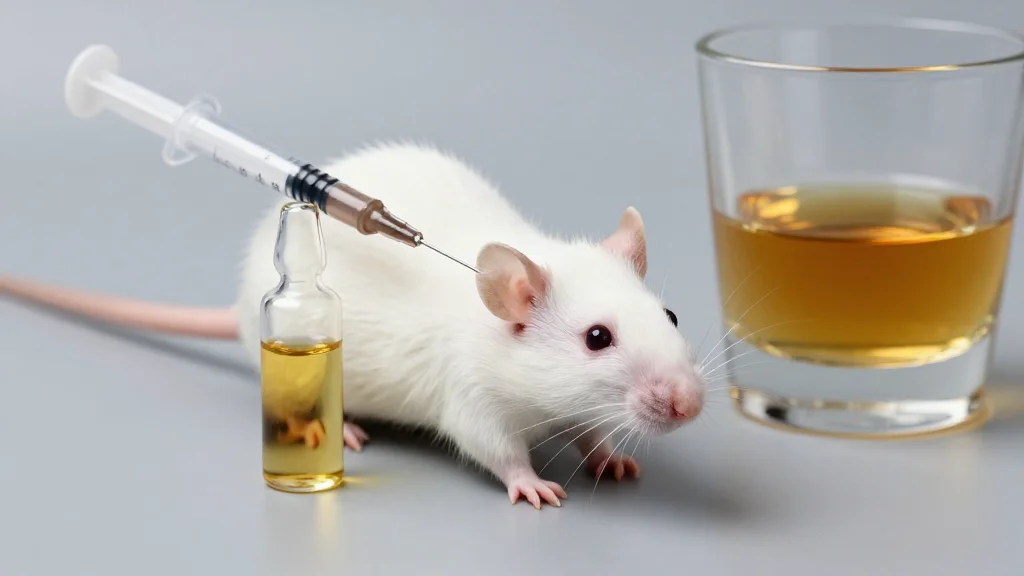
Lesser-Known Cannabis Compounds Show Promise for Treating Alcohol Addiction in Rats
Why It Matters
The results point to non‑intoxicating cannabinoids as potential new pharmacotherapies for AUD, a condition with limited effective drugs and high relapse rates. Demonstrating efficacy in animal models could accelerate human trials and broaden treatment options beyond current FDA‑approved medications.
Key Takeaways
- •CBN and THCV cut rat alcohol intake, effects persisted days
- •CBD showed minimal impact on drinking and reduced activity levels
- •All three phytocannabinoids avoided distress signals in treated rats
- •Sedative side effects and slight weight loss observed at high doses
- •Findings suggest non‑psychoactive cannabinoids as safer AUD candidates
Pulse Analysis
Alcohol use disorder remains a leading cause of morbidity worldwide, and existing pharmacotherapies address only a fraction of patients. The brain’s endocannabinoid system, particularly CB1 receptors, has emerged as a promising target because it modulates reward, stress, and habit formation. Early clinical trials of synthetic CB1 antagonists were halted after participants experienced severe psychiatric reactions, prompting researchers to explore naturally occurring cannabinoids that might retain therapeutic benefits while minimizing adverse effects. Phytocannabinoids such as cannabinol (CBN), tetrahydrocannabivarin (THCV), and cannabidiol (CBD) therefore represent a new frontier in AUD drug discovery.
The recent rat study administered daily intraperitoneal doses of CBN, THCV, or CBD to male Wistar subjects that habitually consumed 5‑10 % ethanol. Both CBN and THCV produced a statistically significant drop in daily alcohol intake and preference, with CBN’s effect lingering for three days after the final injection. In contrast, CBD yielded only a modest reduction in consumption and concurrently suppressed locomotor activity and positive ultrasonic vocalizations, suggesting a dampening of reward signaling. High‑dose groups exhibited mild sedation and slight weight loss, but none displayed distress calls, indicating an acceptable safety signal in this model.
While the findings are encouraging, translation to human patients will require careful dose‑finding, pharmacokinetic profiling, and assessment of psychoactive risk. CBN and THCV’s non‑intoxicating profiles could position them as adjuncts to behavioral therapy or as stand‑alone agents, especially for individuals who cannot tolerate THC‑based products. Regulatory pathways may be smoother for compounds already present in the cannabis market, yet manufacturers must ensure product consistency and purity to satisfy FDA standards. Continued preclinical work, followed by phase‑I safety trials, will determine whether these phytocannabinoids can fill the current therapeutic gap in AUD treatment.
Lesser-known cannabis compounds show promise for treating alcohol addiction in rats
Comments
Want to join the conversation?
Loading comments...