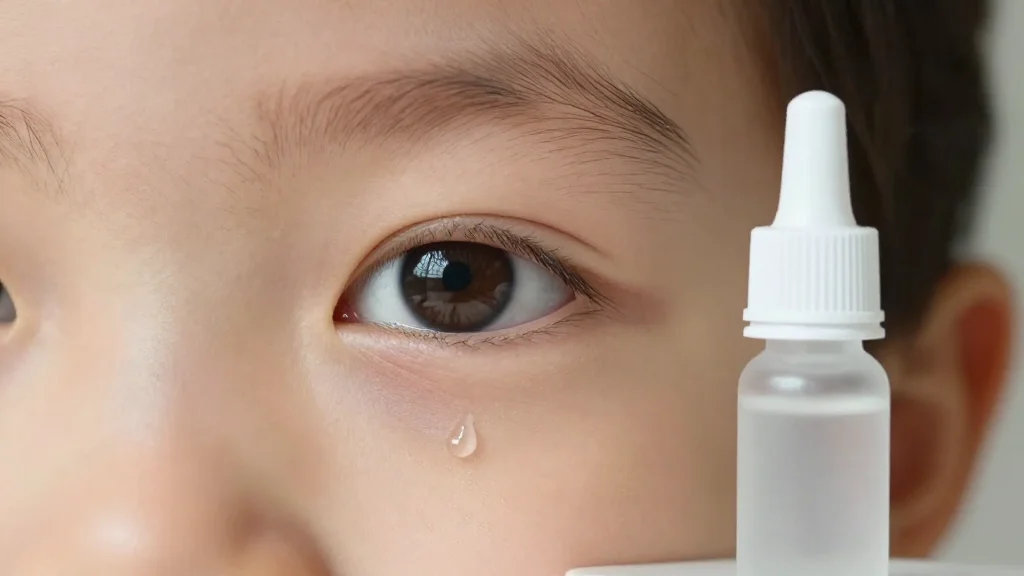
Low Dose Atropine Eye Drops Safe and Effective for Short-Sightedness in Children, Clinical Trial Suggests
Why It Matters
Myopia rates are rising globally, driving higher healthcare costs and long‑term vision complications; an effective, low‑risk treatment expands the therapeutic arsenal for UK children. Incorporating atropine into NHS practice could curb disease progression and reduce future economic burden.
Key Takeaways
- •0.01% atropine reduced myopia progression by 0.38 diopters over two years
- •Axial length growth slowed by 0.14 mm, matching safety profile of placebo
- •No rise in adverse events; only notable side effect was pupil dilation
- •Study supports adding low‑dose atropine to UK optical myopia management toolkit
Pulse Analysis
Myopia, or short‑sightedness, has become a public‑health concern as prevalence climbs among school‑age children worldwide. Beyond the immediate need for corrective lenses, unchecked progression raises the risk of retinal detachment, glaucoma and costly interventions later in life. Traditional strategies—such as orthokeratology lenses or increased outdoor time—offer partial mitigation, but the search for scalable, low‑risk pharmacologic options has intensified, especially in markets with national health services.
The British trial, published in The BMJ, enrolled 289 participants across five NHS eye centres, randomising two‑thirds to 0.01% atropine drops and one‑third to placebo, while all wore standard spectacles. After two years, the atropine cohort exhibited a mean 0.38‑diopter advantage in refractive error and a 0.14‑mm reduction in axial length growth—metrics that, while modest, are statistically significant and clinically relevant. Safety data were reassuring: adverse events mirrored the placebo group, and the only measurable side effect was a modest 0.36‑mm increase in pupil diameter, which did not impair daily activities.
These outcomes arrive at a pivotal moment for UK health policy. The NHS currently does not fund atropine for myopia control, citing limited domestic evidence. This trial supplies that evidence, positioning low‑dose atropine as a cost‑effective adjunct to spectacles. Adoption could lower long‑term ophthalmic expenditures by delaying severe myopia‑related complications. Moreover, the study’s methodology—real‑world NHS settings and diverse ethnic representation—offers a template for future research, potentially expanding the therapeutic scope to other European health systems seeking sustainable myopia interventions.
Low dose atropine eye drops safe and effective for short-sightedness in children, clinical trial suggests
Comments
Want to join the conversation?
Loading comments...