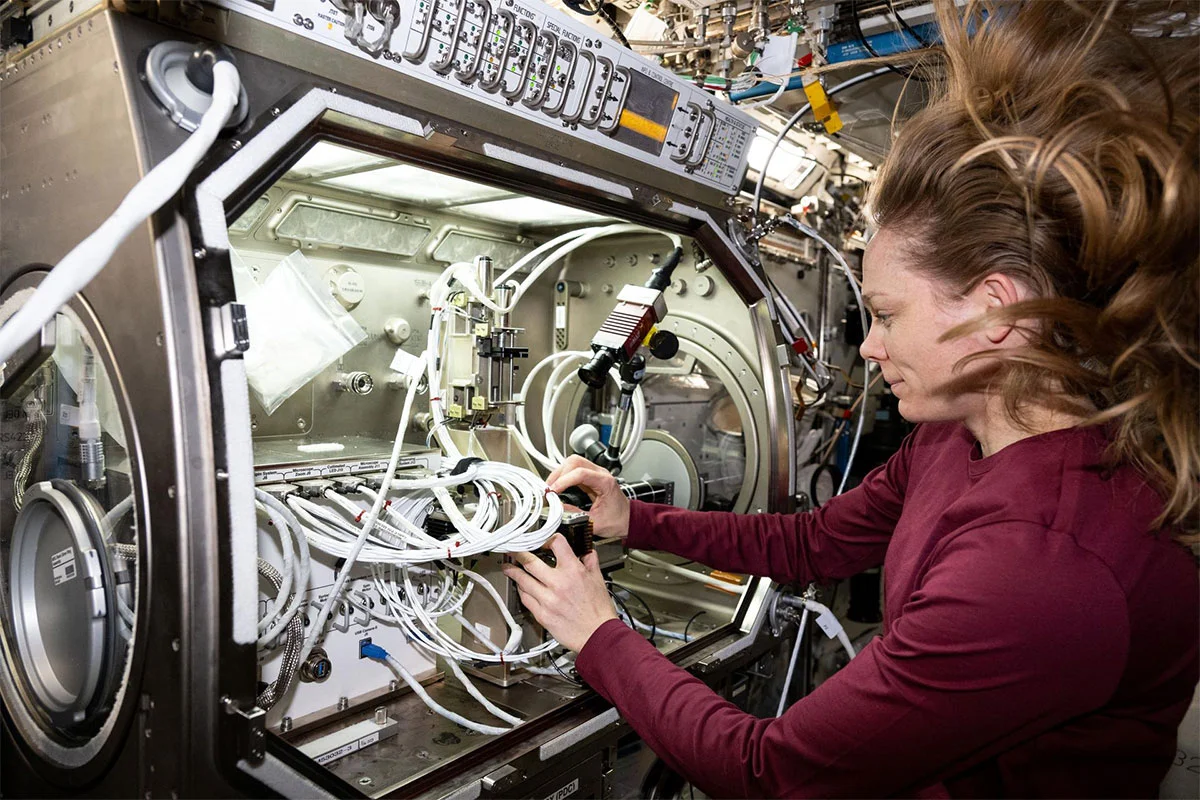
Low Earth Orbit Emerges as a New Frontier for Pharmaceutical Innovation
Companies Mentioned
Why It Matters
Orbit‑based drug production could shorten development cycles and create therapies unavailable on Earth, reshaping the pharmaceutical value chain and attracting massive capital to the space‑biotech niche.
Key Takeaways
- •Varda and Redwire launch microgravity drug manufacturing pilots
- •SpaceX IPO fuels investor interest in space‑enabled biotech
- •Microgravity enhances protein crystallization, improving drug efficacy
- •LEO manufacturing may reduce time‑to‑market for high‑value therapeutics
Pulse Analysis
The commercial space boom, once dominated by satellite broadband and launch services, is now branching into biotechnology. Investors are betting that low‑Earth orbit (LEO) can serve as a unique manufacturing environment where microgravity alters molecular behavior, enabling drug formulations that are difficult or impossible to achieve on the ground. Analysts estimate the space‑enabled pharma market could reach several billion dollars within the next decade, driven by the promise of higher‑purity proteins, faster crystal growth, and reduced aggregation. This emerging niche aligns with broader trends toward precision medicine and high‑value, low‑volume therapeutics.
Varda Space Industries and Redwire are at the forefront, deploying small‑satellite platforms equipped with bioreactors, centrifuges, and temperature‑controlled chambers. Their initial pilots focus on monoclonal antibodies and enzyme replacement therapies, leveraging the near‑weightless environment to improve crystal lattice formation and stability. Partnerships with major pharmaceutical firms such as Pfizer and Novartis are already materializing, providing both funding and downstream expertise. However, technical hurdles remain, including reliable fluid handling in microgravity, launch‑induced vibrations, and the need for robust quality‑control protocols that satisfy FDA standards. Cost per gram of drug produced in orbit is still high, but economies of scale are expected as launch prices drop.
The convergence of space logistics and drug development could reshape the pharmaceutical supply chain, creating a parallel orbit‑based production line for niche, high‑margin products. As SpaceX’s anticipated mega‑IPO injects fresh capital into the sector, startups are poised to scale, and venture firms are sharpening their focus on space‑biotech portfolios. Regulatory agencies are beginning to draft guidelines for off‑planet manufacturing, which, if clarified, will accelerate commercialization. While widespread adoption may take years, the strategic advantage of faster time‑to‑market and differentiated therapeutics positions LEO manufacturing as a disruptive force that could redefine how the industry innovates.
Low Earth Orbit Emerges as a New Frontier for Pharmaceutical Innovation
Comments
Want to join the conversation?
Loading comments...