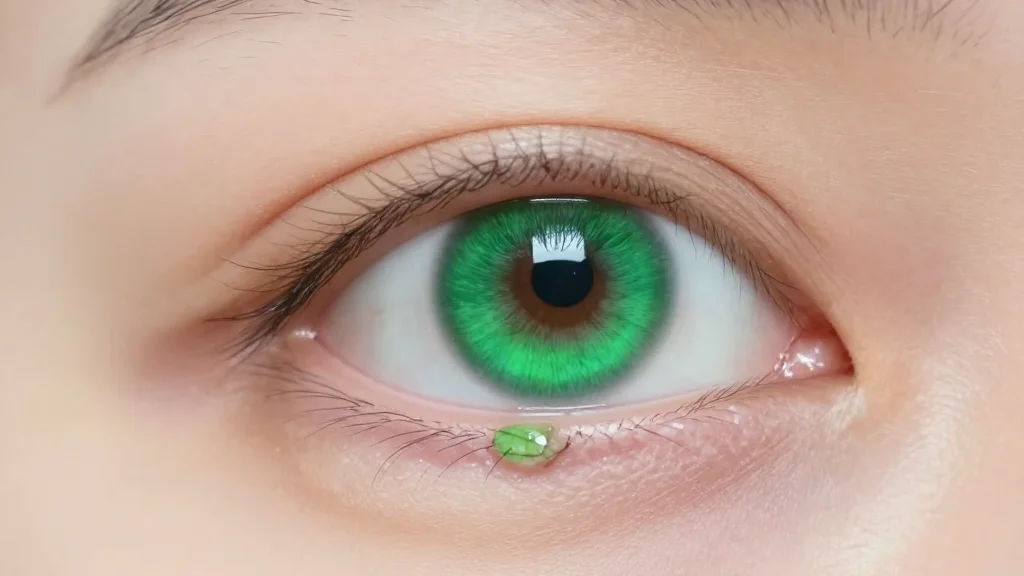
Making Eyes ‘Photosynthetic’ Could Treat Common Vision Problem
Why It Matters
Dry eye affects millions and lacks curative options; LEAF offers a biologically innovative, potentially fast‑acting therapy that could reduce reliance on symptomatic drops. Success could open a new class of bio‑engineered treatments that harness photosynthesis for human health.
Key Takeaways
- •Researchers engineered thylakoid particles (LEAF) to boost NADPH in eye cells
- •LEFA eye drops restored tear production and corneal thickness in dry‑eye mice
- •Light‑activated thylakoids reduce inflammation genes and increase antioxidant defenses
- •Approach leverages plant photosynthesis components for mammalian therapeutic use
- •Clinical trials are planned, but long‑term safety remains unknown
Pulse Analysis
The concept of borrowing photosynthetic components for medicine is not brand new, but the Singapore team’s use of intact thylakoid disks represents a leap in fidelity. Earlier studies injected fragmented chloroplast fragments or synthetic particles into joints to curb arthritis, yet those efforts struggled with stability and limited functional output. By isolating whole thylakoids from spinach and encapsulating them in biocompatible carriers, the researchers preserved the natural architecture that efficiently captures light and drives the production of high‑energy molecules such as ATP and NADPH. This bio‑nanotechnological platform, dubbed LEAF, capitalizes on the eye’s natural exposure to light, turning a routine physiological condition into a therapeutic advantage.
In pre‑clinical models, LEAF eye drops delivered to mice with chemically induced dry eye produced a striking physiological rebound. Corneal thickness, which had thinned by roughly 30 % in untreated eyes, recovered to near‑normal levels, and tear volume increased, indicating restored ocular surface health. Molecular analyses revealed that LEAF‑treated cells down‑regulated pro‑inflammatory genes while up‑regulating antioxidant pathways, suggesting that the boost in NADPH and ATP not only fuels cellular repair but also mitigates oxidative stress—a key driver of dry‑eye pathology. The rapid response observed within days underscores the potential for a treatment that works on‑demand, simply by exposing the eye to ambient light.
If human trials confirm safety and efficacy, LEAF could reshape the dry‑eye market, which currently relies on artificial tears, anti‑inflammatories, and punctal plugs. A biologically active drop that restores the eye’s own energy balance would appeal to both patients and clinicians seeking disease‑modifying options. Moreover, the platform may be adaptable to other light‑accessible tissues, opening avenues for treating retinal degeneration or skin inflammation. Challenges remain, including ensuring long‑term thylakoid stability in the ocular environment and preventing immune reactions, but the study sets a precedent for cross‑kingdom therapeutics that blend plant biology with human medicine.
Making eyes ‘photosynthetic’ could treat common vision problem
Comments
Want to join the conversation?
Loading comments...