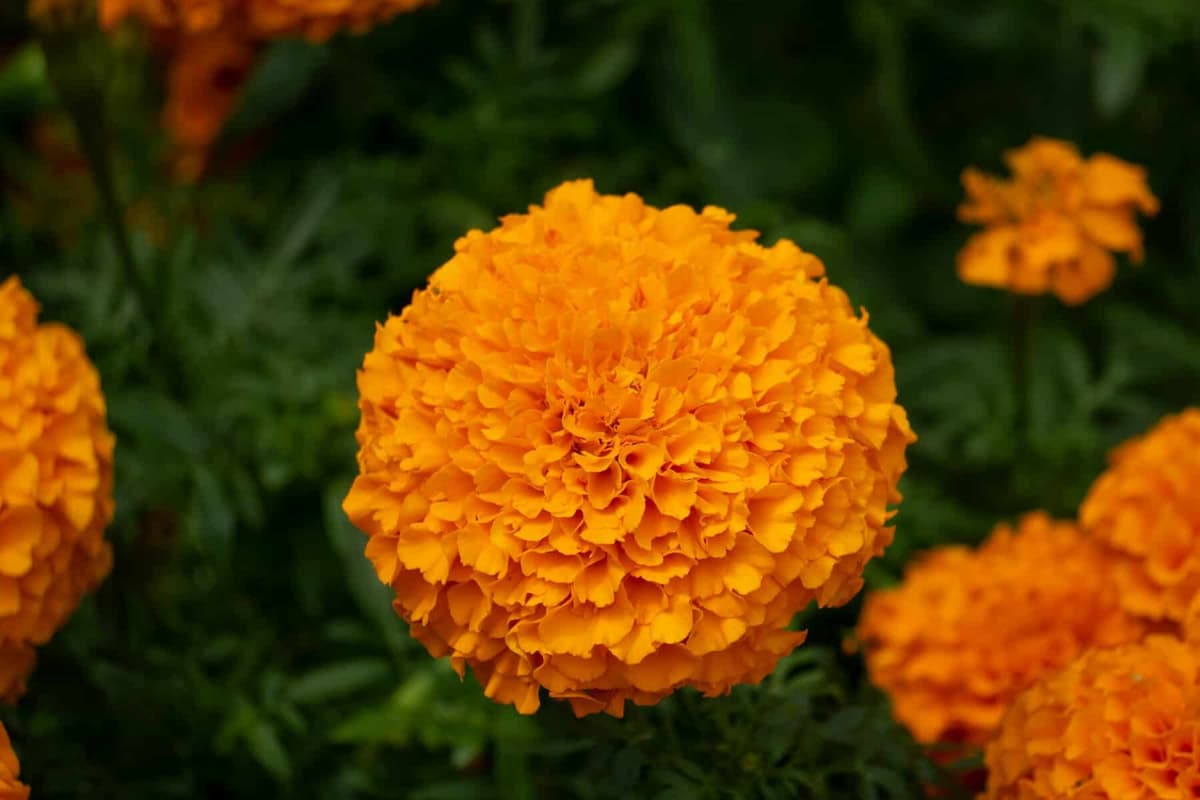
Marigold Flowers Could Become a Viable Protein Ingredient, New Study Finds
Why It Matters
Marigold protein offers a low‑waste, GRAS‑approved feedstock that can diversify the alternative‑protein market and reduce reliance on soy and pea isolates.
Key Takeaways
- •Marigold protein extraction recovers over 92% of available protein.
- •Albumin fraction matches pea protein in water, oil, and emulsification.
- •Strong antioxidant and thermal stability suit baked and extruded foods.
- •40% of Indian marigold harvest currently discarded as waste.
- •FDA GRAS status eases regulatory path for food applications.
Pulse Analysis
The alternative‑protein sector is racing to broaden its ingredient base beyond soy and pea, driven by consumer demand for sustainable, allergen‑friendly options. Waste streams such as spent grains, brewery by‑products, and now floral residues are gaining attention as low‑cost, high‑volume protein sources. Marigold flowers, cultivated globally for ornamental and pigment purposes, generate substantial waste—especially in India where up to 40% of the crop is discarded. Converting this biomass into a functional protein aligns with circular‑economy goals and could unlock new revenue for growers.
Technical analysis of the extracted marigold proteins reveals a dominant albumin fraction that rivals pea protein in key functional metrics. It holds water and oil effectively, stabilizes emulsions, and provides antioxidant activity—attributes prized in plant‑based dressings, soups, sauces, and fortified baked goods. Moreover, its thermal resilience means it can survive high‑heat processes like extrusion and baking without denaturing, a common hurdle for many plant proteins. These properties suggest marigold protein could serve as a multifunctional ingredient, reducing the need for multiple additives.
From a market perspective, the protein benefits from existing FDA GRAS status, smoothing the regulatory pathway for food manufacturers. Scaling production will hinge on developing cost‑effective extraction methods and securing supply chains that capture floral waste at source. If industry pilots confirm performance at scale, marigold protein could attract investment from food‑tech firms seeking novel, eco‑friendly inputs, further diversifying the plant‑based protein portfolio and contributing to waste reduction goals.
Marigold Flowers Could Become a Viable Protein Ingredient, New Study Finds
Comments
Want to join the conversation?
Loading comments...