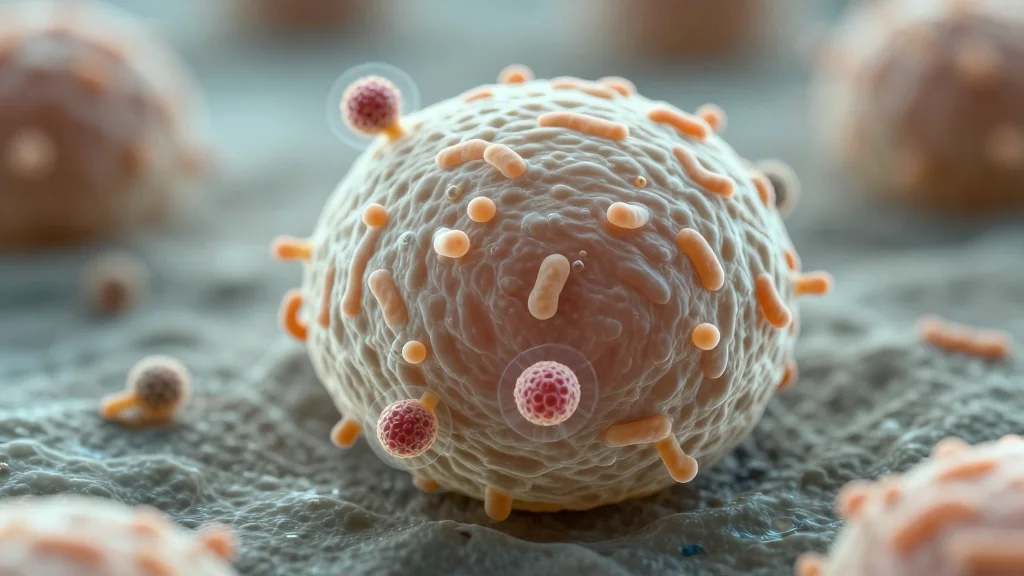
Molecular Anchors on Gut Phages Could Open New Therapeutic Avenues
Why It Matters
Understanding phage‑human cell interactions could turn phages into precise delivery vehicles, expanding the therapeutic toolbox beyond traditional antibacterial applications.
Key Takeaways
- •Phage surface proteins act as molecular anchors for human cell attachment
- •Engineered phages with anchors show higher gut retention in mice
- •Anchors direct phages to Golgi and ER, avoiding degradative pathways
- •Adhesin genes are common in abundant gut phage families
- •Insight could enable targeted phage‑based drug delivery
Pulse Analysis
The human gut hosts not only trillions of bacteria but also a dense virome dominated by bacteriophages. Until now, phages were viewed solely as bacterial predators, with little attention to direct interactions with host tissues. The new study from the Institute of Biochemistry at HUN‑REN reveals that a subset of gut phages expresses modular surface proteins that function as molecular anchors, allowing them to bind epithelial cells and persist within the gastrointestinal tract. This discovery reshapes our understanding of the gut ecosystem, suggesting that viral components may actively influence mucosal homeostasis.
Using microscopy‑based image analysis, the researchers visualized engineered phages bearing the anchor proteins entering human intestinal cells and trafficking preferentially to the Golgi apparatus and endoplasmic reticulum. Unlike lysosomal routes that degrade cargo, these non‑degradative pathways preserve phage integrity, enabling prolonged intracellular residence. In mouse models, anchor‑decorated phages remained in the gut lumen significantly longer than unmodified counterparts, demonstrating that surface adhesins enhance both cellular uptake and mucosal retention. The ability to direct phages to specific organelles opens a novel route for intracellular delivery of therapeutic payloads.
These insights could transform phage therapy from a blunt antibacterial tool into a precision platform for drug delivery. By swapping or engineering adhesin modules, developers can program phages to home to diseased epithelium, tumors, or immune cells, potentially carrying CRISPR editors, enzymes, or small‑molecule cargos. The approach dovetails with growing interest in microbiome‑based medicines and may accelerate investment in synthetic virology startups. However, safety assessments must confirm that intracellular phage persistence does not trigger unintended immune responses before clinical translation.
Molecular anchors on gut phages could open new therapeutic avenues
Comments
Want to join the conversation?
Loading comments...