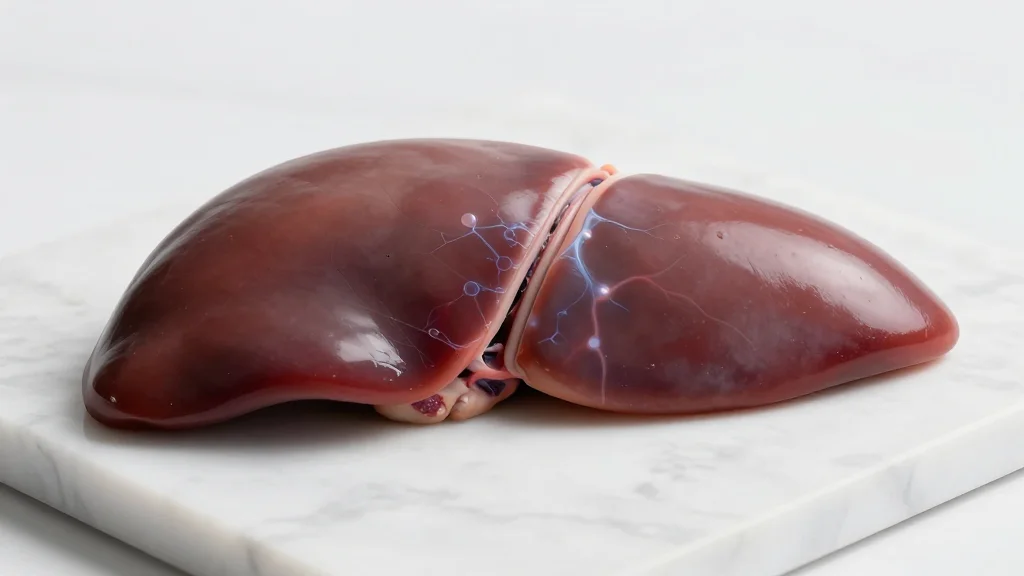
Molecular Pathways Behind Inflammation in Alcohol-Associated Liver Disease Mapped
Why It Matters
ALD accounts for nearly half of U.S. liver‑disease deaths, yet no approved drugs exist; targeting FOXM1, SRC, or UBC9 could fill this critical therapeutic gap. Successful translation could reduce transplant demand and improve survival for millions of patients with alcohol‑related liver injury.
Key Takeaways
- •FOXM1 drives fibrosis and inflammation in alcohol‑associated liver disease
- •Suppressing FOXM1 reversed scarring in preclinical models
- •SRC kinase phosphorylates UBC9, amplifying liver immune activation
- •Blocking SRC or UBC9 reduced inflammation in mouse studies
- •Targets could enable first‑in‑class therapies for ALD
Pulse Analysis
Alcohol‑associated liver disease remains a leading cause of liver‑related mortality in the United States, responsible for roughly 50% of liver‑disease deaths. Despite its prevalence, therapeutic options are limited to lifestyle interventions, and many patients cannot achieve sustained abstinence. The urgency for disease‑modifying treatments has driven researchers to dissect the molecular underpinnings of ALD, seeking druggable nodes that can interrupt the cascade from chronic alcohol exposure to irreversible fibrosis. Understanding these pathways is essential for investors, biotech firms, and clinicians aiming to address a high‑unmet‑need market.
The recent Cedars‑Sinai study published in Hepatology highlights FOXM1 as a master regulator of a pro‑fibrotic and pro‑inflammatory gene network in ALD. By analyzing human liver biopsies and murine models, the team demonstrated that FOXM1 activation correlates with disease severity, and that CRISPR‑mediated knockdown or pharmacologic inhibition restores normal tissue architecture. This positions FOXM1 not only as a biomarker of disease progression but also as a viable therapeutic target, potentially enabling small‑molecule or antisense approaches that could halt or reverse scarring before transplantation becomes necessary.
Complementing the FOXM1 findings, a Science Advances paper uncovers a parallel axis involving SRC kinase and the SUMO‑conjugating enzyme UBC9. Alcohol triggers SRC‑mediated phosphorylation of UBC9, which in turn fuels an exaggerated immune response and metabolic dysregulation. Inhibiting SRC or disrupting the SRC‑UBC9 interaction markedly reduced inflammatory cytokine production in mouse livers, suggesting a tractable target for drug development. Beyond ALD, the SRC‑UBC9 axis may intersect with oncogenic and autoimmune pathways, expanding its relevance across multiple disease domains. Together, these discoveries lay a foundation for the next generation of ALD therapeutics, offering hope for patients and a strategic opportunity for the pharmaceutical pipeline.
Molecular pathways behind inflammation in alcohol-associated liver disease mapped
Comments
Want to join the conversation?
Loading comments...